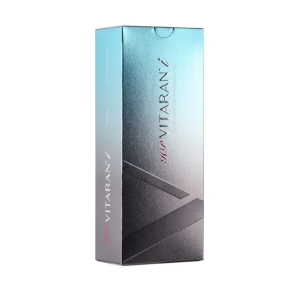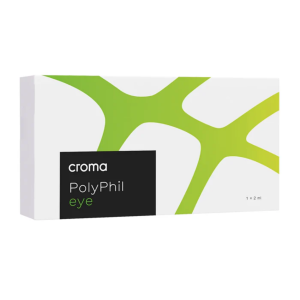

The minimum order quantity for bulk cosmetics wholesale is typically set to ensure that both suppliers and buyers benefit from economies of scale, making transactions efficient and cost-effective. For wholesale transactions, the minimum order quantity often varies depending on the product type, market demand, and supplier policies. It’s essential for buyers to understand these requirements to optimise their purchasing strategies and meet their business needs effectively.
Understanding Minimum Order Quantities
Minimum order quantities (MOQs) are a crucial aspect of wholesale transactions, particularly in the cosmetics industry. MOQs are established to maintain a balance between supply and demand, ensuring that production and distribution are cost-efficient. For suppliers, setting an MOQ allows for better inventory management and reduced production costs. For buyers, understanding MOQs is vital to plan inventory purchases and budget allocations effectively. By aligning purchase orders with MOQs, buyers can leverage better pricing and secure a more stable supply chain.
Factors Influencing MOQs in Cosmetics
The cosmetics industry is highly competitive, and MOQs can be influenced by several factors, including product type, brand reputation, and market trends. For instance, new or niche products may have lower MOQs to encourage market entry and consumer testing. In contrast, popular or high-demand products might have higher MOQs due to their established market presence. Additionally, seasonal trends and promotional campaigns can also impact MOQs, as suppliers adjust to meet varying consumer demands throughout the year.
Strategic Purchasing for Aesthetic Practices
For aesthetic practices and clinics, understanding the dynamics of MOQs can significantly enhance operational efficiency and profitability. By strategically planning purchases to meet MOQs, clinics can maximise their inventory levels without overstocking, thus reducing storage costs and minimising waste. Furthermore, bulk purchasing under MOQs can lead to cost savings, allowing clinics to allocate resources to other critical areas such as staff training, marketing, or expanding service offerings. This strategic approach not only optimises financial performance but also ensures a continuous supply of essential products for client treatments.
Building Strong Supplier Relationships
Establishing strong relationships with suppliers is key to navigating MOQs effectively. Open communication with suppliers can provide insights into upcoming product launches, changes in MOQs, or potential discounts for loyal customers. By fostering these relationships, buyers can negotiate more favourable terms, such as lower MOQs or extended payment options, thereby enhancing their purchasing power. Additionally, understanding supplier MOQs and aligning them with business goals can lead to long-term partnerships that benefit both parties, ensuring a steady supply of high-quality products for aesthetic practices.

Understanding the minimum order quantity for wholesale cosmetics is essential for aesthetic practitioners looking to optimise their purchasing strategies. By aligning their orders with MOQs, practitioners can benefit from cost savings and efficient inventory management. This strategic approach ensures that clinics have the necessary products on hand to meet client needs without overextending their budgets.
The factors influencing MOQs, such as product type, market demand, and supplier policies, are crucial considerations for buyers. By staying informed about these elements, aesthetic practitioners can make informed decisions about their inventory purchases. This knowledge enables them to adapt to market changes and maintain a competitive edge in the cosmetics industry.
Building strong relationships with suppliers is another valuable strategy for managing MOQs effectively. By maintaining open communication and negotiating favourable terms, practitioners can secure a reliable supply of quality products. This approach not only enhances purchasing power but also fosters long-term partnerships that support the growth and success of aesthetic practices.