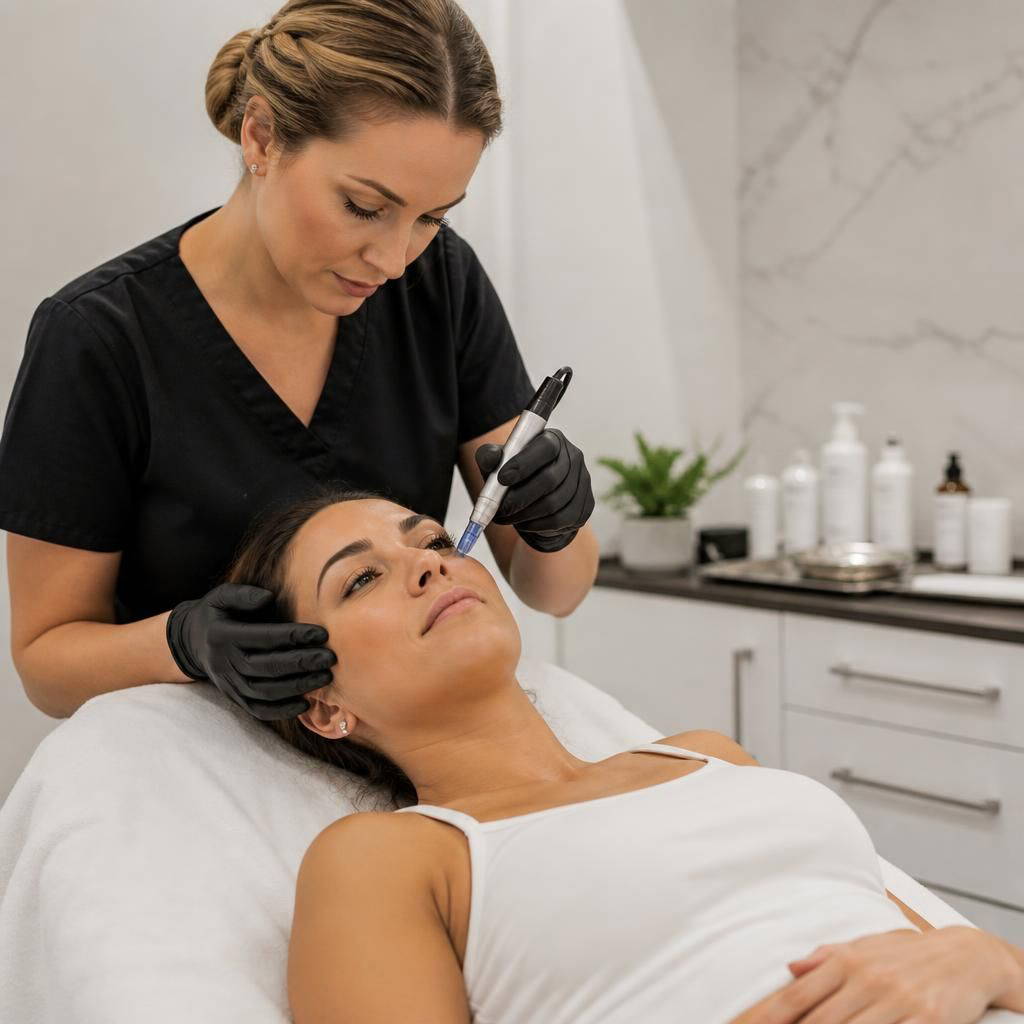

Microneedling is a versatile treatment that can significantly improve the appearance of both the face and the body. However, the effectiveness of microneedling can vary depending on the area being treated. Generally, microneedling is more commonly associated with facial treatments due to the skin’s unique characteristics and concerns, such as fine lines, acne scars, and hyperpigmentation. On the body, microneedling is often used to address issues like stretch marks, cellulite, and skin laxity, which can respond differently to treatment.
Understanding Microneedling
Microneedling involves the use of a device equipped with fine needles that create micro-injuries in the skin. This process stimulates the body’s natural healing response, promoting collagen and elastin production. This is beneficial for both facial and body treatments, but the skin’s thickness and the type of concerns being treated can influence outcomes. For instance, facial skin is generally thinner and more delicate, allowing for quicker and often more noticeable improvements in texture and tone.
Facial Microneedling Benefits
Facial microneedling is particularly effective in reducing the appearance of fine lines, wrinkles, and acne scars. The increased collagen production helps to plump the skin, reducing signs of aging and improving overall skin texture. Additionally, microneedling can enhance the absorption of skincare products, maximizing their efficacy. The results on the face are often more immediate, as the thin skin allows for deeper penetration and faster cellular turnover.
Body Microneedling Applications
On the body, microneedling is often employed to treat stretch marks, cellulite, and areas of skin laxity. While the process is similar to facial microneedling, the results can take longer to become apparent due to the thicker skin in areas like the thighs, abdomen, and arms. However, with consistent treatment, microneedling can effectively improve the texture and firmness of body skin, offering a non-invasive solution for various cosmetic concerns. The key to successful outcomes is tailoring the treatment to the specific needs and conditions of the body area being targeted.
Microneedling’s effectiveness on the body compared to the face depends on the specific skin issues being addressed and the skin’s characteristics in each area. Facial treatments often yield quicker results due to the skin’s thinness and the prevalence of concerns like fine lines and acne scars, which respond well to the treatment.
On the body, the thicker skin and different concerns, such as stretch marks and cellulite, may require more sessions to achieve visible results. However, the body can still benefit significantly from microneedling, particularly in improving skin texture and firmness over time.
Ultimately, the success of microneedling on both the face and body hinges on a tailored approach that considers the unique needs of each area. By adjusting needle depth, session frequency, and complementary treatments, practitioners can effectively enhance the skin’s appearance, whether on the face or body.