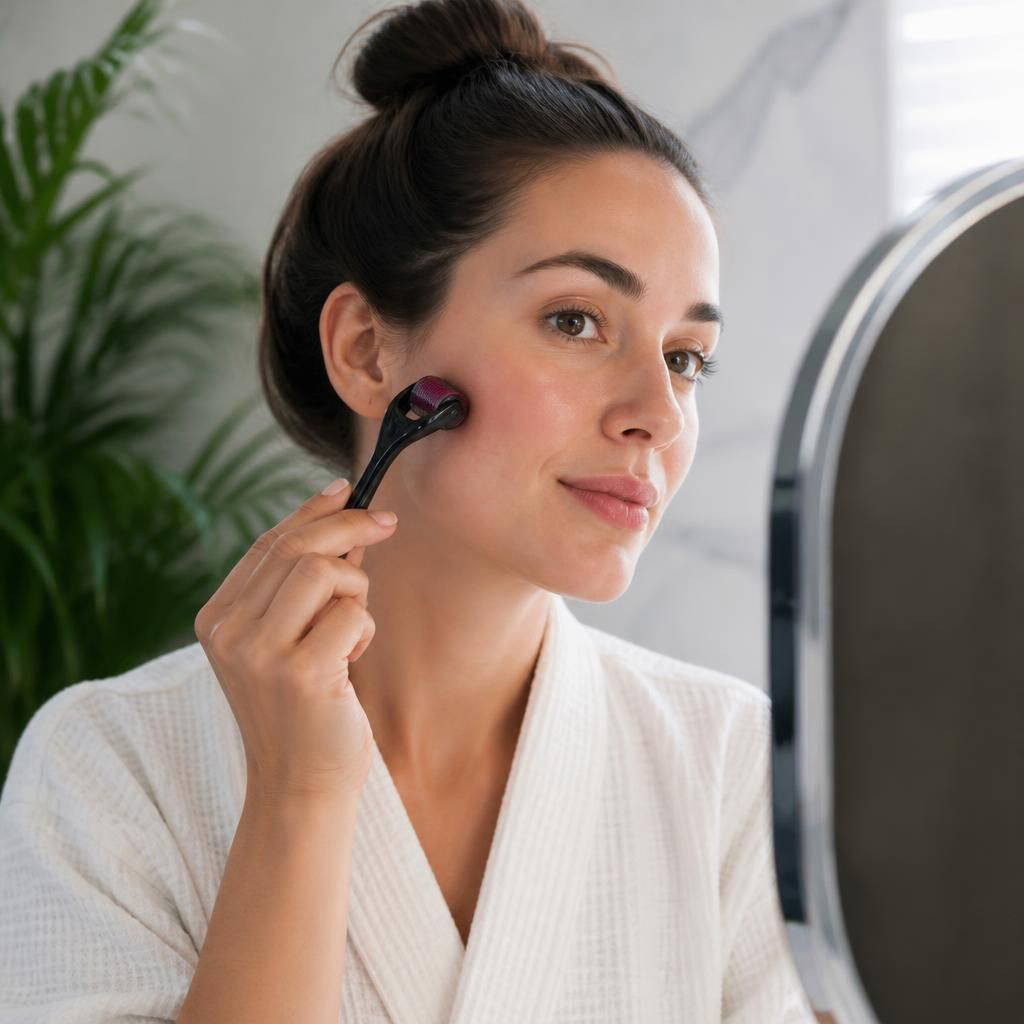

Yes, you can use a dermaroller at home, but it is important to understand the potential risks and benefits before doing so. Dermarolling, also known as microneedling, involves using a device equipped with tiny needles to create micro-injuries on the skin’s surface. This process can stimulate collagen production and enhance skin texture. However, improper use can lead to skin damage, infection, or other adverse effects. Therefore, it is crucial to be well-informed and cautious if you choose to perform dermarolling yourself.
Understanding Dermarolling
Dermarolling is a popular skincare technique designed to improve the appearance of fine lines, wrinkles, and scars by promoting the skin’s natural healing process. The procedure involves rolling a device with numerous fine needles across the skin, creating controlled micro-injuries. This process encourages the production of collagen and elastin, essential proteins that contribute to skin elasticity and firmness. Home dermarollers typically have shorter needles, which are suitable for superficial treatments, whereas professionals may use longer needles for deeper penetration and more significant results.
Benefits of Home Dermarolling
Home dermarolling offers several advantages, primarily convenience and cost-effectiveness. It allows individuals to carry out treatments in the comfort of their own homes, saving time and potentially reducing expenses compared to professional sessions. Additionally, regular home dermarolling can be beneficial for maintaining skin texture and promoting product absorption. When performed correctly, it can be a valuable addition to a skincare routine, providing noticeable improvements in skin quality over time. However, it is crucial to follow safety guidelines and use appropriate products to minimise risks.
Professional Dermarolling Considerations
While home dermarolling is accessible, professional treatment may be necessary for certain individuals or skin conditions. Professionals have access to advanced equipment and possess the expertise required to tailor treatments to specific needs. They can safely use longer needles for more intensive treatments, which may be necessary for addressing deeper scars or more pronounced signs of ageing. Additionally, professionals can provide guidance on pre- and post-treatment care, ensuring optimal results and minimising potential complications. Consulting with a dermatologist or skincare specialist can help determine the best approach for your individual skin concerns.
Home dermarolling can be an effective method for improving skin texture and promoting collagen production. However, it is essential to be aware of the potential risks involved. Proper sterilisation of the dermaroller, as well as maintaining a clean environment during the procedure, is crucial to prevent infections. Additionally, using the correct needle length and applying gentle pressure can help minimise the risk of skin damage.
For those who prefer a more controlled and potentially safer environment, seeking professional dermarolling treatments can be beneficial. Professionals have the expertise and equipment to tailor treatments to individual needs, ensuring optimal results. They can also provide valuable insights into pre- and post-treatment care, helping to enhance the overall effectiveness of the procedure.
Ultimately, the decision between home and professional dermarolling should be based on individual preferences, skin type, and specific concerns. Consulting with a skincare specialist can provide further guidance and help determine the most suitable approach for achieving desired results.