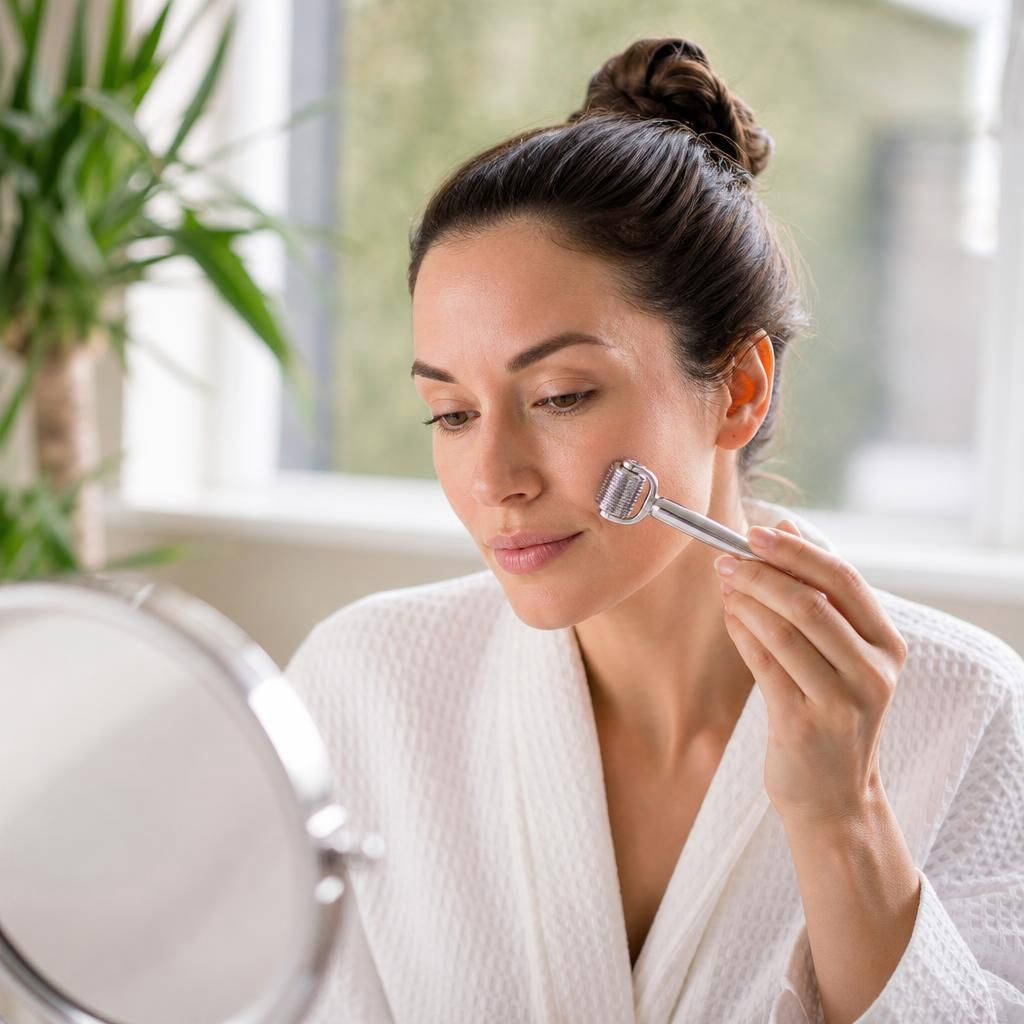

Dermastamp microneedling products can be safe for at-home use when utilised correctly and with appropriate caution. These tools offer a convenient way to enhance skincare routines, promoting collagen production and improving skin texture. However, their safety largely depends on the user’s expertise, adherence to guidelines, and the quality of the device used. Understanding the potential risks and proper techniques is essential for safe and effective outcomes.
Understanding Dermastamp Microneedling
Dermastamp microneedling involves using a handheld device with fine needles to create controlled micro-injuries on the skin’s surface. This process stimulates collagen production, enhances absorption of skincare products, and can improve the appearance of scars, wrinkles, and uneven texture. While professional treatments are conducted by trained practitioners, at-home dermastamps are designed to be user-friendly, allowing individuals to perform the procedure in the comfort of their own homes.
Potential Risks and Precautions
Though dermastamp microneedling is generally safe, it is not without potential risks. Improper use can lead to skin irritation, infection, or damage, especially if the device is not sterilised correctly or used on compromised skin. It is crucial to follow all instructions provided with the device, including sterilising the needles before and after use, avoiding use on active acne or inflamed skin, and not applying excessive pressure during the procedure. Consulting a dermatologist beforehand can further mitigate risks.
Choosing the Right Device
The market offers a wide range of dermastamp devices, varying in needle length and quality. It is essential to choose a reputable brand that ensures high-quality materials and construction. Devices with longer needles should be reserved for professional use, as they pose a higher risk of injury. For at-home use, devices with shorter needles are recommended, as they are safer and sufficient for general skincare improvements.
At-home dermastamp microneedling can be a beneficial addition to one’s skincare routine when performed correctly. It offers the convenience of professional-level treatment without the need for clinic visits. However, its efficacy and safety are contingent upon the user’s knowledge and adherence to recommended practices.
Users must prioritise hygiene by ensuring the device is thoroughly sterilised before each use. Educating oneself about the proper technique and being aware of skin conditions that contraindicate microneedling is also vital. This knowledge will help minimise potential adverse effects and enhance the overall benefits.
Ultimately, while dermastamp microneedling can be performed safely at home, it requires a commitment to following safety guidelines and selecting appropriate devices. Individuals unsure about the process or their skin’s suitability for microneedling should seek professional advice to ensure they achieve the desired results without compromising skin health.