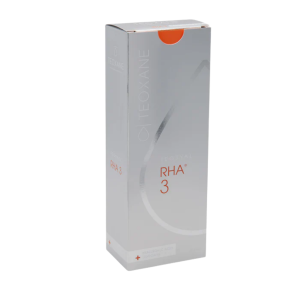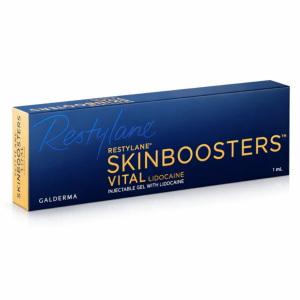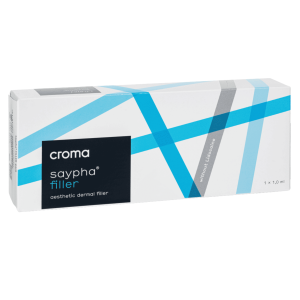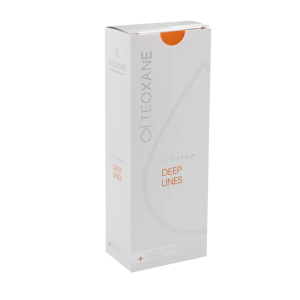

Nasolabial fold fillers are a popular non-surgical procedure used to reduce the appearance of lines running from the sides of the nose to the corners of the mouth. While generally safe, they can carry potential side effects and risks. Common side effects include swelling, redness, and bruising at the injection site, which are usually temporary. However, more serious complications, although rare, can occur.
Common Side Effects
Immediately following the procedure, patients may experience mild swelling, redness, and bruising. These are common side effects attributed to the injection process itself and typically resolve within a week. Some individuals may also experience tenderness or itching in the treated area. These reactions are generally considered normal and should not cause alarm, although a practitioner should be consulted if they persist or worsen.
Potential Risks
Beyond the common side effects, there are potential risks associated with nasolabial fold fillers. Infection at the injection site, although uncommon, is a possibility and should be treated promptly by a healthcare professional. There is also a risk of lumps or nodules forming under the skin, which might require additional treatment to resolve. In rare cases, improper injection technique can lead to vascular complications, including tissue necrosis or vision impairment, necessitating immediate medical attention.
Considerations for Safe Treatment
Choosing a qualified and experienced practitioner is crucial in minimising the risks associated with nasolabial fold fillers. A thorough consultation should be conducted before the procedure, assessing the patient’s medical history and discussing potential side effects. Understanding the type of filler being used and its specific properties can also help in managing expectations and ensuring a safer treatment experience. Patients should follow post-treatment care instructions meticulously to optimise results and reduce the likelihood of complications.

Nasolabial fold fillers, while effective, come with potential side effects that patients should be aware of. Swelling and bruising are the most common, generally resolving within a few days. It is important to monitor the treated area and consult a practitioner if any side effects persist.
More serious risks, though rare, include infection, which requires prompt medical attention. Additionally, improper injection techniques can lead to complications such as vascular occlusion. These risks underscore the importance of choosing a skilled practitioner.
To ensure a safe outcome, patients should engage in a comprehensive consultation with their healthcare provider. Discussing medical history, understanding the treatment process, and following post-procedure guidelines are essential steps in minimising risks and achieving the desired results from nasolabial fold fillers.