
Forehead line fillers, commonly known as glabella fillers, are generally considered safe for all skin types when administered by trained professionals. These fillers are designed to smooth out the lines between the eyebrows, offering a more youthful appearance. However, individual skin characteristics and health conditions can influence the outcome and safety of the procedure. Therefore, it is essential for practitioners to evaluate each patient’s skin type and medical history before proceeding with treatment.
Understanding Skin Types
Human skin can be classified into several types, including normal, oily, dry, combination, and sensitive. Each type reacts differently to external treatments, including dermal fillers. While fillers are formulated to be compatible with a wide range of skin types, certain conditions such as eczema, rosacea, or severe acne could potentially affect the safety and efficacy of the filler treatment. Therefore, a thorough skin assessment by a qualified practitioner is crucial to identify any potential contraindications that may arise due to the patient’s unique skin characteristics.
Safety Measures and Practices
The safe administration of glabella fillers requires adherence to stringent safety protocols. Practitioners must ensure that they use high-quality products from reputable suppliers and maintain a sterile environment during the procedure to prevent infections. Additionally, it is vital to discuss potential side effects with patients, such as swelling, bruising, or allergic reactions, and establish a comprehensive post-treatment care plan to support optimal healing and results. Regular training and staying informed about the latest advancements in aesthetic treatments also contribute to the safety and success of the procedure.
Consultation and Personalisation
A personalised consultation is a key step in ensuring the safe use of forehead line fillers for all skin types. Practitioners should evaluate the patient’s medical history, current medications, and any previous experiences with aesthetic treatments. This tailored approach enables practitioners to recommend the most suitable type and amount of filler, ensuring that the treatment aligns with the patient’s aesthetic goals while minimising risks. Patient education is also important, empowering individuals to make informed decisions about their aesthetic treatments.
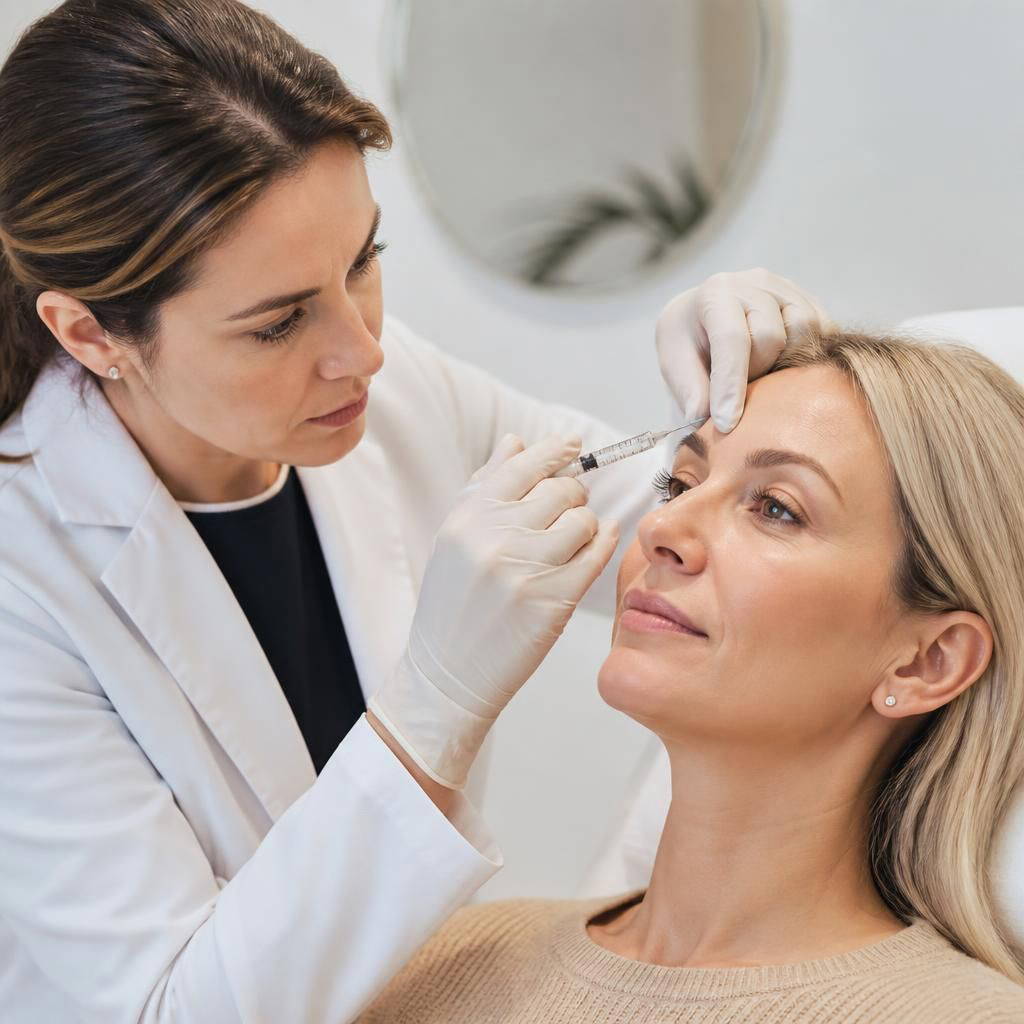
While forehead line fillers are safe for most individuals, personalisation of treatment is vital. Each patient’s skin type and unique characteristics must be taken into account to ensure the best outcomes. Practitioners should conduct thorough consultations to assess medical history and any potential risk factors.
Professional expertise and the use of high-quality products are crucial in maintaining safety standards. By adhering to strict protocols, practitioners can minimise the risk of adverse reactions and enhance patient satisfaction. Continuous education and training in aesthetic procedures also play a significant role in ensuring safe practices.
Ultimately, the safety of glabella fillers is largely dependent on individual assessment and professional administration. Patients should be encouraged to discuss any concerns with their practitioner, ensuring they fully understand the procedure and post-treatment care. This approach helps in achieving desired results while prioritising patient safety and comfort.