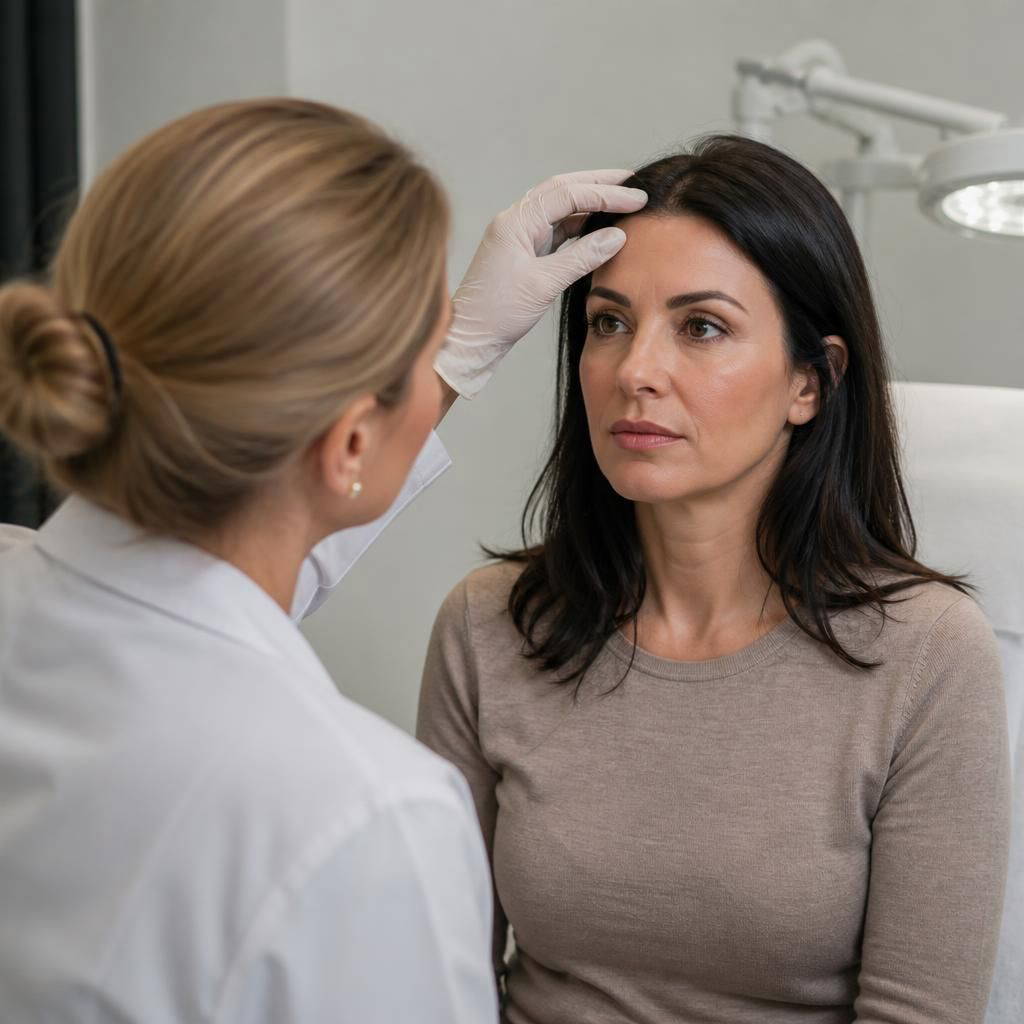

Dermal fillers are a popular choice for forehead treatments due to their ability to enhance facial aesthetics by smoothing wrinkles and restoring lost volume. However, like any cosmetic procedure, they come with potential risks and side effects. It is essential for practitioners and clients to understand these risks to ensure informed decisions and safe practices.
Understanding the Risks
The primary risks associated with dermal fillers for forehead treatments include infection, bruising, and swelling at the injection site. While these are generally temporary and resolve on their own, they can cause discomfort and dissatisfaction. In rarer cases, more severe complications such as vascular occlusion can occur if the filler is inadvertently injected into a blood vessel, leading to tissue damage or even blindness if not promptly addressed. Therefore, it is crucial to choose a qualified and experienced practitioner to minimise these risks.
Potential Side Effects
Common side effects of dermal fillers in the forehead include redness, tenderness, and slight pain at the injection site. These effects are typically mild and resolve within a few days. Some individuals may also experience asymmetry or lumps under the skin, which can often be corrected with massage or, in some cases, additional treatment. Allergic reactions are rare but can occur, leading to more severe symptoms that require medical attention.
Ensuring Safe Practices
To mitigate risks, it is vital to follow safe practices when using dermal fillers for forehead treatments. This includes a thorough consultation with clients to discuss their medical history, expectations, and potential risks. Practitioners should use high-quality products and adhere to strict hygiene standards to prevent infections. It is also important to provide clients with clear aftercare instructions and to encourage them to report any unusual symptoms immediately.
When considering dermal fillers for forehead treatments, understanding the potential risks and side effects is crucial. While complications are relatively rare, they can occur, and being informed helps in making safe choices. The most common side effects, such as bruising and swelling, are usually temporary but can cause discomfort.
Severe complications, although uncommon, can arise from improper technique or product misuse. Vascular occlusion is one of the more serious risks, highlighting the importance of choosing a qualified practitioner. Proper training and experience significantly reduce the likelihood of adverse outcomes.
Ultimately, ensuring safe practices is key to minimising risks associated with dermal fillers. Clients should engage in open discussions with their practitioners about the procedure, potential side effects, and post-treatment care. By doing so, they can make informed decisions and achieve the desired aesthetic results safely.