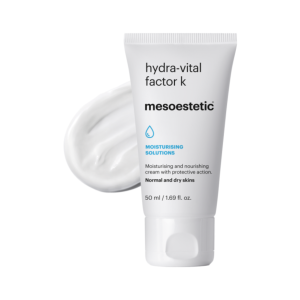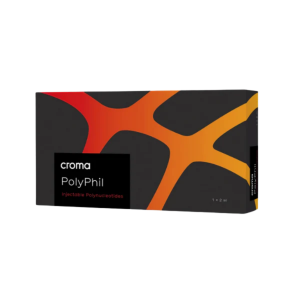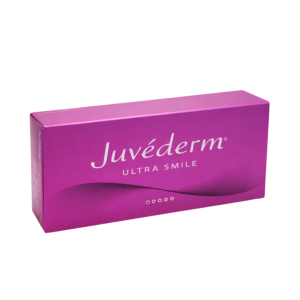

When selecting a forehead filler for your clinic, it is essential to consider factors such as the filler’s composition, longevity, safety profile, and patient-specific needs. These considerations ensure that the treatments you offer are effective, safe, and tailored to your patients’ expectations.
Understanding Filler Composition
The primary consideration when choosing a forehead filler is its composition. Different fillers have varied active ingredients, which can affect their performance and suitability for different patients. Hyaluronic acid-based fillers are popular due to their natural occurrence in the body and ability to provide immediate results. However, other compositions, such as calcium hydroxylapatite, might be more suitable for patients needing longer-lasting results or specific volumising effects. Understanding the unique properties of each filler type will aid in selecting the most appropriate option for your clinic.
Evaluating Longevity and Effectiveness
Longevity is another critical factor in selecting a forehead filler. Patients often prefer treatments that offer lasting results with minimal maintenance. Some fillers may last between six to twelve months, while others can extend beyond a year. Consideration of how long a filler lasts can help in managing patient expectations and planning follow-up treatments. Effectiveness is closely tied to longevity, as more durable fillers tend to maintain their effects longer, enhancing patient satisfaction.
Safety and Patient-Specific Needs
Safety is paramount when administering any aesthetic treatment. It is crucial to review the safety profile of each filler, considering factors such as potential side effects, contraindications, and any necessary post-treatment care. Additionally, each patient’s unique needs and medical history should guide the selection process. For instance, some patients may have allergies or specific health conditions that affect which fillers are appropriate. Tailoring treatments to these individual needs not only ensures safety but also optimizes treatment outcomes.
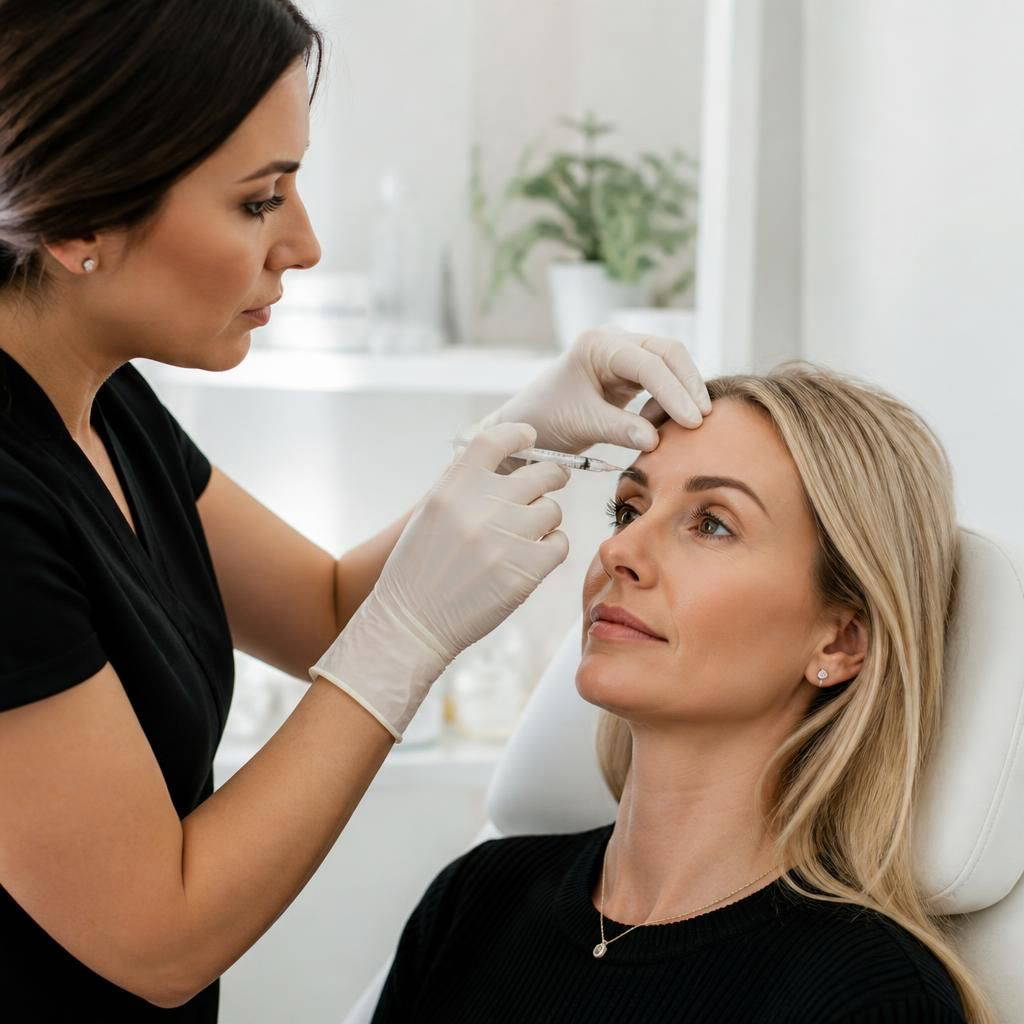
To make an informed decision, it is vital to stay updated with the latest advancements in dermal filler technology. This includes understanding new formulations and their respective benefits or limitations. Keeping abreast of these developments ensures that your clinic remains competitive and offers state-of-the-art treatments.
Moreover, consider the supplier’s reputation and the support they provide. Reliable suppliers offer comprehensive training and support, ensuring that you are well-equipped to administer treatments safely and effectively. This support can also include resources for patient education and post-treatment care, which are invaluable for maintaining high standards in your practice.
Finally, assess the cost-effectiveness of the fillers you choose. While quality should never be compromised, understanding the cost implications and potential return on investment is crucial for the sustainability of your clinic. Balancing quality and cost ensures that you provide excellent care while maintaining profitability.