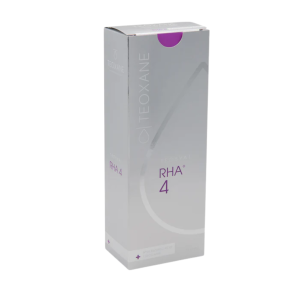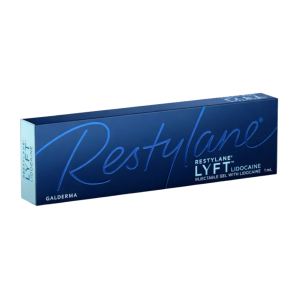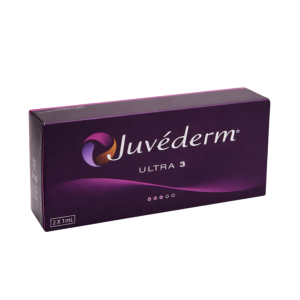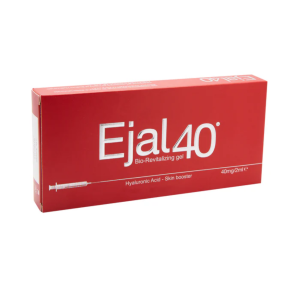

Choosing the right dermal filler for treating nasal lines and folds involves evaluating several key factors such as the specific area of concern, the desired outcome, and the characteristics of the dermal filler itself. Different fillers have varying properties, including viscosity, longevity, and composition, which can influence their suitability for specific treatments. Understanding these differences is crucial for achieving optimal results and patient satisfaction.
Understanding Nasal Lines and Folds
Nasal lines and folds, often referred to as nasolabial folds, are the deep lines that run from the sides of the nose to the corners of the mouth. These lines become more prominent with age due to the natural loss of collagen and elasticity in the skin. When selecting a dermal filler for these areas, it is essential to consider the depth of the folds and the elasticity of the patient’s skin. A filler with the appropriate viscosity can provide the necessary volume and lift to smooth out these lines effectively.
Types of Dermal Fillers
There are several types of dermal fillers available, each with its unique properties. Hyaluronic acid fillers are popular due to their biocompatibility and reversibility, making them a safe choice for many patients. Calcium hydroxylapatite fillers offer longer-lasting results and are suitable for deeper folds. Polylactic acid fillers stimulate collagen production and are ideal for gradual improvements over time. Selecting the right filler depends on the specific needs of the patient and the desired outcome of the treatment.
Consultation and Customisation
A thorough consultation is essential to determine the most appropriate dermal filler for treating nasal lines and folds. During this consultation, practitioners should assess the patient’s skin type, the severity of the lines, and any previous treatments. Customising the treatment plan to suit individual patient needs is crucial for achieving the best results. By understanding the benefits and limitations of each type of filler, practitioners can make informed decisions and enhance the efficacy of their clinic’s offerings.

When choosing a dermal filler for nasal lines and folds, it is important to consider the patient’s specific needs and preferences. Factors such as skin type, the depth of the lines, and any previous treatments should be taken into account. This ensures that the chosen filler provides the desired results while maintaining a natural appearance.
Another crucial aspect to consider is the longevity of the filler. Different fillers have varying durations of effect, ranging from several months to over a year. Selecting a filler with an appropriate duration can enhance patient satisfaction and reduce the frequency of follow-up treatments.
Finally, understanding the potential side effects and risks associated with each dermal filler is essential. By being informed about these factors, practitioners can better educate their patients and ensure a safe and effective treatment process. This knowledge contributes to building trust and confidence in the clinic’s services.