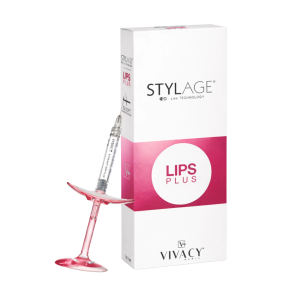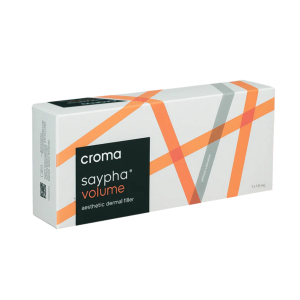

Restylane, Juvederm, and Radiesse are popular dermal fillers used to reduce the appearance of wrinkles and add volume to the face. Each filler has unique properties that make it suitable for different applications. Restylane and Juvederm are both hyaluronic acid-based fillers, while Radiesse is composed of calcium hydroxylapatite. The choice between these fillers largely depends on the desired outcome, the area of treatment, and patient-specific factors, including skin type and age.
Composition and Mechanism
Restylane and Juvederm, composed of hyaluronic acid, work by attracting and holding water at the site of injection, providing volume and smoothing out wrinkles. Hyaluronic acid is naturally found in the skin, making these fillers biocompatible and safe for most patients. Restylane is often used for fine lines and lip enhancement, while Juvederm is favoured for deeper wrinkles and areas requiring more volume. Radiesse, on the other hand, is made of calcium hydroxylapatite microspheres suspended in a gel. It not only provides immediate volume but also stimulates natural collagen production over time, making it ideal for deeper facial wrinkles and folds.
Longevity and Effectiveness
The longevity of results varies among these fillers. Restylane typically lasts between six to nine months, depending on the area treated and the individual’s metabolism. Juvederm’s effects can last from nine months to a year, with some variations depending on the specific product used. Radiesse offers longer-lasting results, often up to 12-18 months, due to its collagen-stimulating properties. Thus, if long-term results are a priority, Radiesse may be the preferred choice. However, the decision should also consider potential side effects and the specific aesthetic goals of the patient.
Safety and Side Effects
All three fillers are generally safe when administered by a qualified practitioner. Common side effects include swelling, redness, and bruising at the injection site, which typically resolve within a few days. Restylane and Juvederm, being hyaluronic acid-based, can be dissolved with hyaluronidase if needed, offering a safety net for corrections. Radiesse, while longer-lasting, is not reversible, which may be a consideration for some patients. The selection of a dermal filler should be guided by a thorough consultation with a practitioner who can assess the patient’s needs and advise on the most suitable option.

When comparing Restylane, Juvederm, and Radiesse, it’s essential to consider their composition and mechanism of action. Restylane and Juvederm are hyaluronic acid-based fillers, offering versatility and biocompatibility, making them suitable for a range of applications from fine lines to deeper wrinkles. Radiesse, composed of calcium hydroxylapatite, not only provides immediate volume but also stimulates collagen production, offering longer-lasting results.
Longevity is another key factor. Restylane typically lasts six to nine months, Juvederm up to a year, and Radiesse can last 12-18 months. The choice depends on how often a patient is willing to undergo treatment and the desired duration of results. Radiesse’s ability to stimulate collagen may be appealing for those seeking extended benefits.
Safety and reversibility are crucial considerations. Restylane and Juvederm can be dissolved if necessary, providing flexibility, whereas Radiesse is not reversible but offers longer-lasting effects. Ultimately, the decision should be made in consultation with a qualified practitioner who can tailor the treatment to the patient’s specific needs and aesthetic goals.