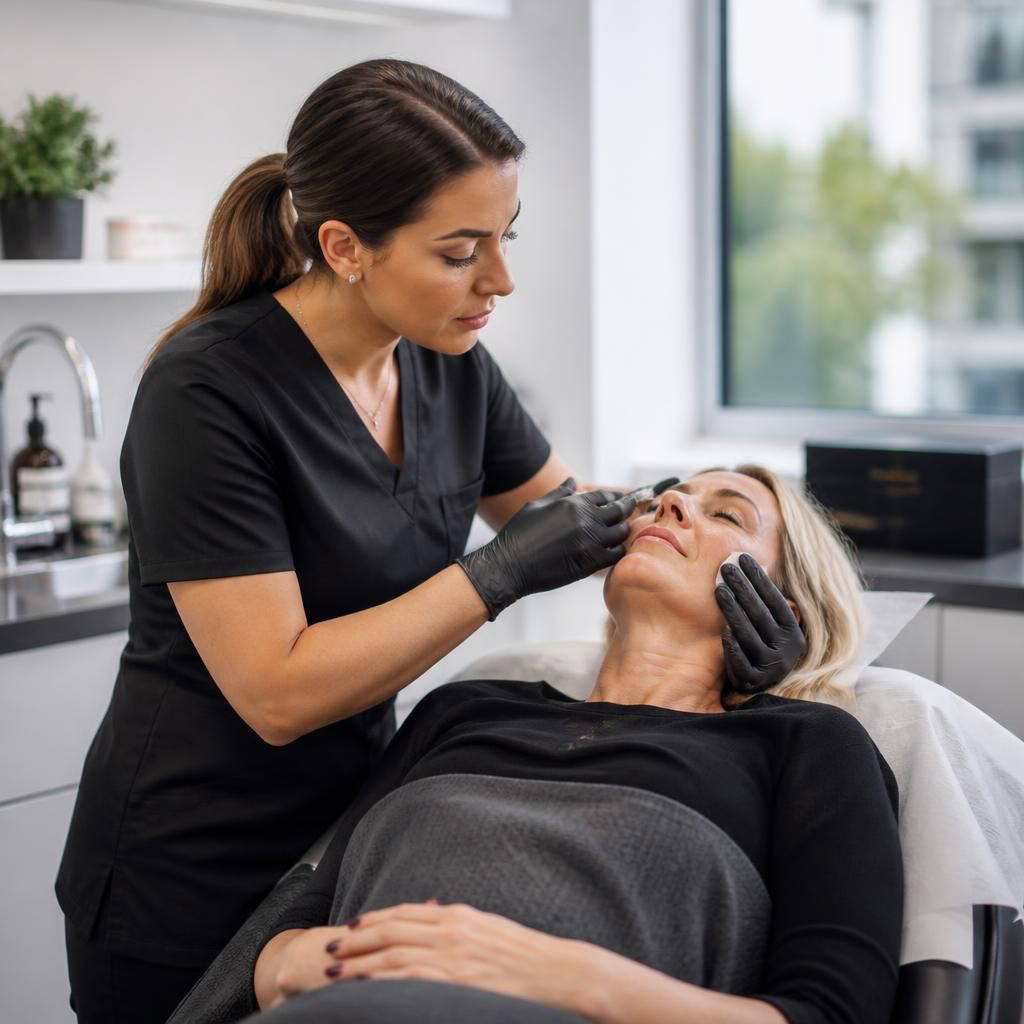

To administer Restylane dermal fillers in the UK, you need to be a qualified healthcare professional such as a doctor, dentist, or nurse with additional training in aesthetic procedures. This ensures that the treatment is performed safely and effectively, adhering to the highest standards of patient care.
Regulatory Requirements
In the UK, the administration of dermal fillers like Restylane is not tightly regulated, but it is strongly advised that only registered healthcare professionals carry out these procedures. This typically includes doctors, dentists, and registered nurses who have received specific training in non-surgical cosmetic treatments. The General Medical Council (GMC), Nursing and Midwifery Council (NMC), and General Dental Council (GDC) provide guidelines to ensure that practitioners maintain a high level of competence and professionalism.
Training and Certification
Proper training is crucial in administering Restylane fillers. Healthcare professionals must undergo certified courses that cover both theoretical knowledge and practical skills. These courses often provide comprehensive training on facial anatomy, injection techniques, patient consultations, and managing potential complications. Accredited training providers offer courses that are specifically tailored to ensure practitioners are well-equipped to perform these treatments safely and effectively.
Importance of Continuous Education
In the ever-evolving field of aesthetics, continuous education is paramount. Practitioners are encouraged to stay updated with the latest techniques and products through ongoing training and workshops. This not only enhances their skill set but also ensures they are delivering the highest standard of care to their patients. Keeping abreast of the latest developments in aesthetic medicine is essential for maintaining a successful practice and ensuring patient satisfaction.
Beyond formal qualifications, it is important for practitioners to possess a comprehensive understanding of facial anatomy and injection techniques. This knowledge is crucial in minimising risks and ensuring optimal results for patients. Comprehensive training courses provide this foundation, equipping practitioners with the necessary skills to administer Restylane fillers safely.
Additionally, practitioners should be adept at conducting thorough patient consultations. Understanding patient needs and expectations is key to delivering satisfactory outcomes. This includes discussing potential risks and managing patient expectations regarding treatment results. Effective communication and patient rapport are critical components in the administration of dermal fillers.
Finally, maintaining a commitment to ethical practice is essential. Practitioners should adhere to guidelines set by professional bodies and ensure that their practice is in line with the highest standards of patient safety and care. By doing so, they can foster trust and confidence in their services, ultimately enhancing their professional reputation.