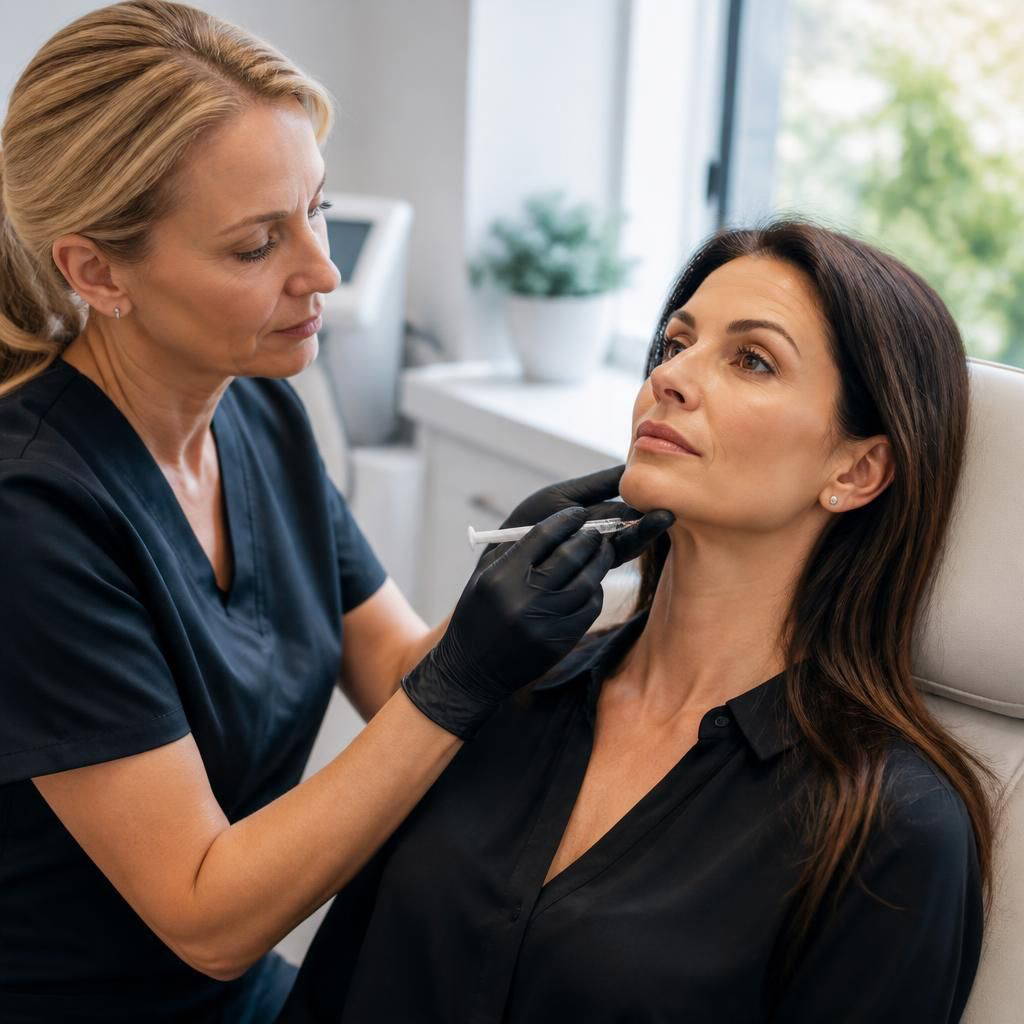

To ensure the best results when using jowls and lower face fillers, it is crucial to follow a methodical approach that includes proper product selection, understanding of facial anatomy, and post-treatment care. Practitioners should be well-trained and use high-quality products to achieve optimal outcomes.
Understanding Facial Anatomy
A comprehensive understanding of facial anatomy is paramount when applying fillers to the jowls and lower face. Knowledge of muscle structure, fat distribution, and skin elasticity allows practitioners to tailor treatments effectively. This understanding helps in identifying the precise areas that require enhancement, ensuring a natural and harmonious appearance. Practitioners should also be aware of anatomical variations among individuals to customise treatments appropriately.
Choosing the Right Products
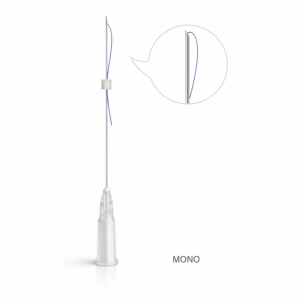
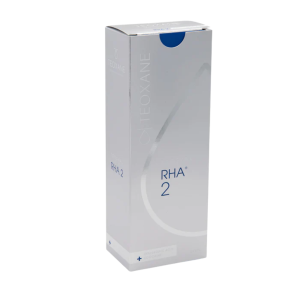
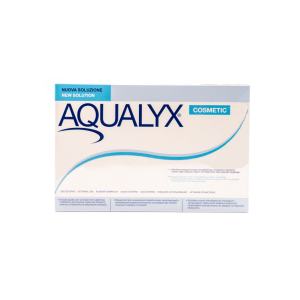
Selecting the appropriate fillers is essential for achieving the desired results. Different fillers have varying properties, such as density and longevity, which influence their suitability for specific facial areas. Practitioners should consider the patient’s skin type, age, and aesthetic goals when choosing products. Using reputable and clinically tested fillers ensures safety and efficacy, minimising the risk of adverse reactions and ensuring longer-lasting results.
Technique and Application
The technique and application of fillers significantly impact the results. Practitioners should employ precise techniques, such as using the correct injection depth and volume, to achieve a balanced and natural look. Mastery of various injection techniques, like linear threading or cross-hatching, can enhance the final outcome. Continuous professional development and training in the latest techniques can further refine a practitioner’s skills, leading to improved patient satisfaction.
Post-Treatment Care
Post-treatment care is a critical component in ensuring the best results with jowls and lower face fillers. Patients should be informed about potential side effects and the importance of following aftercare instructions. Recommendations may include avoiding excessive sun exposure, refraining from intense physical activity, and using prescribed skincare products to promote healing and prolong the effects of the treatment. Regular follow-up appointments allow practitioners to assess the results and make any necessary adjustments for optimal outcomes.
Ensuring the best results with jowls and lower face fillers involves a multi-faceted approach that combines expertise, product selection, and patient care. Practitioners should prioritise continuous education to stay updated on the latest techniques and advancements in aesthetic treatments. This commitment to learning enhances skill levels and increases patient trust and satisfaction.
Effective communication with patients is also key. Understanding their expectations and providing realistic outcomes can prevent dissatisfaction. Detailed consultations allow practitioners to explain the process, potential risks, and anticipated results, ensuring patients are well-informed and comfortable with their treatment plan.
Lastly, a focus on aftercare is essential. Providing clear instructions on post-treatment activities and recommending suitable skincare products can significantly impact the longevity and success of the filler application. Regular follow-ups enable practitioners to monitor progress and address any concerns, ensuring the best possible results for each patient.