
Cheekbone fillers, a popular option in aesthetic enhancements, can indeed come with potential side effects and risks, much like any cosmetic procedure. These may include temporary redness, swelling, or bruising at the injection site. However, more serious complications, such as infection, lumps, or asymmetry, can also occur, though they are less common. Consulting with a qualified professional and understanding the risks involved is crucial for a safe and satisfactory outcome.
Common Side Effects
Most individuals who undergo cheekbone filler treatments experience mild and temporary side effects. These typically include redness, swelling, and bruising around the injection site, which usually resolve within a few days. Pain or tenderness in the treated area is also common but generally subsides quickly. These side effects are part of the body’s natural response to the injection and can often be managed with over-the-counter pain relief and cold compresses.
Potential Complications
While uncommon, more serious complications can arise from cheekbone fillers. Infection is a risk with any procedure that involves breaking the skin, though it is rare with proper hygiene and care. There is also the possibility of developing lumps or irregularities under the skin if the filler is not injected correctly. In some cases, the filler may migrate from the intended area, leading to asymmetry or undesired results. These issues often require additional treatment to correct.
Minimising Risks
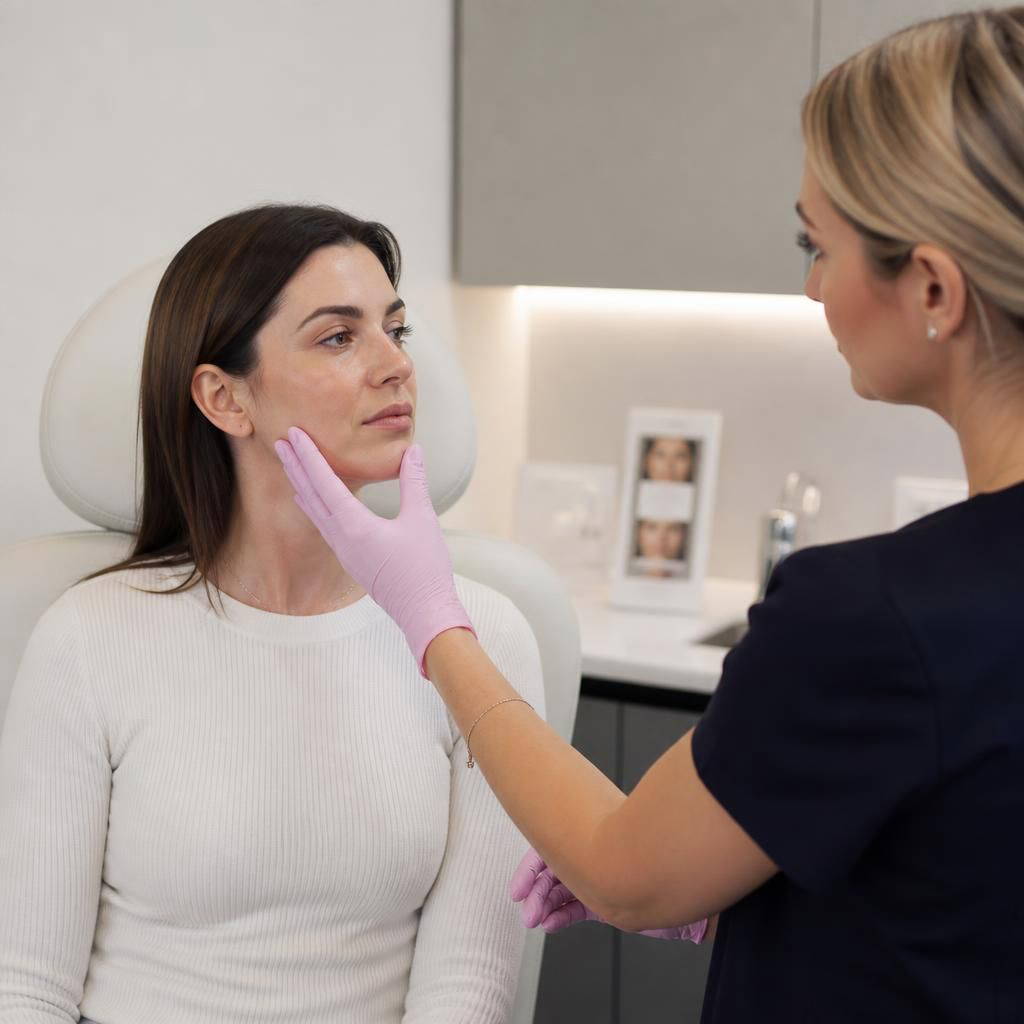
To minimise the risks associated with cheekbone fillers, it is essential to choose a qualified and experienced practitioner. A thorough consultation should take place before the procedure, during which the practitioner assesses your suitability for fillers and discusses potential risks and outcomes. Following post-treatment care instructions is also vital in reducing the likelihood of complications. This can include avoiding strenuous activities, not touching the treated area, and following any specific advice given by the practitioner.
Understanding the potential risks and side effects of cheekbone fillers is crucial for anyone considering this cosmetic treatment. While most side effects are mild and temporary, such as swelling and bruising, more serious complications can occur, albeit rarely. These include infection, lumps, and asymmetry, which highlight the importance of choosing a qualified professional.
Proper aftercare is essential in reducing risks. This includes following the practitioner’s instructions closely, avoiding certain activities, and attending any recommended follow-up appointments. Being informed and prepared can significantly enhance the safety and effectiveness of the procedure.
In summary, while cheekbone fillers can offer enhanced facial contours, they also come with potential risks that should not be overlooked. Ensuring treatment by an experienced professional and adhering to post-procedure care can help achieve the desired results safely.