
Non-surgical rhinoplasty, often referred to as a liquid nose job, is a cosmetic procedure that uses injectable fillers to alter and shape a person’s nose without the need for invasive surgery. The cost of non-surgical rhinoplasty treatments can vary significantly, influenced by several key factors. These include the type of filler used, the expertise of the practitioner, the geographical location of the clinic, and the complexity of the procedure required to achieve the desired results.
Type of Filler
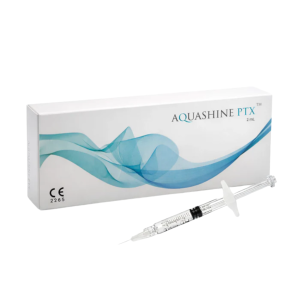
The type of dermal filler selected for a non-surgical rhinoplasty can greatly impact the overall cost. Different fillers have varying properties, longevity, and cost. For instance, hyaluronic acid-based fillers are popular due to their natural look and reversibility, but they may be more expensive than other options. Additionally, the brand of the filler can also affect pricing, as premium brands tend to command higher prices due to their reputation and proven results.
Practitioner’s Expertise
The experience and qualifications of the practitioner performing the procedure are crucial factors that influence cost. Highly skilled practitioners who have a track record of successful outcomes often charge more for their services. Their expertise ensures not only a higher quality result but also minimises potential risks and complications. Patients are generally willing to pay a premium for the assurance of safety and effectiveness that comes with a seasoned professional.
Geographical Location
Geographical location is another determinant of cost. Clinics situated in major cities or affluent areas typically have higher overheads, which can lead to increased prices for treatments. Conversely, clinics in less urbanised or economically diverse areas might offer more competitive pricing. Additionally, regional demand for cosmetic procedures can affect pricing, with higher demand areas potentially seeing increased costs due to limited availability of appointments.
Procedure Complexity
The complexity of the individual procedure also plays a significant role in determining cost. If a patient requires significant reshaping or correction, the procedure may require more time, expertise, and product, thus increasing the cost. Furthermore, patients with unique anatomical considerations may necessitate a more tailored approach, which can also contribute to higher pricing. Ultimately, a personalised consultation is essential to assess the specific requirements and associated costs for each patient.
The cost of non-surgical rhinoplasty is multifaceted, where each aspect of the treatment contributes to the overall price. Primarily, the type of filler used can significantly affect the cost. Premium fillers with better longevity and natural results are often more expensive, reflecting their quality and effectiveness.
Moreover, the expertise of the practitioner is a crucial factor. Experienced practitioners with a history of successful procedures typically charge more, as their skills offer assurance of safety and desirable outcomes. This expertise is especially important in procedures like rhinoplasty, where precision is essential.
Lastly, the geographical location of the clinic can influence pricing. Clinics in urban or affluent areas may have higher operational costs, which are often passed on to the patient. These factors combined underscore the importance of considering all aspects when evaluating the cost of non-surgical rhinoplasty, ensuring informed decisions that align with individual expectations and budget.