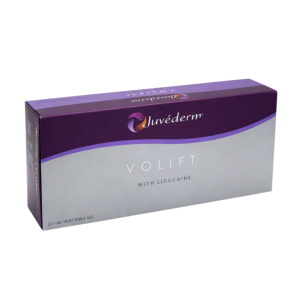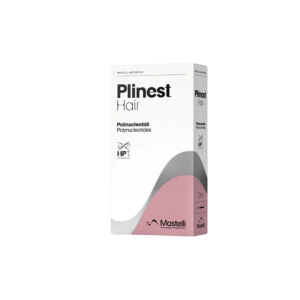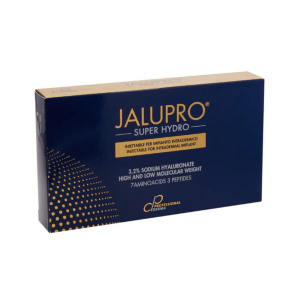

When comparing Eye Area Redensity treatment to traditional under-eye fillers, both serve to enhance the under-eye area, yet they have distinct differences. Eye Area Redensity is specifically formulated for the delicate skin around the eyes, aiming to improve hydration, density, and elasticity. Traditional under-eye fillers primarily aim to add volume and reduce the appearance of hollows. The choice between the two depends on the specific concerns and desired outcomes of the patient.
Composition and Purpose
Eye Area Redensity is a specialised treatment designed for the sensitive skin around the eyes. It typically includes a combination of hyaluronic acid, amino acids, antioxidants, and vitamins that work synergistically to revitalise the under-eye area. Traditional under-eye fillers, on the other hand, usually consist of hyaluronic acid alone and are primarily used to fill in volume loss or to smooth out fine lines. The aim of Eye Area Redensity is not just to fill but to improve skin quality and texture, offering a more comprehensive approach to under-eye rejuvenation.
Longevity and Results
The results of Eye Area Redensity can last between 6 to 12 months, depending on individual skin characteristics and maintenance practices. The treatment offers subtle, natural-looking improvements by enhancing the overall quality of the skin. Traditional under-eye fillers may last from 9 to 18 months, depending on the specific product used. They provide immediate volume and contouring effects, which can be more dramatic than those of Eye Area Redensity. However, the risk of lumpiness or unnatural appearance can be higher with fillers if not administered correctly.
Safety and Side Effects
Both Eye Area Redensity and traditional under-eye fillers are generally considered safe when performed by qualified practitioners. Eye Area Redensity is less likely to cause bruising or swelling due to its lightweight formulation, making it a preferred choice for patients with sensitive skin. Traditional fillers may carry a higher risk of side effects such as bruising, swelling, or even the rare occurrence of vascular complications. It is crucial for practitioners to thoroughly assess the patient’s skin and medical history to minimise risks and ensure optimal outcomes.
Suitability for Different Patients
The suitability of Eye Area Redensity versus traditional under-eye fillers largely depends on the patient’s specific needs and aesthetic goals. Eye Area Redensity is ideal for patients seeking a natural enhancement of skin quality without significant volume change. It is particularly beneficial for individuals experiencing early signs of ageing or those with thin, delicate skin. Traditional fillers are better suited for patients needing more substantial volume correction or those with pronounced under-eye hollows. A thorough consultation with a qualified practitioner can help determine the most suitable treatment for each individual.
Eye Area Redensity offers a unique approach by targeting the skin’s quality, providing hydration and improving elasticity. This makes it an excellent option for individuals looking to enhance the skin’s appearance subtly and naturally. It is particularly beneficial for those with early signs of ageing or those desiring a refreshed look without significant volume change.
Traditional under-eye fillers, conversely, focus on volume restoration, making them suitable for addressing deeper hollows and more pronounced volume loss. While they can offer immediate and striking results, the risk of unnatural appearance or lumpiness is higher if not administered correctly.
Ultimately, the choice between Eye Area Redensity and traditional fillers should be tailored to the patient’s specific needs and desired outcomes. Consulting with a knowledgeable practitioner can provide clarity on the best option, ensuring that the chosen treatment aligns with the individual’s aesthetic goals and skin characteristics.