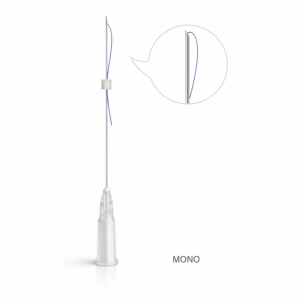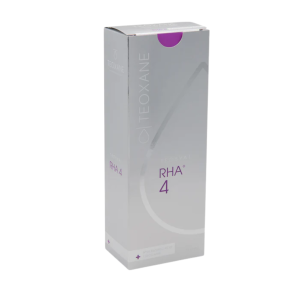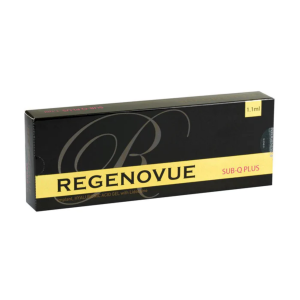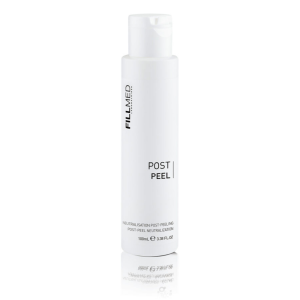

Proper skin hydration and peeling are crucial components of professional skincare, ensuring optimal skin health and appearance. Hydration maintains the skin’s barrier function, while peeling promotes cell turnover, addressing issues like dullness and uneven texture. Best practices involve using quality products and techniques tailored to individual skin types and concerns, ensuring both immediate and long-term benefits.
Understanding Skin Hydration
Skin hydration involves maintaining the skin’s moisture levels to prevent dryness, irritation, and premature ageing. Effective hydration practices include using products with humectants such as hyaluronic acid, which attract moisture to the skin. Additionally, emollients and occlusives help to lock in moisture, creating a protective barrier. It’s essential to tailor hydration strategies to individual skin types; for instance, oily skin may require lighter formulations, while dry skin benefits from richer creams.
The Role of Peeling in Skincare
Peeling is a technique used to exfoliate the skin, removing dead skin cells and promoting new cell growth. This process can be achieved through mechanical exfoliants, such as scrubs, or chemical exfoliants, like alpha-hydroxy acids (AHAs) and beta-hydroxy acids (BHAs). Chemical peels offer varying strengths and are chosen based on skin type and desired outcomes. Regular peeling can improve texture, tone, and clarity, but over-exfoliation should be avoided to prevent irritation.
Combining Hydration and Peeling for Optimal Results
Combining proper hydration with controlled peeling enhances the overall health and appearance of the skin. After peeling, the skin may be more sensitive, making hydration crucial. Applying a soothing, hydrating product post-peel helps to replenish moisture and support the skin’s recovery. It’s also important to incorporate sun protection, as freshly exfoliated skin can be more susceptible to UV damage. A balanced routine, customised to individual needs, ensures effective skincare outcomes.
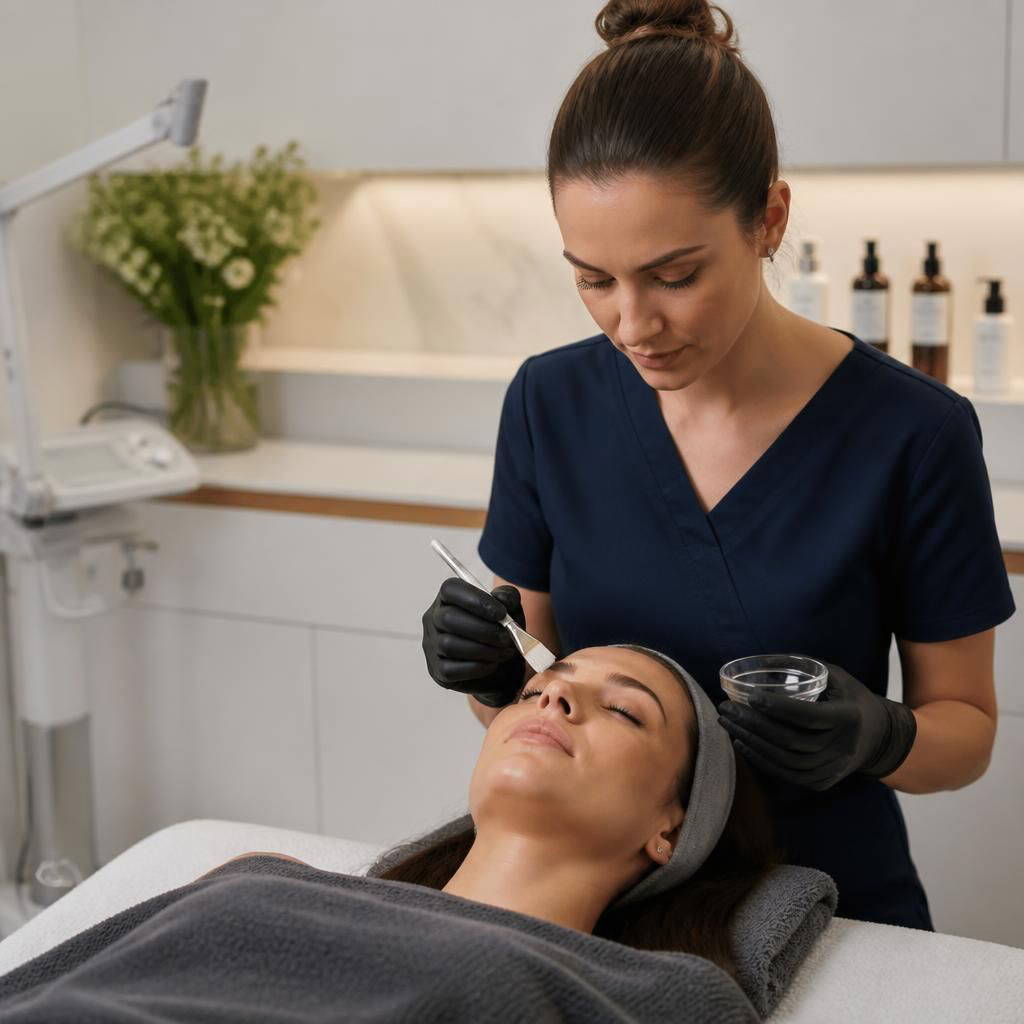
For effective skin hydration, it is vital to choose products that cater to the specific needs of your skin type. Incorporating a hydrating serum with hyaluronic acid can significantly enhance moisture retention. Additionally, using a gentle cleanser and avoiding harsh soaps will help preserve the skin’s natural oils, preventing dryness.
When implementing peeling into a skincare routine, it’s important to start with milder formulations, especially for sensitive skin. Gradually increasing the strength and frequency of peels can help the skin adjust and minimise adverse reactions. It is advisable to consult with a skincare professional to determine the most suitable peeling regimen.
Finally, maintaining a consistent skincare routine is key to achieving long-lasting results. Regularly assessing the skin’s condition and adjusting products and techniques as needed ensures that the skin remains healthy, hydrated, and rejuvenated. A balanced approach to hydration and peeling ultimately leads to a more vibrant and youthful complexion.