
To find qualified practitioners for polynucleotide injections in the UK, it is crucial to seek out professionals who are certified and have a proven track record in aesthetic treatments. These practitioners typically operate within accredited clinics or medical facilities and are often members of recognised professional bodies. This ensures they adhere to high standards of practice and patient care.
Understanding Polynucleotide Injections
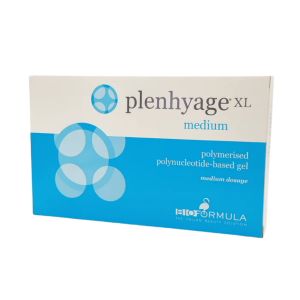
Polynucleotide injections are a relatively advanced skincare treatment aimed at skin rejuvenation and repair. They involve the use of polynucleotides, which are DNA fragments that can stimulate cell growth and improve skin elasticity. As such, these treatments are highly specialised and require a practitioner with specific training and expertise. The practitioners performing these injections should be well-versed in the latest techniques and safety protocols to ensure optimal results and minimise any potential risks.
Checking Qualifications and Accreditation
When seeking a practitioner for polynucleotide injections, verifying their qualifications and accreditations is essential. Practitioners should hold relevant medical or aesthetic qualifications and be registered with a professional body such as the General Medical Council (GMC) or the Nursing and Midwifery Council (NMC). Membership in organisations like the British Association of Cosmetic Nurses (BACN) or the British College of Aesthetic Medicine (BCAM) can also be indicative of a practitioner’s commitment to maintaining high standards.
Research and Recommendations
Conducting thorough research is a critical step in finding the right practitioner. Look for practitioners who have positive reviews and testimonials from previous clients. Personal recommendations from friends or family who have undergone similar treatments can also be invaluable. Additionally, attending consultations with potential practitioners can provide insights into their approach, professionalism, and the level of care they offer.
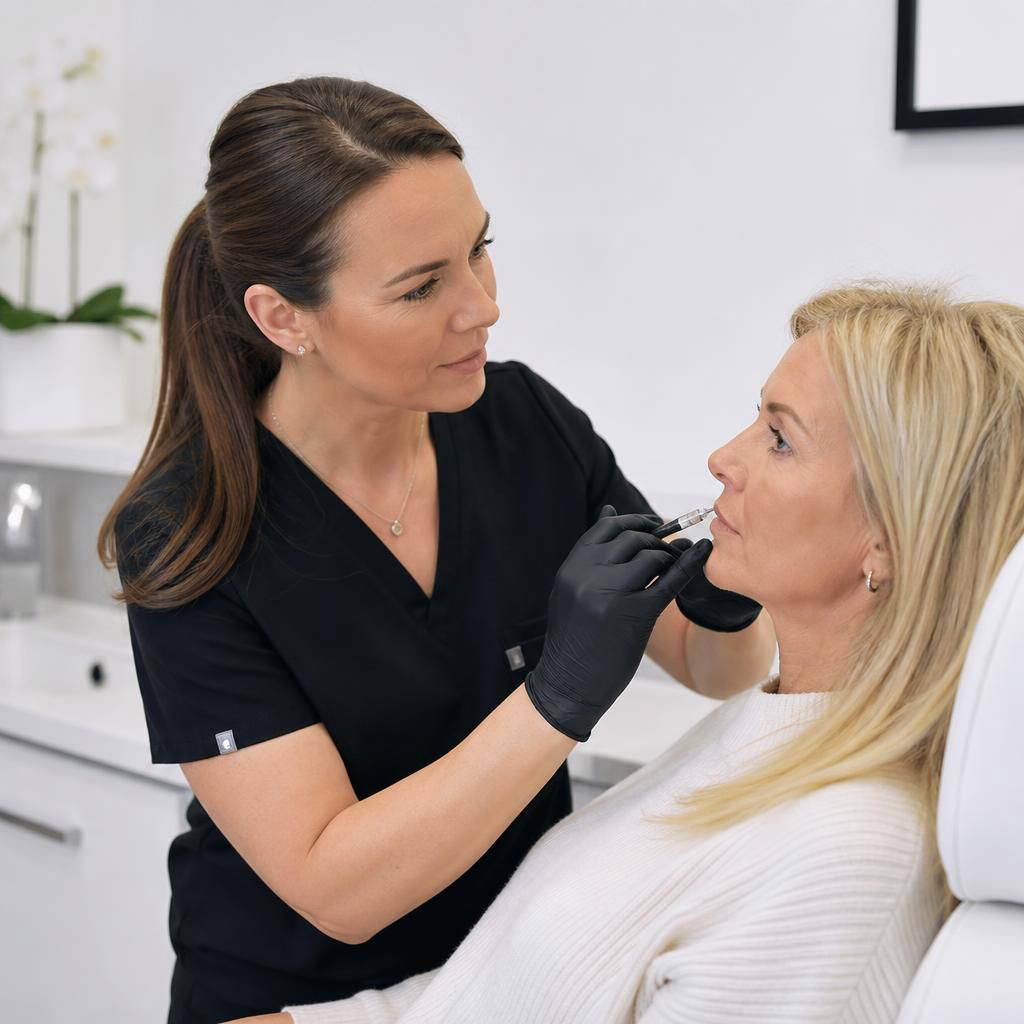
When considering polynucleotide injections, it is vital to engage with practitioners who have a substantial background in aesthetic treatments. This ensures that the practitioner is equipped with the necessary skills and knowledge to deliver effective and safe results. The experience of the practitioner can significantly influence the outcome of the treatment.
In addition to qualifications, the practitioner’s approach to patient care is equally important. A reputable practitioner will conduct a thorough consultation to understand your needs and expectations, offering personalised advice and setting realistic expectations. This level of care is indicative of a practitioner’s dedication to achieving the best possible outcomes for their clients.
Finally, it is advisable to verify the clinic’s credentials where the treatment will be performed. The clinic should maintain high standards of hygiene and safety, and its staff should be trained in handling any potential complications. Ensuring these factors can help guarantee a satisfactory experience with polynucleotide injections.