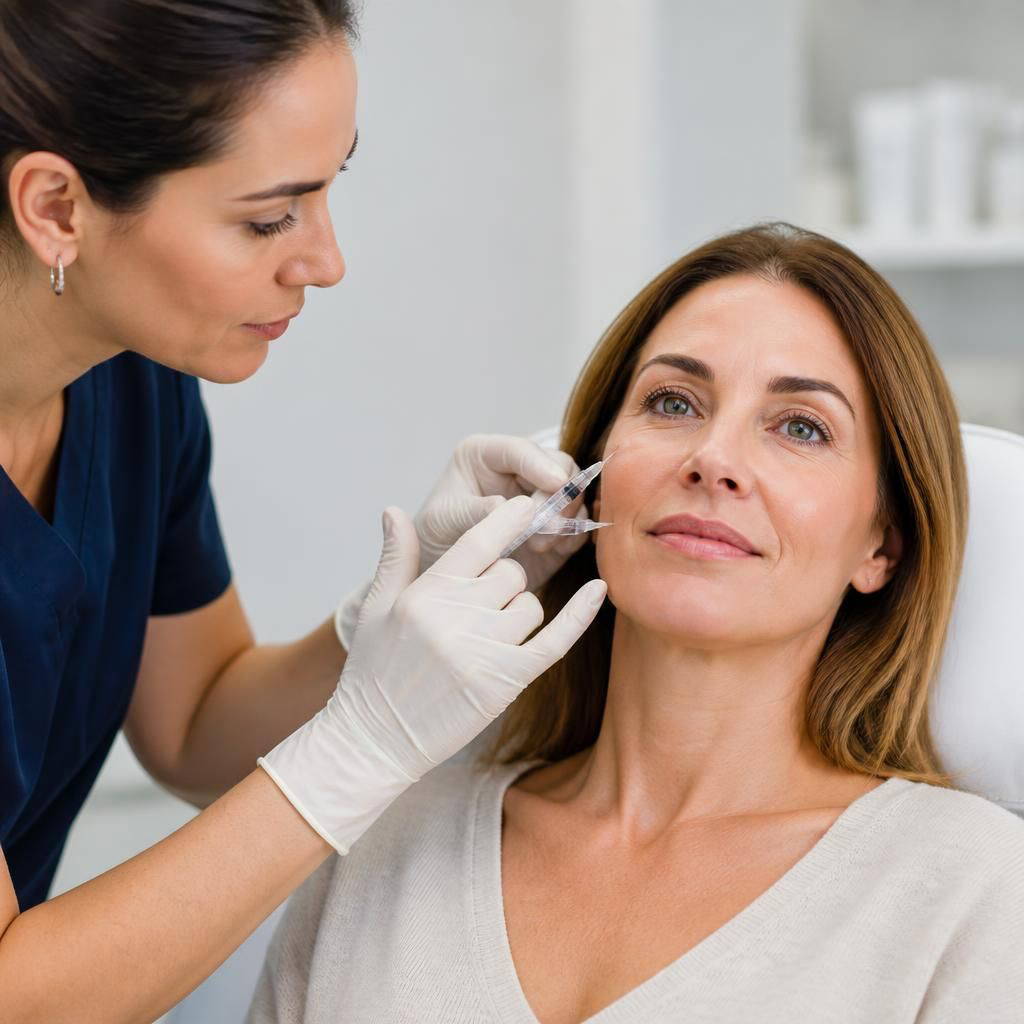

Polynucleotide booster injections are generally considered safe for all skin types when administered by qualified professionals. These treatments are designed to improve skin quality by enhancing hydration, elasticity, and overall appearance. However, as with any cosmetic procedure, it is essential to conduct a thorough consultation to assess individual skin conditions and any potential contraindications.
Understanding Polynucleotide Boosters
Polynucleotide boosters are derived from DNA fragments that help repair and rejuvenate the skin. These boosters work by stimulating the skin’s natural regenerative processes, promoting collagen production, and improving skin texture. The treatment is minimally invasive and typically involves a series of microinjections. Due to the biocompatible nature of polynucleotides, they are well-tolerated by most individuals, making them suitable for a wide range of skin types. Nevertheless, it is crucial to tailor the treatment to the specific needs of each patient.
Potential Risks and Considerations
While polynucleotide boosters are generally safe, there are some considerations to bear in mind. Individuals with certain medical conditions, such as autoimmune disorders, or those who are pregnant or breastfeeding, should consult with their healthcare provider before undergoing treatment. Additionally, it is important to ensure that the products used are sourced from reputable suppliers and administered by trained professionals to minimise the risk of adverse reactions.
Consultation and Personalisation
A comprehensive consultation is essential to determine the suitability of polynucleotide boosters for a particular individual. During this process, the practitioner will evaluate the patient’s medical history, skin type, and treatment goals. This personalised approach ensures that the treatment plan is safe and effective, reducing the likelihood of complications. It is also an opportunity to discuss any concerns the patient may have and to set realistic expectations for the outcome of the treatment.
Conclusion
In conclusion, polynucleotide booster injections can be a safe and effective option for enhancing skin quality across various skin types. By selecting a qualified practitioner and undergoing a thorough consultation, patients can enjoy the benefits of this advanced skincare treatment with confidence. As with any medical procedure, informed decision-making and professional guidance are key to achieving optimal results while minimising risks.
Polynucleotide booster injections offer a promising solution for improving skin vitality and texture. They are generally safe for diverse skin types, owing to their biocompatible nature. However, it is essential to ensure treatments are administered by qualified professionals to maintain safety standards.
Before proceeding with polynucleotide boosters, a thorough consultation is vital. This step allows practitioners to assess the individual’s skin type and medical history, ensuring the treatment aligns with their specific needs. Such personalised care helps in mitigating potential risks and enhancing treatment efficacy.
Ultimately, while polynucleotide boosters are largely safe for most individuals, it is crucial to proceed with caution, especially for those with underlying health conditions. By prioritising professional guidance and personalised treatment plans, patients can achieve desired skin improvements with reduced risk of adverse effects.