
Choosing the right LED and laser skin resurfacing treatment for your skin type involves understanding the specific needs of your skin and the outcomes you desire. Each skin type, be it oily, dry, sensitive, or combination, reacts differently to various treatments, and it is vital to match the treatment to your skin’s characteristics. Consulting with a skincare professional who can assess your skin and recommend the best treatment option is often the best approach.
Understanding Your Skin Type
Your skin type is a crucial factor in determining the appropriate treatment. Oily skin, for instance, may benefit from treatments that target excess sebum production, while dry skin might require treatments that enhance hydration. Sensitive skin types need a gentle approach to avoid irritation, and combination skin may require a tailored treatment plan addressing multiple concerns. Knowing your skin type helps in selecting the most effective and safe treatment.
Types of LED and Laser Treatments
LED treatments use varying wavelengths of light to target specific skin concerns. Blue light is often used for acne, red light for anti-ageing and inflammation, and near-infrared for deeper penetration. Laser treatments, on the other hand, can be more intense and are often used for resurfacing, pigmentation issues, and deeper wrinkles. Understanding the strengths of each can guide you in choosing the right one for your needs.
Consultation and Professional Guidance
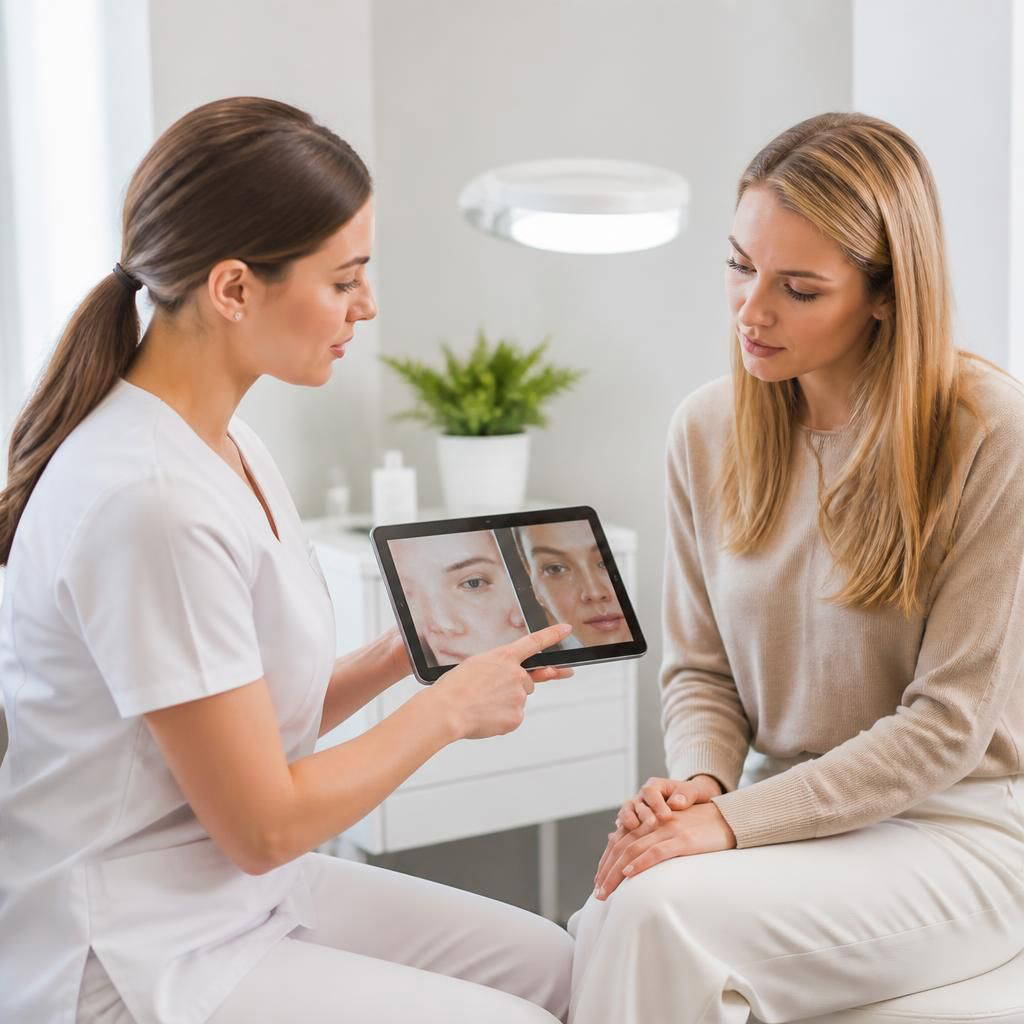
Consulting with a trained practitioner is essential when considering LED and laser treatments. Professionals can provide a skin assessment and recommend a treatment plan tailored to your skin type and desired outcomes. They can also inform you about the latest technologies and techniques available, ensuring you receive the safest and most effective treatment.
When selecting an LED or laser treatment, it is crucial to consider the specific issues you wish to address, such as acne, wrinkles, or pigmentation. Each treatment type offers distinct benefits, and understanding these can help you make an informed decision. For example, LED treatments are generally less invasive and require minimal downtime, making them suitable for regular use.
Laser treatments, while potentially offering more dramatic results, often require more recovery time and should be planned accordingly. They are ideal for more significant skin concerns that require deeper penetration and resurfacing. It is important to balance the desired results with the potential recovery time and any side effects.
Finally, always ensure that the practitioner is qualified and experienced in administering these treatments. This not only guarantees the best results but also minimises risks and complications. A professional will help you navigate the options and tailor the treatment to best suit your skin type and condition.