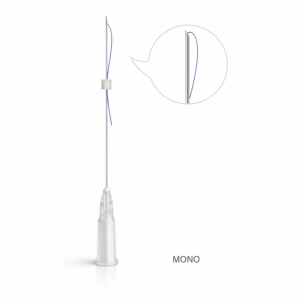

Mesotherapy scalp treatments are generally considered safe and effective for various hair types, provided they are administered by qualified professionals. This non-surgical technique involves microinjections of vitamins, enzymes, hormones, and plant extracts into the scalp to rejuvenate and stimulate hair growth. While mesotherapy is widely used and has shown positive results for many, individual outcomes may vary based on unique hair and scalp conditions.
Understanding Mesotherapy
Mesotherapy is a minimally invasive procedure that targets the mesoderm, or middle layer of the skin. The treatment involves the injection of a tailored cocktail of vitamins, minerals, and other nutrients directly into the scalp. This method is designed to nourish and hydrate hair follicles, potentially reversing hair thinning and promoting hair growth. While the treatment is versatile and can be adapted to different hair types, it is crucial to have a thorough consultation with a trained practitioner to ensure the treatment is suitable for your specific needs.
Safety Considerations
The safety of mesotherapy largely depends on the expertise of the practitioner and the quality of the products used. When performed correctly, mesotherapy is considered a low-risk procedure. However, patients may experience mild and temporary side effects such as redness, swelling, or bruising at the injection site. It is essential to discuss any medical conditions or allergies with your practitioner before undergoing treatment. Practitioners should follow strict hygiene protocols to minimise the risk of infection or complications.
Effectiveness for Different Hair Types
Mesotherapy can be effective for a range of hair types, from thin and fine hair to thicker, more resilient strands. The treatment works by improving blood circulation and delivering essential nutrients to the hair follicles, which can lead to improved hair density and quality. However, the effectiveness may vary based on individual factors such as the underlying cause of hair loss, the condition of the scalp, and adherence to post-treatment care. Consistent sessions and a personalised treatment plan are often recommended for optimal results.
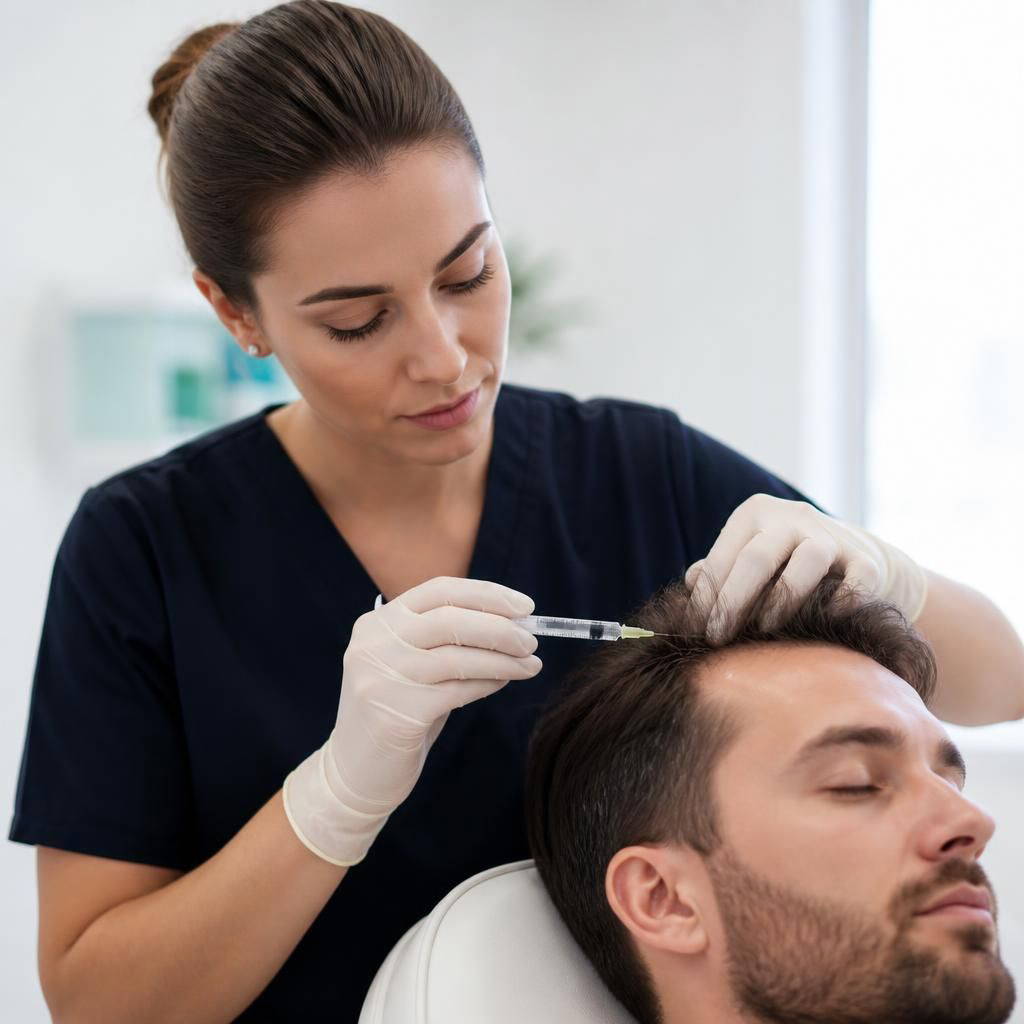
Mesotherapy scalp treatments have gained popularity due to their potential to address hair thinning and loss across various hair types. The microinjection technique allows targeted delivery of nutrients directly to hair follicles, which can enhance hair density and vitality. This approach is generally well-received by individuals seeking non-surgical options for hair rejuvenation.
While mesotherapy is safe for most people, it is not universally suitable for everyone. Those with specific medical conditions or scalp issues should consult with a healthcare professional to determine the appropriateness of the treatment. Moreover, the expertise of the practitioner plays a vital role in ensuring both safety and effectiveness.
In conclusion, mesotherapy offers a promising solution for hair restoration, but its success depends on personalised treatment plans and professional administration. Prospective patients should seek consultations with experienced practitioners to tailor treatments to their unique hair and scalp needs.