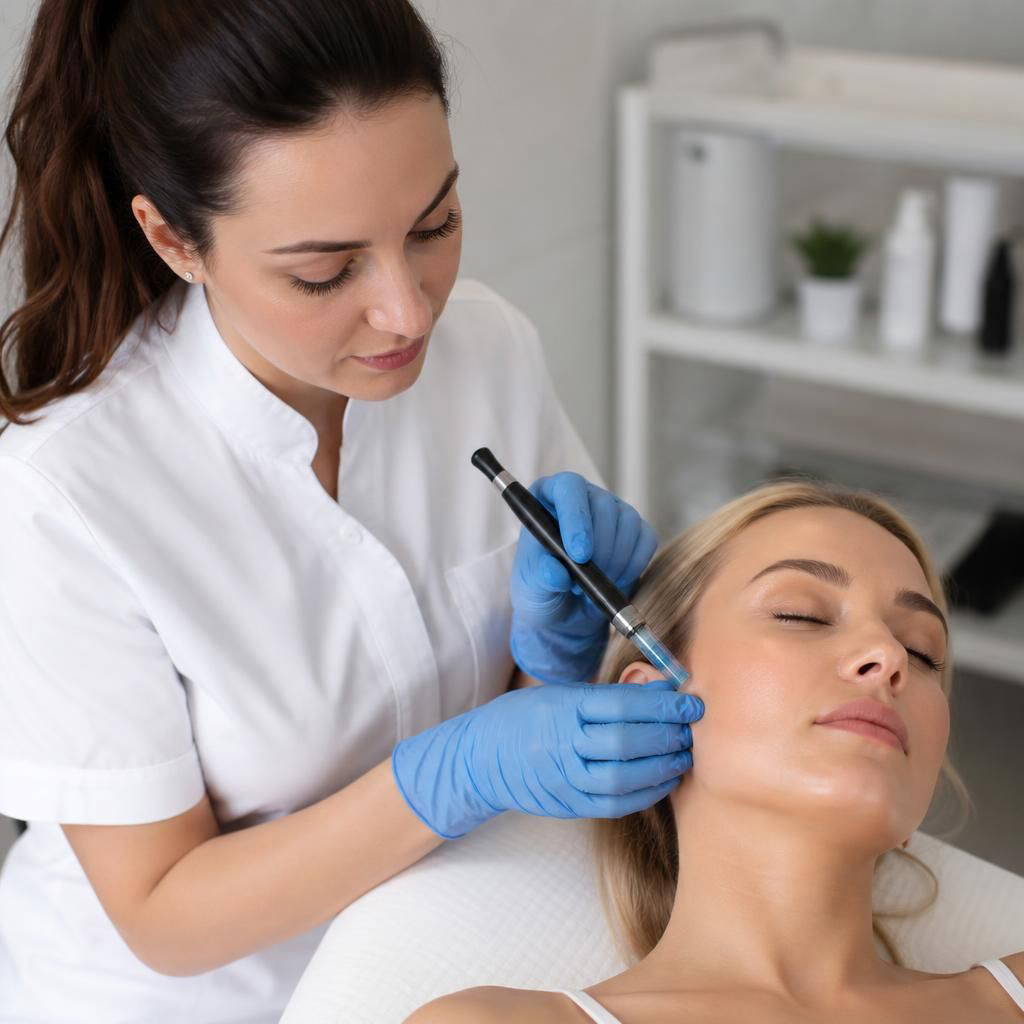

Microneedling needles are generally safe for most skin types when used correctly and by trained professionals. However, choosing the right type of needle is crucial to ensure safety and effectiveness, as different skin types and conditions may require different needle lengths and materials.
Understanding Skin Types and Microneedling
When considering microneedling, it is essential to understand your skin type. Skin types can range from oily to dry, sensitive to resilient, and combinations thereof. Each type may respond differently to microneedling, influencing the choice of needle. For instance, sensitive skin may require shorter, finer needles to prevent irritation, while thicker, more resilient skin might benefit from longer needles to achieve deeper penetration and more significant results.
Choosing the Right Needle
Selecting the appropriate microneedling needle involves considering both the length and gauge of the needle. Needle lengths can vary significantly, typically ranging from 0.25mm to 2.5mm. Shorter needles are often used for superficial treatments, such as improving product absorption or addressing fine lines, while longer needles are reserved for more intensive treatments like scar reduction. The gauge or thickness of the needle also plays a role; finer needles may be better suited for delicate areas or sensitive skin, reducing discomfort and the risk of adverse reactions.
Consultation and Professional Guidance
It is advisable to consult with a skincare professional before proceeding with microneedling. Professionals can assess your skin type and recommend the most suitable needle length and gauge for your specific needs. They can also provide guidance on post-treatment care, ensuring optimal results and minimizing potential side effects. A thorough consultation not only enhances safety but also maximises the effectiveness of the treatment, allowing for a tailored approach that addresses individual skin concerns.
Safety Considerations
Safety is paramount when performing microneedling. Ensuring the use of sterile, high-quality needles is crucial to prevent infections and complications. It is also important to adhere to recommended treatment intervals, allowing the skin adequate time to heal and regenerate between sessions. Following post-treatment care instructions, such as avoiding direct sun exposure and using appropriate skincare products, further contributes to the safety and success of microneedling.
Microneedling needles offer a versatile solution for a range of skin concerns, yet their safety and effectiveness largely depend on selecting the right type for your skin. For individuals with sensitive skin, opting for shorter and finer needles can minimise irritation while still providing benefits such as improved texture and tone. Conversely, those with thicker or more resilient skin might find longer needles more beneficial for tackling issues like scarring or deeper wrinkles.
Professional advice is invaluable when choosing microneedling needles. Experts can assess your skin’s condition and recommend the most suitable needle type, ensuring both safety and efficacy. They also provide critical insights into post-treatment care, which is essential for maintaining results and preventing potential side effects.
Ultimately, while microneedling needles are generally safe for various skin types, personalised selection and professional guidance are key to achieving the best outcomes. By understanding your skin’s unique needs and following expert recommendations, you can make informed choices that enhance both the safety and effectiveness of your microneedling treatments.