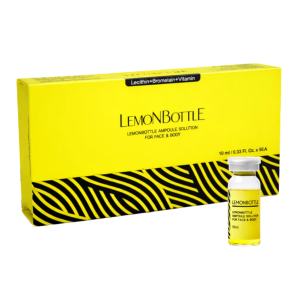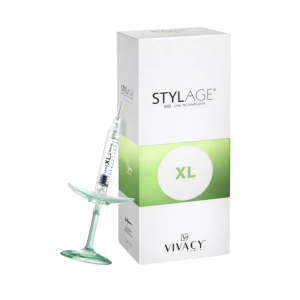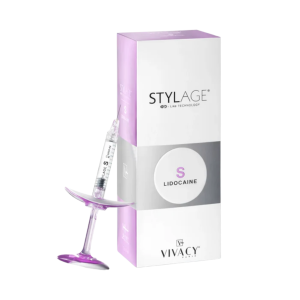

Mesotherapy for dark circles is influenced by various factors, primarily dictated by the choice of products, the expertise of the practitioner, and the specific needs of the patient. Understanding these elements can help clinics and practitioners determine appropriate pricing strategies that are competitive yet reflective of the quality and results offered.
Product Quality and Brand
The quality and brand of mesotherapy products significantly impact pricing. High-quality products from reputable brands often come with a higher price tag due to their proven efficacy and safety standards. Clinics may choose premium products to ensure optimal results for their clients, which justifies a higher service price. Conversely, more economical products may allow for lower pricing, but it is crucial to balance cost with the effectiveness and safety of the treatment.
Practitioner Expertise
The experience and qualifications of the practitioner administering mesotherapy also play a crucial role in determining cost. Highly skilled practitioners with extensive training and a track record of successful treatments may charge more for their services. Patients often seek out practitioners known for their expertise, which can justify higher fees. Investing in continuous professional development and certifications can enhance a practitioner’s credentials, thereby influencing pricing strategies.
Clinic Location and Overheads
The geographical location of a clinic can affect mesotherapy pricing. Clinics situated in urban areas or affluent neighbourhoods may have higher operating costs, such as rent and utilities, which can be reflected in the pricing of treatments. Additionally, clinics with state-of-the-art facilities and amenities may also charge more to cover these overheads. Understanding the local market dynamics and client demographics is essential in setting competitive yet sustainable prices.
Customisation of treatment plans is another factor influencing mesotherapy pricing. Each patient’s unique skin condition and desired outcomes necessitate a tailored approach, which can affect the overall cost. A thorough initial consultation helps determine the specific needs and the number of sessions required, influencing the final price.
The competitive landscape also plays a role in pricing decisions. Clinics must consider the pricing strategies of nearby competitors to remain attractive to potential clients. However, it is vital to ensure that competitive pricing does not compromise the quality of treatment or the reputation of the clinic.
Lastly, the inclusion of post-treatment care and follow-up sessions can impact pricing. Offering comprehensive care packages that include aftercare products and additional consultations can enhance client satisfaction and justify higher prices. This holistic approach not only improves treatment outcomes but also builds client trust and loyalty.