
Mesotherapy is a popular cosmetic treatment in the UK, known for its ability to rejuvenate the skin and address various aesthetic concerns. However, like any medical procedure, it carries certain risks, and safety considerations must be prioritised to ensure successful outcomes. Key safety factors include the practitioner’s qualifications, the quality of products used, and adherence to hygiene standards. By understanding these elements, clients can make informed decisions and minimise potential complications.
Practitioner Qualifications
The qualifications and experience of the practitioner performing mesotherapy are crucial for ensuring safety. It is essential to choose a practitioner who is not only trained in aesthetic procedures but also has specific expertise in mesotherapy. This ensures that they understand the complexities of the treatment and can handle any unforeseen issues that may arise. Practitioners should be registered with relevant professional bodies in the UK, which indicates that they adhere to industry standards and are committed to continuous professional development.
Product Quality
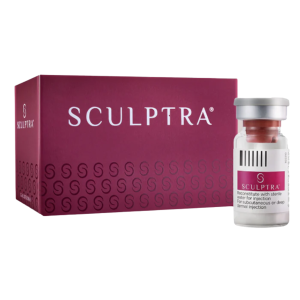
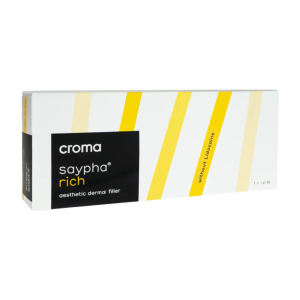
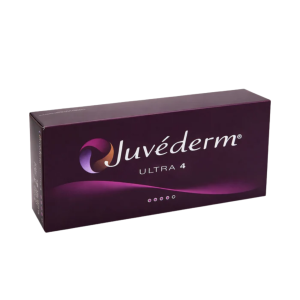
The safety of mesotherapy treatments heavily depends on the quality of the products used. It is imperative that only approved and high-quality products are utilised for the procedure. Clients should inquire about the origin and certification of the products to ensure they meet UK regulations. High-quality products not only provide better results but also reduce the risk of adverse reactions. Practitioners should always be transparent about the products they use, and clients have the right to request information on the ingredients and their effects.
Hygiene and Infection Control
Maintaining strict hygiene standards is vital in mesotherapy to prevent infections and other complications. Practitioners must adhere to rigorous infection control protocols, which include the use of sterilised equipment and maintaining a clean treatment environment. Clients should observe the cleanliness of the clinic and the practitioner’s adherence to hygiene practices, such as wearing gloves and using disposable needles. By ensuring that these safety considerations are met, clients can significantly reduce the risk of infection and ensure a safe treatment experience.
Safety in mesotherapy treatments also extends to the post-treatment care provided by the practitioner. Clients should receive comprehensive aftercare instructions to manage any side effects and promote healing. This includes guidelines on avoiding sun exposure, using specific skincare products, and recognising signs of complications.
Communication between the client and practitioner is another critical safety consideration. Clients should feel comfortable discussing their medical history, allergies, and expectations with their practitioner. Open communication ensures that the practitioner can tailor the treatment to the client’s specific needs, enhancing both safety and satisfaction.
Finally, clients should always have realistic expectations about the outcomes of mesotherapy treatments. Understanding that results can vary based on individual factors helps clients approach the procedure with a balanced perspective. By addressing these safety considerations, clients can enjoy the benefits of mesotherapy while minimising risks.