
The price of fat dissolving treatments in the UK is influenced by several key factors, including the type of product used, the expertise of the practitioner, the location of the clinic, and the number of sessions required. Each of these factors plays a significant role in determining the overall cost, making it important for clinics and practitioners to consider them when setting their prices.
Type of Product Used
The choice of fat dissolving product is a primary determinant of treatment cost. Different products vary in price due to their composition, brand reputation, and effectiveness. High-quality products from reputable manufacturers often come at a premium, reflecting their proven efficacy and safety profiles. Practitioners may opt for more expensive products to ensure better results and client satisfaction, consequently affecting the overall treatment cost.
Practitioner Expertise
The level of expertise and experience of the practitioner administering fat dissolving treatments significantly impacts pricing. Highly skilled practitioners with extensive training and a track record of successful outcomes may charge higher fees. Clients are often willing to pay more for experienced professionals, recognising the importance of skill in achieving desirable results and minimising risks associated with the procedure.
Clinic Location and Overheads
The geographical location of the clinic also plays a role in pricing. Clinics situated in major cities or affluent areas often face higher operational costs, which are reflected in their service prices. Rent, utilities, and staff wages are typically higher in such locations, necessitating an adjustment in treatment prices to maintain profitability. Moreover, clinics in well-to-do areas may attract clients who are prepared to pay more for convenience and prestige.
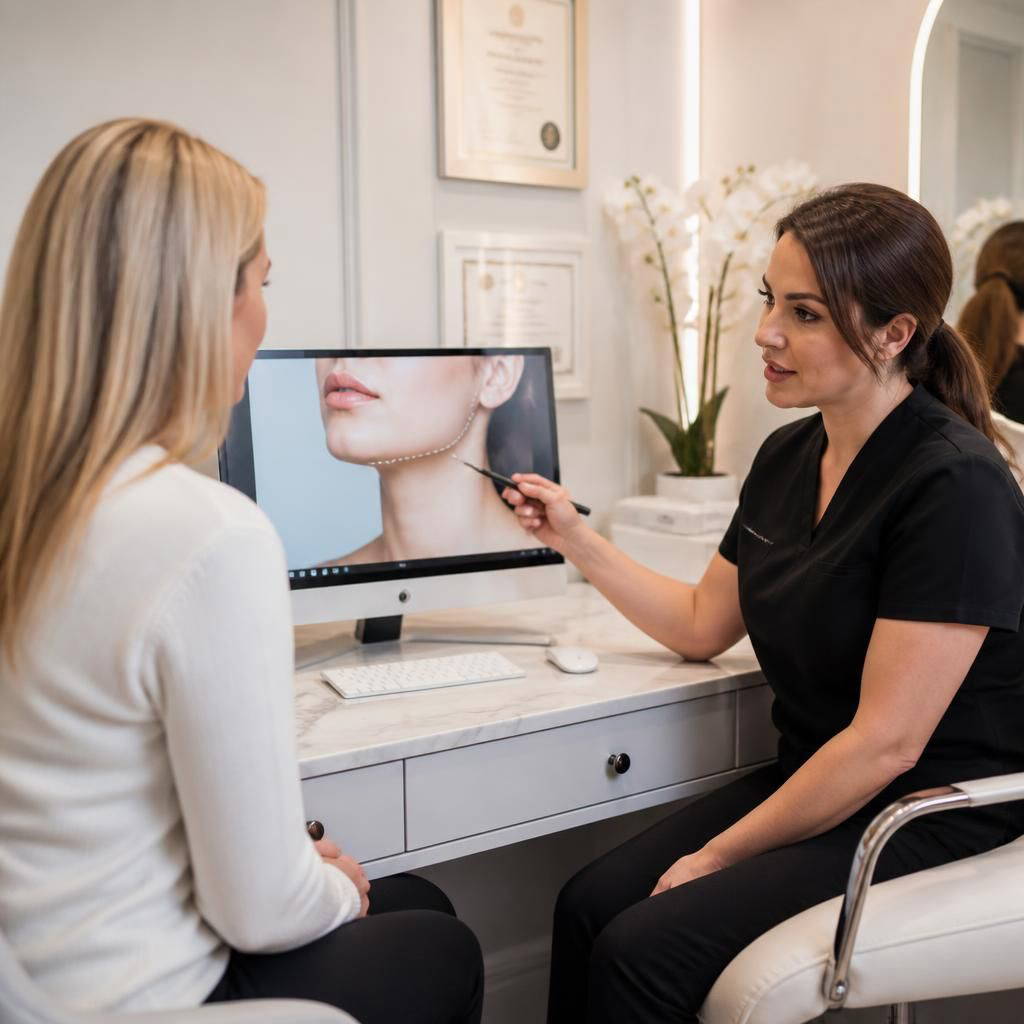
The number of sessions required for effective fat dissolving treatment is another crucial factor influencing cost. Some clients may require multiple sessions to achieve their desired results, especially if the target area is larger or if the client has specific aesthetic goals. The cumulative cost of multiple sessions can significantly increase the overall treatment price.
Furthermore, the tailored approach of the treatment also affects pricing. Personalisation of the treatment plan, including the specific areas targeted and the individual client’s needs, can lead to variations in cost. Customised treatments often require more resources and time, which clinics may factor into their pricing structures.
Finally, the competitive landscape and market demand can impact pricing strategies. In areas with a high concentration of clinics offering similar services, competitive pricing may be adopted to attract clients. Conversely, in regions with limited availability of such treatments, prices might be higher due to less competition.