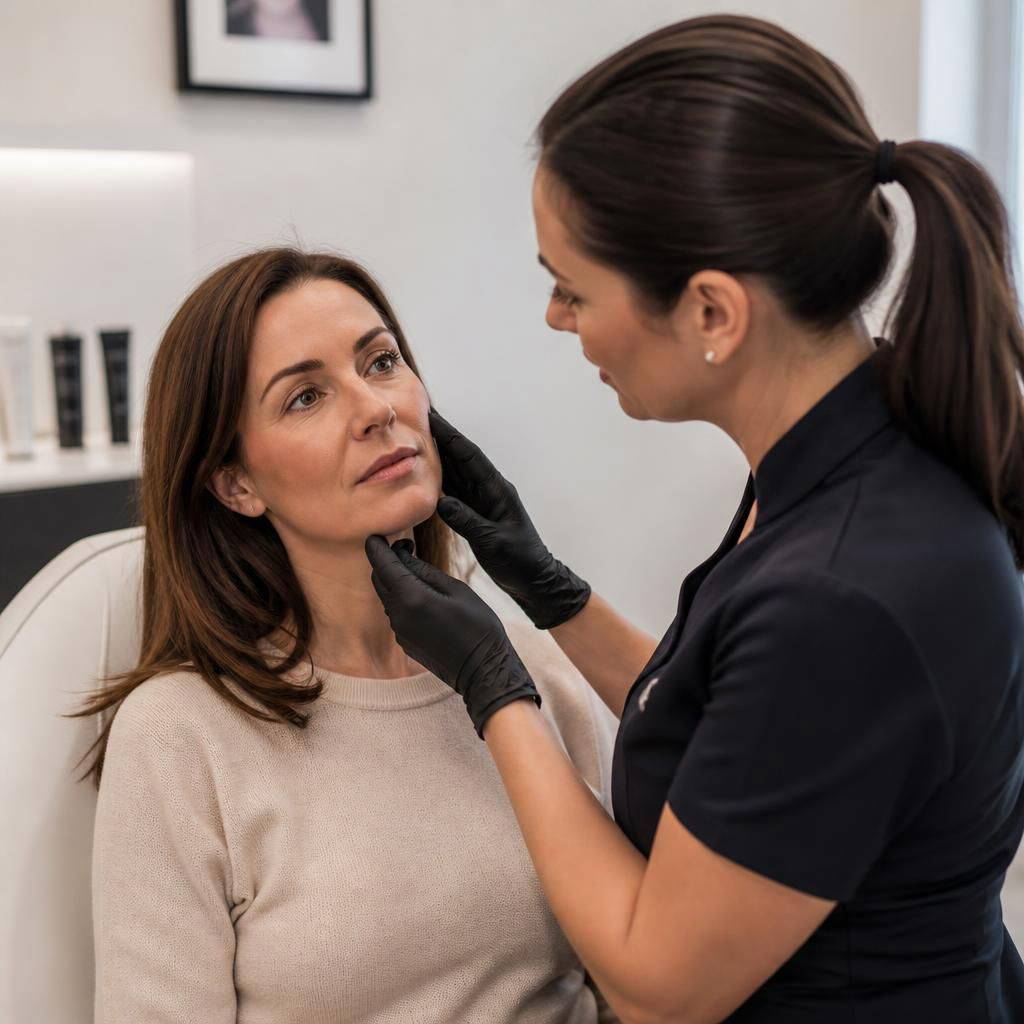

Dissolving cheek filler can have side effects, although they are generally rare and often mild. The process involves using an enzyme called hyaluronidase, which breaks down hyaluronic acid-based fillers. While this procedure is generally safe when performed by a qualified professional, it is important to be aware of potential side effects to ensure a safe and satisfactory outcome.
Potential Immediate Reactions
Immediately after the procedure, patients may experience some localised reactions such as redness, swelling, and tenderness at the injection sites. These symptoms are usually mild and resolve within a few days. It is crucial to follow post-treatment care guidelines provided by your practitioner to minimise these effects and promote healing.
Allergic Reactions
One of the more serious side effects, although rare, is an allergic reaction to hyaluronidase. Symptoms might include itching, rash, or more severe reactions such as difficulty breathing. Before undergoing the procedure, patients should discuss their medical history with their practitioner to assess their risk. A patch test may be done to ensure there is no allergic response to the enzyme.
Over-dissolution and Asymmetry
Another potential risk is over-dissolution, where more filler is dissolved than intended, leading to asymmetry or volume loss. This can be corrected with additional filler treatments if necessary. It is essential to choose a skilled and experienced practitioner to minimise this risk. They will carefully assess the amount of enzyme needed and apply it with precision to achieve the desired result while maintaining facial symmetry.
While side effects from dissolving cheek filler are possible, they are generally manageable with proper care and professional guidance. Choosing a qualified and experienced practitioner is key to minimising risks and ensuring a safe procedure. They can provide detailed aftercare instructions to help manage any immediate post-procedure symptoms.
It is important for patients to communicate openly with their practitioner regarding any allergies or medical conditions that might affect the treatment. This conversation will help in assessing the risk of allergic reactions to hyaluronidase and ensuring that the procedure is safe for the individual.
Ultimately, while some risks exist, dissolving cheek filler is generally considered a safe procedure when performed correctly. Patients should feel encouraged to discuss any concerns with their practitioner to fully understand the process and potential outcomes. This openness will help in achieving the desired results while maintaining overall safety and satisfaction.