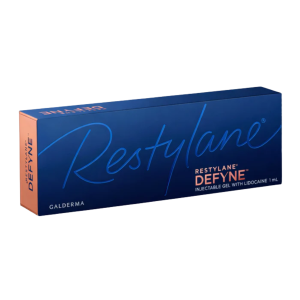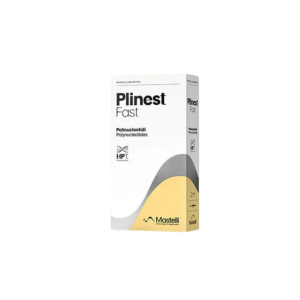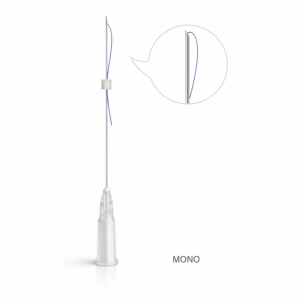

Yes, it is crucial to ensure that your accessories are compatible with professional-grade injectable products. Not only does this guarantee the safety and effectiveness of the treatments, but it also optimises the overall results. Using incompatible accessories can lead to complications or reduced efficacy, which is why understanding compatibility is essential for any practitioner working with injectables.
Understanding Compatibility
Compatibility between accessories and injectable products is determined by several factors, including the materials used in the accessories, the design and manufacturing standards, and the specific requirements of the injectable products themselves. Professional-grade injectables often demand high precision and sterile conditions, making it vital that the accessories used, such as syringes and needles, meet these standards. Accessories that are not designed for use with injectables may compromise the sterility or accuracy needed during treatment.
Materials and Design
The materials used in the manufacturing of accessories play a significant role in their compatibility with injectables. High-quality materials that are non-reactive and durable ensure that the accessories do not interfere with the chemical composition of the injectables. Additionally, the design of the accessories should facilitate precise application, allowing practitioners to deliver the product effectively and safely. Inferior materials or poorly designed accessories could lead to adverse reactions or suboptimal results.
Regulatory Standards
Compliance with regulatory standards is another critical aspect of ensuring compatibility. Accessories used with injectables should adhere to the guidelines set by health authorities to guarantee they are safe for professional use. These standards often cover aspects like sterility, material safety, and usability. Practitioners must verify that their accessories are certified and approved for use with professional-grade injectables to avoid any legal or safety issues. Being informed about these standards helps maintain high-quality care and enhances patient trust.

Ensuring compatibility between accessories and injectable products is fundamental for maintaining the integrity of aesthetic treatments. Practitioners should select accessories specifically designed for use with injectables to ensure safety and efficacy. This involves choosing brands and products known for adhering to industry standards and verified by regulatory bodies.
Proper training and knowledge about the products being used can further enhance compatibility. Practitioners who are well-informed about the specific requirements of the injectables they use can make better decisions regarding accessory selection. This not only improves treatment outcomes but also reduces the risk of adverse reactions and complications.
Regularly reviewing and updating the accessories used in practice is also beneficial. As technology and standards evolve, staying informed about the latest products and guidelines ensures that practitioners use the most compatible and effective tools available. This commitment to quality and safety is essential for achieving optimal results in aesthetic treatments.