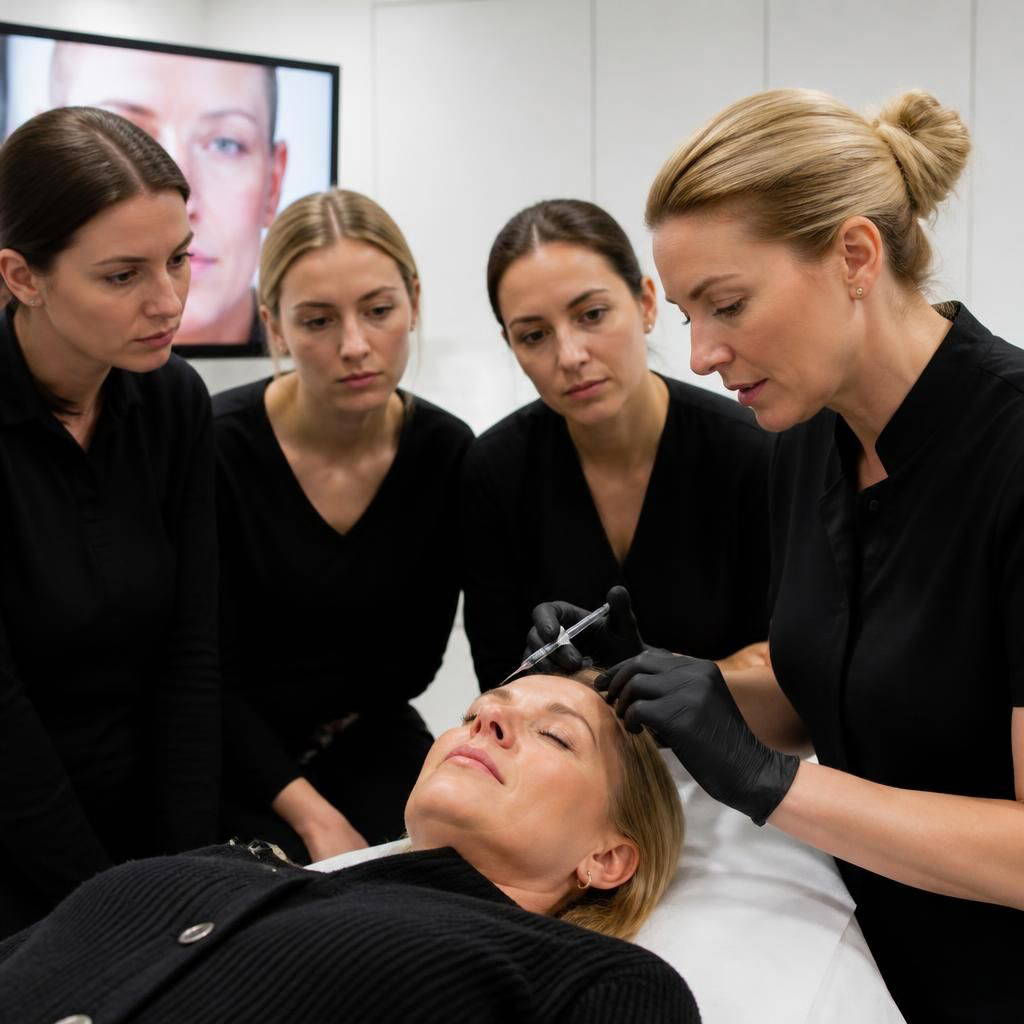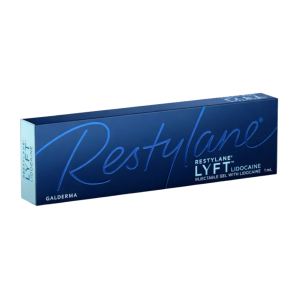

Yes, you can receive training and guidance on how to use dermal fillers effectively. Such training is crucial for ensuring both the safety and satisfaction of your clients. It typically covers a range of topics from the fundamental understanding of facial anatomy to the technical skills required for administering fillers. By engaging in professional training, practitioners can enhance their expertise and improve their service quality.
Understanding the Basics
Before delving into the application of dermal fillers, it is essential to have a comprehensive understanding of facial anatomy. This knowledge helps practitioners identify the best areas for filler application to achieve optimal results. Training programs often begin with this foundational knowledge, ensuring that practitioners are well-equipped to assess each client’s unique needs and facial structure. Understanding the different types of dermal fillers and their specific uses is also critical, as it allows practitioners to choose the most suitable product for each procedure.
Technical Skills and Techniques
Mastering the technical aspects of using dermal fillers is another critical component of effective training. This includes learning various injection techniques, understanding the appropriate depth and volume for injections, and recognising potential complications. Hands-on training sessions, often supervised by experienced professionals, provide practitioners with the opportunity to practice these skills in a controlled environment. Such practical experience is invaluable for building confidence and proficiency in administering fillers.
Client Consultation and Aftercare
Effective communication and consultation skills are vital for any practitioner working with dermal fillers. Training programs typically cover how to conduct thorough consultations, manage client expectations, and provide detailed aftercare advice. Understanding how to address client concerns and provide reassurance throughout the process can significantly enhance client satisfaction. Moreover, being knowledgeable about post-treatment care ensures that practitioners can offer comprehensive guidance, promoting quicker recovery and optimal results.
For those seeking to use dermal fillers effectively, professional training is a worthwhile investment. It provides the necessary knowledge and skills to perform procedures safely and efficiently. Training often includes both theoretical and practical components, ensuring that practitioners are well-prepared for real-world applications.
Additionally, many training programs offer ongoing support and resources, which can be invaluable as practitioners encounter new challenges and advancements in the field. Staying updated with the latest techniques and products through continuous education helps maintain a high standard of practice.
Ultimately, investing in training not only enhances a practitioner’s skill set but also builds trust with clients. By demonstrating a commitment to professional development, practitioners can reassure clients of their expertise, leading to improved client satisfaction and loyalty. This, in turn, can result in a more successful and reputable practice.