
Dermal fillers are a popular choice for treating glabella lines, also known as frown lines or ’11s’, which occur between the eyebrows. The best dermal fillers for this purpose are those that provide smooth, natural-looking results while ensuring safety and efficacy. Hyaluronic acid-based fillers are often favoured due to their ability to integrate well with skin tissue, offering both volume and hydration to the treated area.
Understanding Glabella Lines
Glabella lines form due to repeated muscle movement and the natural ageing process, where collagen and elastin levels in the skin decrease. These lines can give a tired or stern appearance, prompting many to seek solutions that restore a youthful look. Dermal fillers can temporarily reduce the appearance of these lines by smoothing the skin and providing volume where it has been lost. The choice of filler can significantly impact the duration and quality of the results.
Hyaluronic Acid Fillers
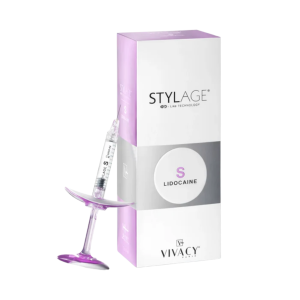
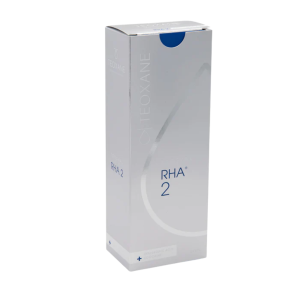
Hyaluronic acid (HA) fillers are widely used for glabella lines due to their biocompatibility and reversible nature. These fillers attract water to the injection site, creating a plumping effect that smooths the skin. HA fillers such as Restylane, Juvederm, and Belotero are commonly utilised, each offering different consistencies and cross-linking technologies to cater to various needs. Their effects can last from several months to over a year, depending on the specific product and individual skin characteristics.
Choosing the Right Filler
Choosing the right dermal filler involves considering factors such as skin type, the severity of the lines, and desired longevity of results. Consulting with a trained practitioner is essential, as they can recommend the most suitable product based on these factors and the latest advancements in filler technology. Practitioners must also consider the client’s overall facial structure to ensure natural-looking and harmonious results.

For those seeking effective treatment for glabella lines, understanding the types of dermal fillers available is crucial. Hyaluronic acid fillers are often preferred due to their safety profile and the natural results they offer. These fillers not only smooth out lines but also hydrate the skin, enhancing its overall appearance.
Another important consideration is the practitioner’s expertise. A skilled professional will assess the depth and severity of the glabella lines and recommend the most suitable filler, ensuring that the results are aesthetically pleasing and align with the client’s expectations. This personalised approach maximises the effectiveness of the treatment.
In conclusion, while there are various dermal fillers available for treating glabella lines, hyaluronic acid-based options are often recommended for their balance of efficacy and safety. By consulting with an experienced practitioner, clients can achieve optimal results that enhance their appearance and boost confidence.