
When it comes to addressing frown lines, both Botox and dermal fillers offer effective solutions, but they work in distinct ways. Botox is a neurotoxin that temporarily relaxes the muscles responsible for creating frown lines, resulting in a smoother appearance. Dermal fillers, on the other hand, add volume beneath the skin to fill in lines and wrinkles directly. Each has its advantages and specific use cases, making the choice highly dependent on individual needs and desired outcomes.
Understanding Botox
Botox is a popular treatment for dynamic wrinkles, such as frown lines, that form due to repeated muscle movements. By temporarily paralysing these muscles, Botox effectively smooths out these lines, typically lasting for three to four months. It is particularly beneficial for those looking for a non-invasive procedure with minimal downtime. Patients often appreciate the subtle, natural-looking results that Botox can deliver, enhancing their facial expressions without altering their overall appearance.
Exploring Dermal Fillers
Dermal fillers, composed of substances like hyaluronic acid, are designed to restore lost volume and smooth out static wrinkles. Unlike Botox, which targets the muscles, dermal fillers work by filling in the lines directly, providing immediate results. They are ideal for individuals seeking to address deeper lines or to add volume to areas such as the cheeks and lips. The longevity of dermal fillers varies, typically lasting between six months to two years, depending on the type of filler used and the treatment area.
Choosing the Right Treatment
The decision between Botox and dermal fillers for frown line removal largely depends on the nature of the lines and the desired outcome. Botox is often recommended for lines caused by muscle activity, such as those between the eyebrows. In contrast, dermal fillers are more suitable for deep, static lines that are present even when the face is at rest. Consulting with a qualified practitioner can help determine the most appropriate treatment, ensuring optimal results tailored to individual aesthetic goals.
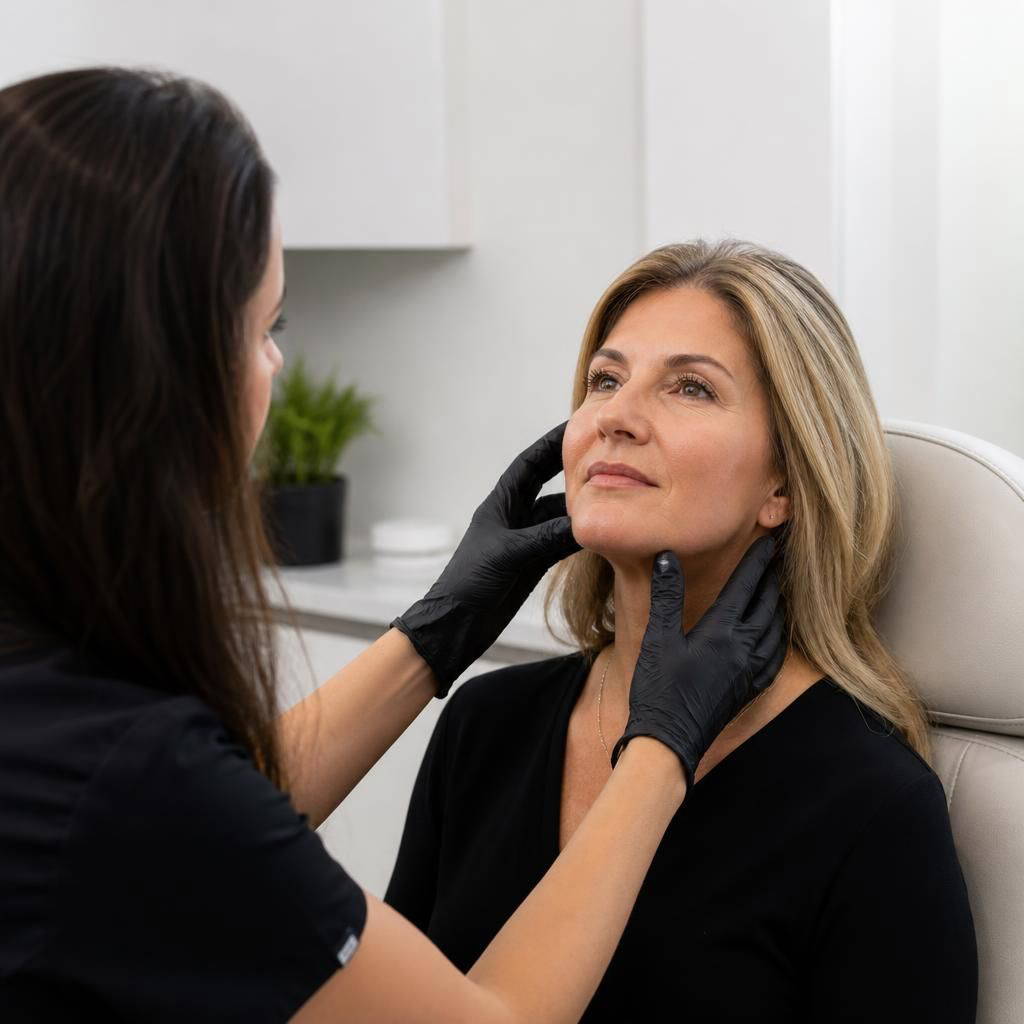
Both Botox and dermal fillers are effective for reducing the appearance of frown lines, yet they serve different purposes. Botox is best suited for dynamic lines caused by muscle movements, offering a temporary solution with minimal downtime. It’s ideal for those seeking quick results without significant alteration to their facial structure.
On the other hand, dermal fillers are more appropriate for static lines and can provide volume to areas that have lost fullness. They offer longer-lasting results, making them a preferred choice for those looking to address deeper wrinkles or add volume to specific facial regions.
Ultimately, the choice between Botox and dermal fillers should be guided by the specific characteristics of the frown lines and the desired aesthetic outcome. A professional consultation will enable a tailored approach, ensuring the chosen treatment aligns with the individual’s needs and expectations.