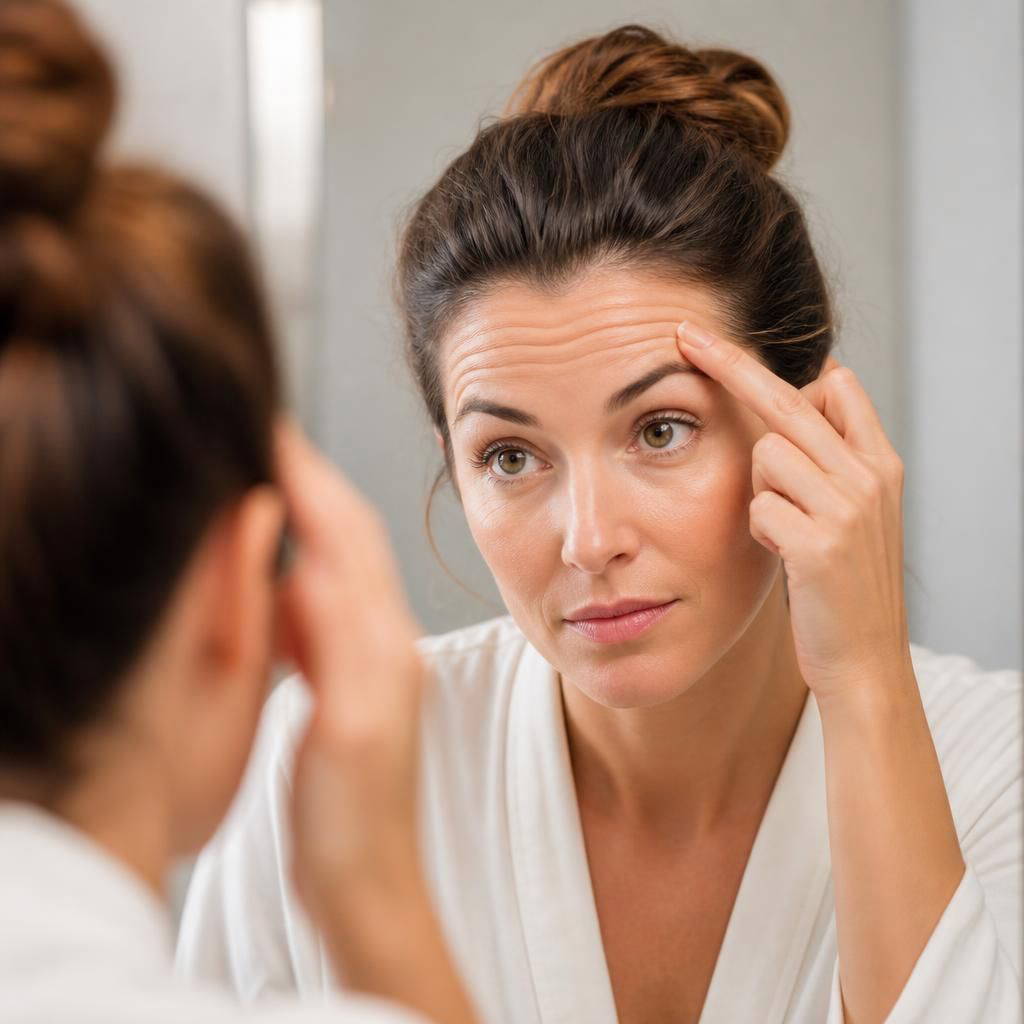

The effects of Botox for forehead wrinkles typically last between three to four months. This timeframe can vary based on individual factors such as metabolism, lifestyle, and the frequency of treatments. Botox works by temporarily paralysing the muscles responsible for creating wrinkles, resulting in a smoother appearance. Over time, the effects diminish as the body metabolises the toxin.
Understanding Botox Longevity
Botox longevity depends on several factors, including the dosage administered and the individual’s unique physiological traits. The initial effects can often be seen within a few days, with full results visible after about two weeks. As the treatment begins to wear off, muscle activity gradually returns, and wrinkles may start to reappear. Regular maintenance sessions are recommended to sustain the desired aesthetic results. The consistency of follow-up treatments can also influence how long the effects last, as repeated use may prolong the duration of results.
Factors That Influence Botox Duration
Individual factors like age, skin condition, and lifestyle choices can significantly impact how long Botox effects last. Younger individuals with more elastic skin may experience longer-lasting results compared to older clients with less skin elasticity. Additionally, lifestyle habits such as smoking or excessive sun exposure can accelerate the breakdown of Botox. It’s also important to consider the practitioner’s expertise and technique, as these can affect the precision and longevity of the treatment. Choosing a qualified professional ensures not only safety but also optimises the duration of the results.
Optimising Botox Outcomes
To maximise the effects of Botox, patients are advised to follow post-treatment care guidelines provided by their practitioners. Avoiding strenuous activities, refraining from rubbing the treated area, and adhering to any additional care instructions can help extend the duration of the effects. Furthermore, maintaining a healthy lifestyle, including a balanced diet and adequate hydration, supports overall skin health and can potentially prolong Botox’s efficacy. Regular consultations with a skincare specialist ensure that the treatment plan remains effective and aligns with the patient’s aesthetic goals.
The longevity of Botox effects can vary, but on average, clients can expect results to last for three to four months. This duration is influenced by the individual’s metabolism and how quickly their body processes the toxin. Regular treatments can help maintain the desired look, as repeated sessions may gradually extend the time between appointments.
Several factors can influence how long Botox lasts, including the area treated and the dosage used. For the forehead, where muscle activity is generally higher, the effects might wear off slightly faster compared to areas with less movement. It’s important for patients to discuss their specific needs and expectations with their practitioner to tailor the treatment plan accordingly.
Ultimately, maintaining open communication with a qualified practitioner is key to achieving optimal results. By understanding the variables that affect Botox longevity, clients can make informed decisions and enjoy smoother, younger-looking skin for as long as possible.