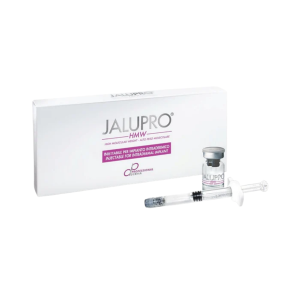

Nose fillers, also known as non-surgical rhinoplasty, can involve risks and side effects, much like any other cosmetic procedure. Common side effects include redness, swelling, and bruising at the injection site. More serious complications, although rare, can include infection, filler migration, or even vascular complications if not administered properly. It’s imperative to consult with a qualified professional to minimise these risks.
Understanding the Procedure
Nose fillers typically involve the injection of hyaluronic acid-based dermal fillers to reshape the nasal bridge. This non-surgical option is popular due to its minimally invasive nature and immediate results. However, understanding the procedure fully is crucial. The filler is strategically injected to enhance the nasal profile, primarily focusing on smoothing bumps or elevating the bridge. In the hands of an experienced practitioner, the procedure can be safe and effective, offering temporary results that last between 6 to 18 months.
Potential Side Effects
Common side effects from nose filler procedures include temporary redness, swelling, and bruising. These are generally mild and subside within a few days. However, practitioners should be aware of more severe risks, such as infection or filler migration, which might require medical intervention. In rare cases, complications can arise from inadvertent intravascular injection, leading to tissue necrosis or blindness. Therefore, comprehensive knowledge and skill are essential for any practitioner performing this procedure.
Ensuring Safe Practice
To ensure the safety and satisfaction of clients, it is crucial that practitioners are thoroughly trained and use high-quality products. Pre-procedure consultations to discuss expectations and potential risks are vital. Additionally, post-procedure care must be communicated clearly to the client to aid in recovery and minimise complications. Using sterile techniques and adhering to established protocols can significantly reduce the likelihood of adverse effects.
Nose fillers offer an appealing solution for those seeking non-surgical enhancement of the nasal bridge. However, understanding the potential risks is essential for both practitioners and clients. While common side effects are typically mild and temporary, awareness of more serious complications is crucial.
Practitioners must maintain a high level of expertise and adhere to strict safety protocols to minimise risks. Using high-quality, approved dermal fillers and performing a thorough assessment of the client’s medical history can further ensure safety. Clients should be informed of all potential side effects and the importance of following post-treatment care instructions.
Ultimately, the key to a successful nose filler procedure lies in the skill of the practitioner and the quality of the product used. By prioritising safety and open communication with clients, practitioners can achieve effective and satisfactory results while minimising potential risks associated with nose fillers.