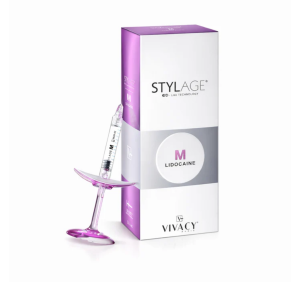

The cost of fillers around the mouth compared to jaw fillers can vary significantly based on several factors including the type of filler used, the amount required, and the expertise of the practitioner. Generally, jaw fillers may be priced higher due to the larger volume of product typically required and the complexity of contouring the jawline. Conversely, fillers around the mouth often involve smaller quantities, resulting in a lower overall cost. However, prices can fluctuate depending on geographical location and the specific goals of the treatment.
Factors Influencing Cost
When considering the cost of fillers, it is essential to understand the variables that influence pricing. The type of filler material chosen plays a crucial role, with hyaluronic acid fillers being among the most popular for both mouth and jaw areas. The brand and longevity of the filler also affect the price, as longer-lasting products often come at a premium. The experience and reputation of the practitioner can further impact the cost, with more seasoned professionals typically charging higher fees for their expertise.
Comparing Treatment Areas
The mouth area, which includes treatments like lip augmentation and nasolabial fold filling, usually requires less product and time, making it more affordable than jawline contouring. Jaw fillers, on the other hand, involve shaping and defining the jawline, which often necessitates a greater volume of filler and a more intricate procedure. This complexity usually translates to higher costs. Patients should consider their aesthetic goals and budget when deciding between these treatments.
Geographical Variations
The cost of dermal fillers can also vary widely based on location. In metropolitan areas with a high demand for cosmetic procedures, prices may be elevated compared to rural regions. Additionally, the regulatory environment and availability of qualified practitioners can influence pricing. Patients are advised to research and consult with multiple clinics to obtain a comprehensive understanding of the costs involved in their area.
When considering fillers, it’s important to weigh both the cost and the desired outcome. Mouth fillers are generally less expensive due to the smaller volume required and the relatively straightforward nature of the procedure. They are ideal for addressing concerns like fine lines and enhancing lip volume.
In contrast, jaw fillers often require a larger quantity of product and a more detailed approach to achieve the desired contour and definition. This results in a higher overall cost but can provide a more dramatic enhancement to facial structure, making it a worthwhile investment for those seeking significant changes.
Ultimately, the choice between mouth and jaw fillers should be informed by personal aesthetic goals and budget considerations. Consulting with a qualified practitioner can provide valuable insights into the most suitable treatment options, ensuring that patients achieve the best possible results within their financial means.