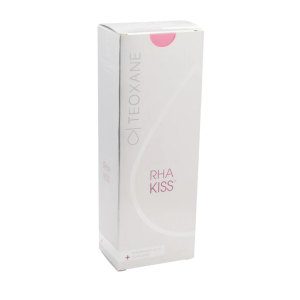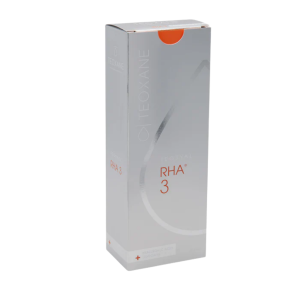

Polynucleotide booster injections and hyaluronic acid fillers are both popular treatments in the realm of aesthetic medicine, each serving distinct purposes. Polynucleotide boosters primarily focus on skin rejuvenation, enhancing skin quality, and promoting cellular repair. In contrast, hyaluronic acid fillers are designed to add volume, contour, and reduce the appearance of wrinkles. Understanding these differences helps practitioners select the appropriate treatment for their clients’ specific needs.
Understanding Polynucleotide Booster Injections
Polynucleotide booster injections are an innovative approach to skin rejuvenation. They work by introducing polynucleotides, which are naturally occurring chains of nucleotides, into the skin. These substances aid in tissue repair and promote the regeneration of skin cells. The treatment enhances skin elasticity, hydration, and overall appearance. Polynucleotide boosters are particularly effective for improving skin texture, reducing fine lines, and providing a youthful glow. This treatment is often recommended for individuals with dull, tired-looking skin or those looking to improve skin resilience.
Hyaluronic Acid Fillers Explained
Hyaluronic acid fillers are widely used to address volume loss and contour deficiencies. They work by injecting hyaluronic acid, a naturally occurring substance in the skin, to fill in wrinkles, enhance facial contours, and restore lost volume. This treatment is especially beneficial for areas such as the cheeks, lips, and nasolabial folds. Hyaluronic acid fillers provide immediate results, making them a popular choice for individuals seeking quick improvements in their facial aesthetics. The effects typically last from six months to a year, depending on the product used and the area treated.
Comparative Analysis
While both treatments offer aesthetic benefits, they serve different purposes. Polynucleotide booster injections are ideal for those seeking overall skin enhancement and long-term rejuvenation. They improve skin quality at a cellular level, offering gradual and natural-looking results. On the other hand, hyaluronic acid fillers are preferred for immediate volumisation and contouring. They are effective for targeting specific areas where volume loss is a concern. Choosing between these treatments depends on the desired outcome, the client’s skin condition, and the practitioner’s expertise.
In comparing polynucleotide booster injections to hyaluronic acid fillers, the primary distinction lies in their purpose and effect. Polynucleotide boosters focus on enhancing the skin’s natural ability to repair and regenerate, leading to improved texture and elasticity over time. They are ideal for individuals looking for a gradual, natural improvement in their skin’s appearance.
Conversely, hyaluronic acid fillers provide immediate results by adding volume and smoothing out wrinkles. They are particularly suited for clients who wish to address specific areas of volume loss or achieve facial contouring. The results from fillers are visible right after the procedure and can last several months.
Ultimately, the choice between these treatments depends on the client’s goals and skin condition. Polynucleotide boosters offer a subtle, long-term improvement, while hyaluronic acid fillers give instant, targeted enhancement. Both treatments have their place in aesthetic medicine, offering unique benefits tailored to individual needs.