
Proper aftercare following polynucleotide injections is crucial to achieving optimal results and ensuring client satisfaction. This involves a series of steps that aim to minimise any potential side effects and promote healing. By adhering to recommended guidelines, individuals can enhance the effectiveness of their treatment and maintain skin health.
Understanding Polynucleotide Injections
Polynucleotide injections are a form of aesthetic treatment that involves the delivery of DNA fragments into the skin. These injections stimulate cellular regeneration and improve skin texture and elasticity. They are becoming increasingly popular for their ability to rejuvenate the skin without invasive procedures. After the procedure, the skin requires careful attention to ensure the injected substances work effectively and the skin heals properly.
Immediate Aftercare Steps
Immediately following polynucleotide injections, it is important to avoid touching the treated area to prevent infection. Patients should also refrain from applying makeup or skincare products for at least 12 hours. Applying a cold compress can help reduce swelling and discomfort. It is advisable to avoid exposure to direct sunlight, and the use of sunscreen is highly recommended to protect the skin.
Long-term Care Considerations
In the days following the treatment, maintaining a gentle skincare routine is vital. Patients should use mild cleansers and avoid exfoliating products that might irritate the skin. Staying hydrated and maintaining a healthy diet can also support the skin’s healing process. Regular follow-up appointments with the practitioner can help monitor the skin’s progress and address any concerns that arise.
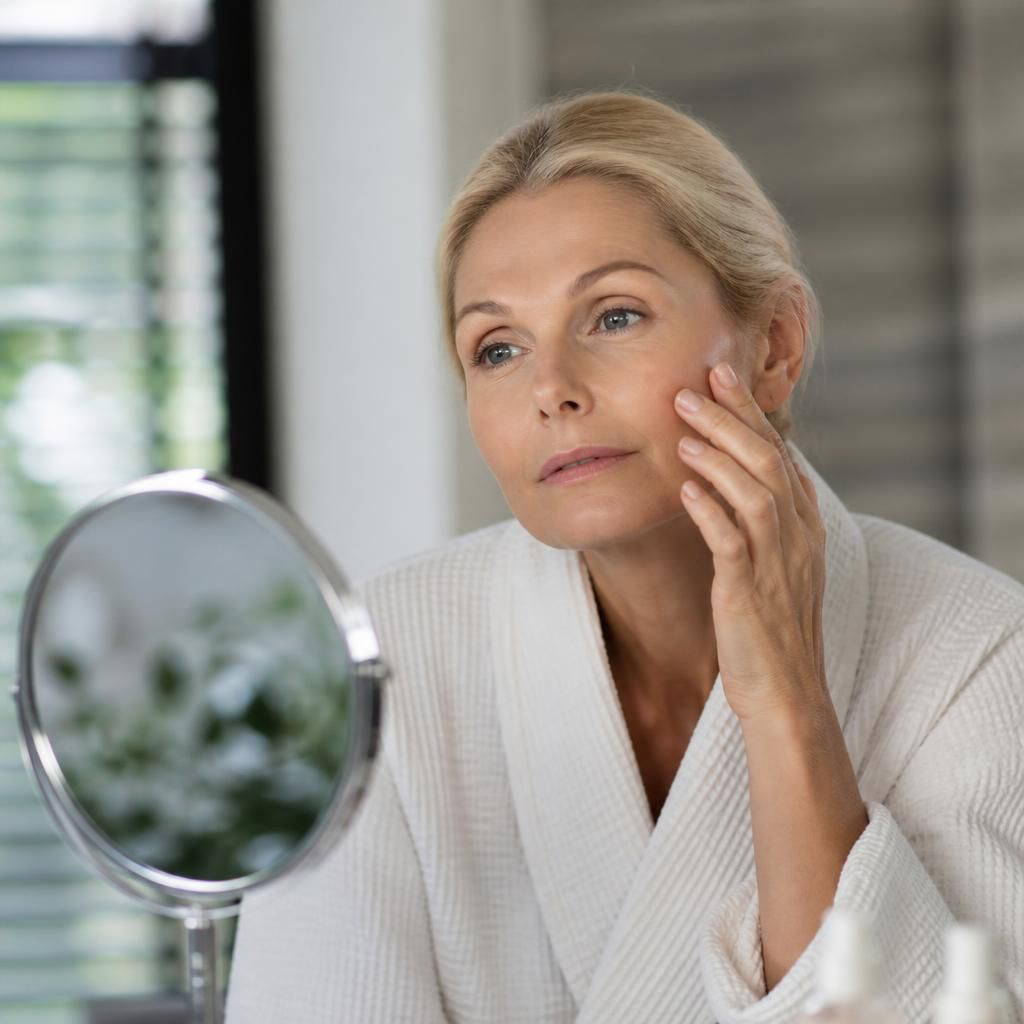
Adhering to aftercare guidelines is essential for maximising the benefits of polynucleotide injections. Clients should be informed about the importance of gentle skincare practices and the avoidance of harsh chemicals on the treated areas. This ensures the skin remains calm and receptive to the regenerative properties of the treatment.
Incorporating a balanced diet rich in vitamins and antioxidants can further support skin health. Nutrients such as vitamin C and omega-3 fatty acids play a crucial role in collagen production and skin repair. Clients should be encouraged to maintain a healthy lifestyle to complement their aesthetic treatments.
Regular communication with the practitioner is also important. Clients should feel comfortable reaching out with any concerns or questions about their recovery process. This open line of communication helps in promptly addressing any unusual symptoms and provides reassurance, contributing to overall client satisfaction.