
Fractional CO2 laser resurfacing is a highly effective skin rejuvenation treatment that offers significant benefits compared to other methods. It works by using a carbon dioxide laser to create microscopic wounds in the skin, encouraging the body’s natural healing processes to produce new skin cells and collagen. This results in smoother, firmer, and more evenly toned skin. While other treatments like chemical peels and microdermabrasion can also improve skin texture and appearance, fractional CO2 laser resurfacing typically provides more dramatic and longer-lasting results.
The Science Behind Fractional CO2 Laser Resurfacing
The fractional CO2 laser works by emitting light energy in a fractionated pattern, targeting specific areas of the skin while leaving surrounding tissues intact. This precision allows for deeper penetration and more effective collagen stimulation than many other treatments. The laser’s ability to precisely target skin imperfections makes it ideal for treating fine lines, wrinkles, acne scars, and sun damage. The controlled nature of the treatment also means that recovery time is generally shorter compared to traditional laser resurfacing methods.
Comparing Fractional CO2 with Chemical Peels and Microdermabrasion
Chemical peels involve applying a solution to the skin to remove its outer layers, promoting new skin growth. While effective, the results are typically less dramatic than those achieved with fractional CO2 laser resurfacing, and multiple sessions may be required. Microdermabrasion, on the other hand, exfoliates the skin using tiny crystals or a diamond-tipped wand, offering a more superficial treatment. While it can be beneficial for minor skin concerns, it does not penetrate deeply enough to stimulate significant collagen production like fractional CO2 does.
Suitability and Considerations
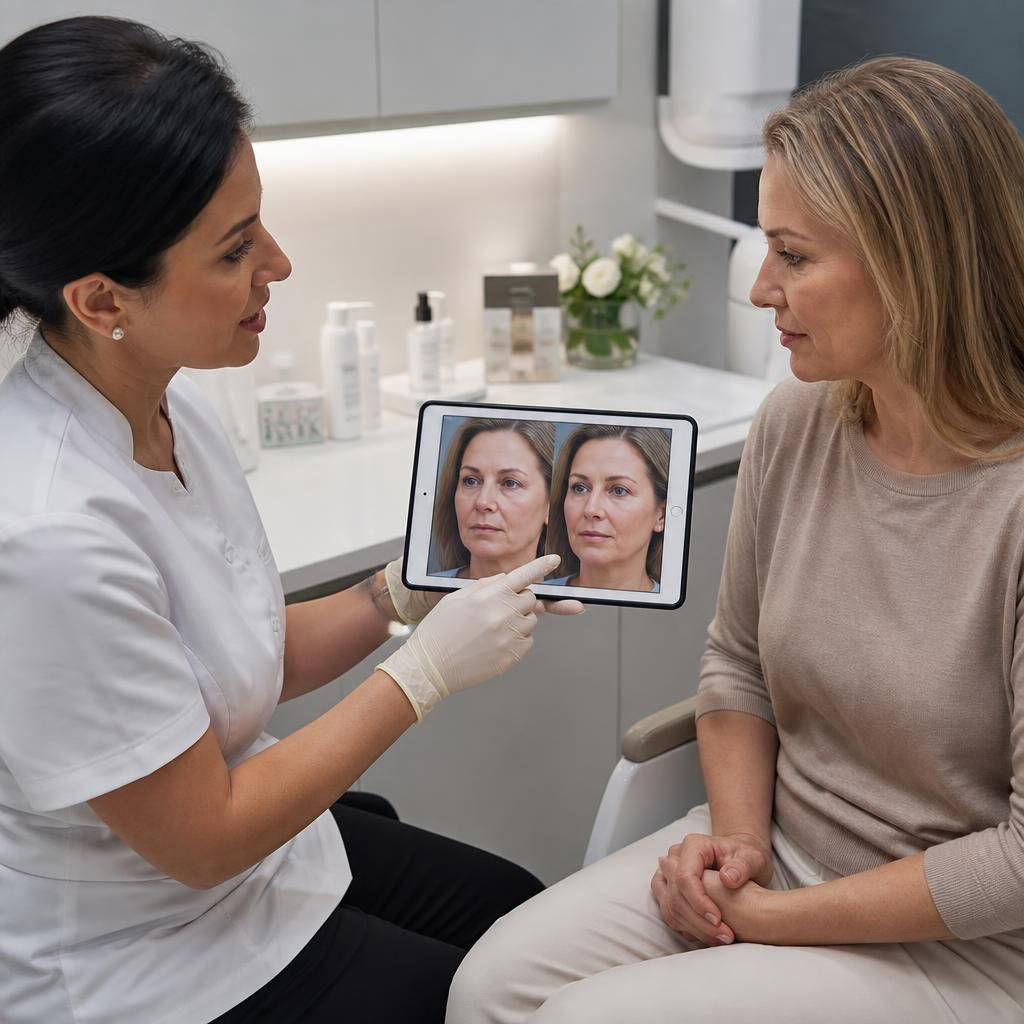
When considering skin rejuvenation options, it is essential to evaluate individual skin types and concerns. Fractional CO2 laser resurfacing is suitable for those seeking significant improvement in skin texture and tone, particularly for moderate to severe concerns. However, it may not be appropriate for every skin type, particularly darker skin tones, due to the risk of pigmentation changes. Consulting with a qualified practitioner can help determine the most suitable treatment option based on individual needs and skin characteristics.
Fractional CO2 laser resurfacing stands out among skin rejuvenation treatments due to its ability to deliver substantial and long-lasting results. Its precision in targeting specific skin areas allows for effective treatment of various concerns, including wrinkles and acne scars. This method promotes collagen production, leading to firmer and rejuvenated skin.
In comparison to chemical peels and microdermabrasion, fractional CO2 laser resurfacing offers deeper penetration and more dramatic improvements. While chemical peels can enhance skin texture, their effects are often less pronounced, and multiple sessions may be needed. Microdermabrasion, being a more superficial treatment, cannot match the depth and efficacy of fractional CO2 lasers.
Choosing the right treatment depends on individual skin types and concerns. Fractional CO2 laser resurfacing is particularly beneficial for those seeking significant improvements, though it may not be suitable for all skin tones. Consulting with a professional ensures a tailored approach for optimal results.