
Microneedling and mesotherapy are two distinct aesthetic treatments often employed for different purposes, though they share some similarities. Microneedling is primarily used for skin rejuvenation, including the reduction of frown lines, whereas mesotherapy is more commonly associated with addressing hair loss. Both treatments involve the use of needles, but their techniques and intended outcomes differ significantly. Microneedling utilises fine needles to create controlled micro-injuries in the skin, stimulating collagen production and improving skin texture. In contrast, mesotherapy involves injecting a cocktail of vitamins, enzymes, and other substances directly into the scalp to nourish and stimulate hair follicles.
Microneedling for Frown Lines
Microneedling, also known as collagen induction therapy, is a minimally invasive procedure designed to enhance the appearance of the skin by reducing wrinkles and fine lines. The process involves a device equipped with multiple tiny needles that create micro-injuries in the skin. This stimulates the body’s natural wound healing process, promoting the production of collagen and elastin. As a result, the skin becomes firmer, and the appearance of frown lines diminishes over time. Microneedling is suitable for various skin types and is often preferred due to its minimal downtime and natural results. The procedure can be customised by adjusting needle depth and frequency, ensuring a tailored approach to each individual’s skin concerns.
Mesotherapy for Hair Loss
Mesotherapy is a technique that involves injecting a mixture of vitamins, minerals, amino acids, and medications into the middle layer of the skin (mesoderm). This treatment is particularly effective for addressing hair loss, as it delivers essential nutrients directly to the scalp, promoting hair growth and strengthening hair follicles. Mesotherapy can help improve blood circulation, reduce inflammation, and stimulate dormant hair follicles, potentially reversing hair thinning and loss. While the procedure is primarily associated with hair restoration, it can also be adapted for other skin concerns, such as cellulite reduction and skin rejuvenation. It is generally considered safe, with minimal side effects and downtime.
Comparing Two Distinct Treatments
When comparing microneedling for frown lines and mesotherapy for hair loss, it is crucial to consider the intended outcomes and specific applications of each treatment. Microneedling is primarily focused on enhancing skin texture and reducing signs of ageing, making it a suitable option for individuals seeking to diminish frown lines and improve overall skin quality. On the other hand, mesotherapy is tailored towards addressing hair loss and promoting hair growth, making it ideal for those experiencing thinning hair or baldness. While both treatments involve the use of needles, their techniques, formulations, and target areas distinguish them. Ultimately, the choice between microneedling and mesotherapy will depend on the individual’s specific aesthetic goals and concerns.
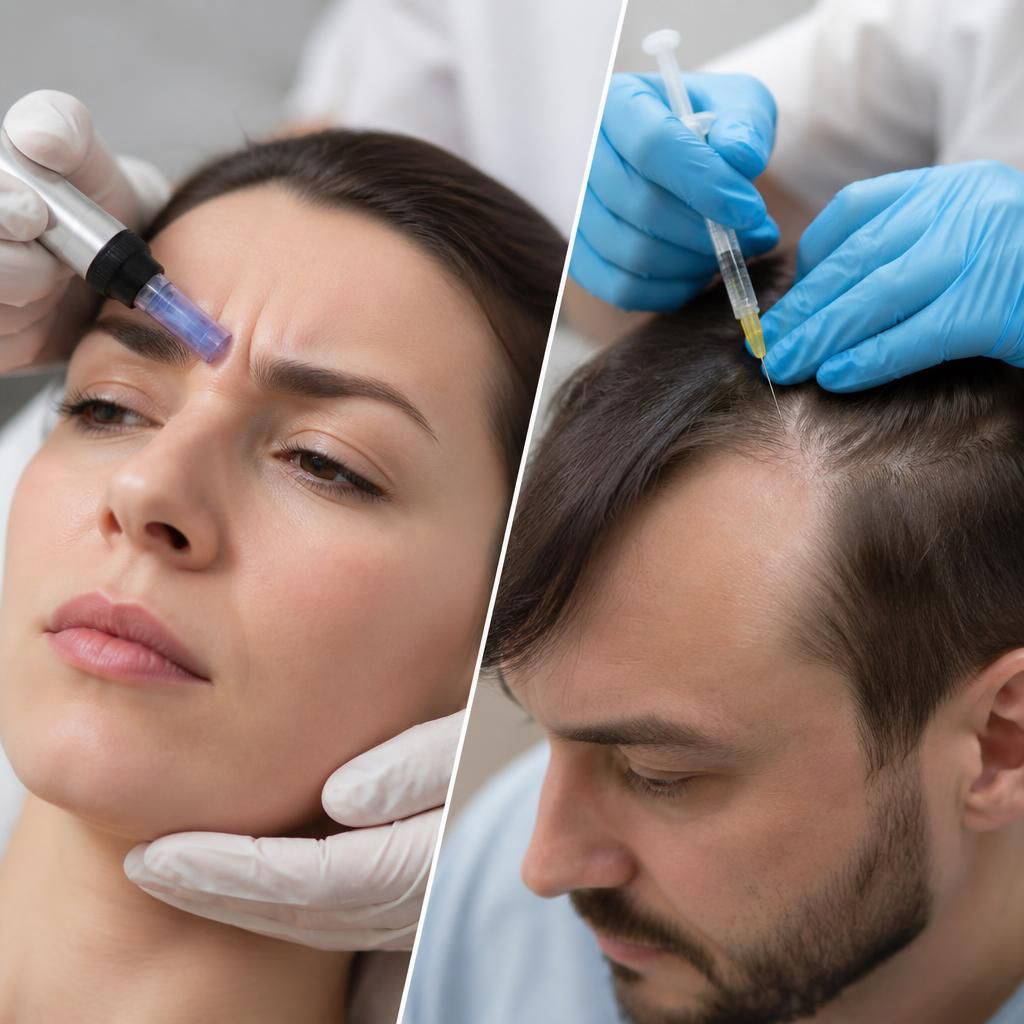
Microneedling and mesotherapy serve different aesthetic purposes, with microneedling focusing on skin rejuvenation and mesotherapy targeting hair loss. While microneedling enhances collagen production to reduce frown lines, mesotherapy delivers nutrients to the scalp to promote hair growth.
Both treatments involve needle use but differ in technique and application. Microneedling creates controlled skin injuries for collagen stimulation, while mesotherapy injects nutrient solutions into the scalp to nourish hair follicles. These differences highlight their distinct roles in aesthetic treatments.
Choosing between microneedling and mesotherapy depends on individual goals. For reducing frown lines, microneedling is effective in improving skin texture. For addressing hair loss, mesotherapy offers a targeted approach to stimulate hair growth. Understanding these differences can guide individuals in selecting the most suitable treatment for their needs.