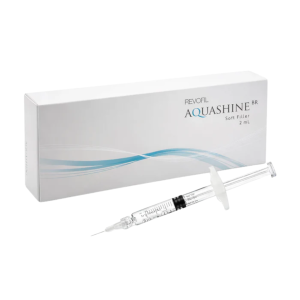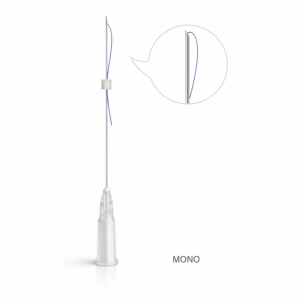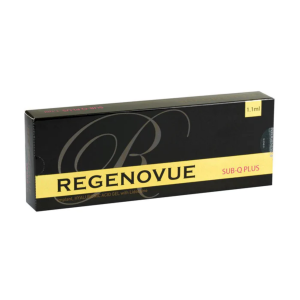

The pricing of jawline fillers and mesotherapy treatments is influenced by a multitude of factors, including the type of product used, practitioner expertise, and geographical location. Understanding these elements is crucial for clinics and practitioners to develop competitive and fair pricing strategies that reflect the quality and efficacy of their services.
Product Quality and Brand
One of the primary factors influencing the cost of jawline fillers and mesotherapy treatments is the quality and brand of the product used. High-quality, well-reputed brands tend to be more expensive due to their proven efficacy and safety profiles. These products often undergo rigorous testing and are manufactured under strict standards, ensuring consistent results. Consequently, practitioners may charge more for treatments using premium products, as they can provide clients with reliable outcomes and peace of mind. Conversely, lower-priced products might not offer the same level of assurance, potentially impacting the overall treatment cost.
Practitioner Expertise and Experience
The expertise and experience of the practitioner performing the treatment significantly affect the pricing. Experienced practitioners, who have honed their skills over many years and have a track record of successful outcomes, may charge higher fees. This is because their expertise reduces the risk of complications and enhances the likelihood of achieving the desired aesthetic results. Additionally, practitioners who invest in continuous professional development and training in the latest techniques can justify higher prices, as they bring advanced knowledge and capabilities to their practice. Patients are often willing to pay a premium for the assurance of being treated by a highly skilled professional.
Geographical Location and Clinic Overheads
Geographical location plays a critical role in determining the cost of jawline fillers and mesotherapy treatments. Clinics situated in metropolitan areas or affluent neighbourhoods often have higher operational costs, including rent and salaries, which are reflected in their pricing. Moreover, clinics in such locations may cater to a clientele willing to pay more for convenience and exclusivity. Conversely, clinics in less urbanised areas may offer lower prices due to reduced overheads and a different market demand. Understanding the local economic landscape and client demographics is essential for setting appropriate pricing that aligns with the clinic’s financial objectives and client expectations.
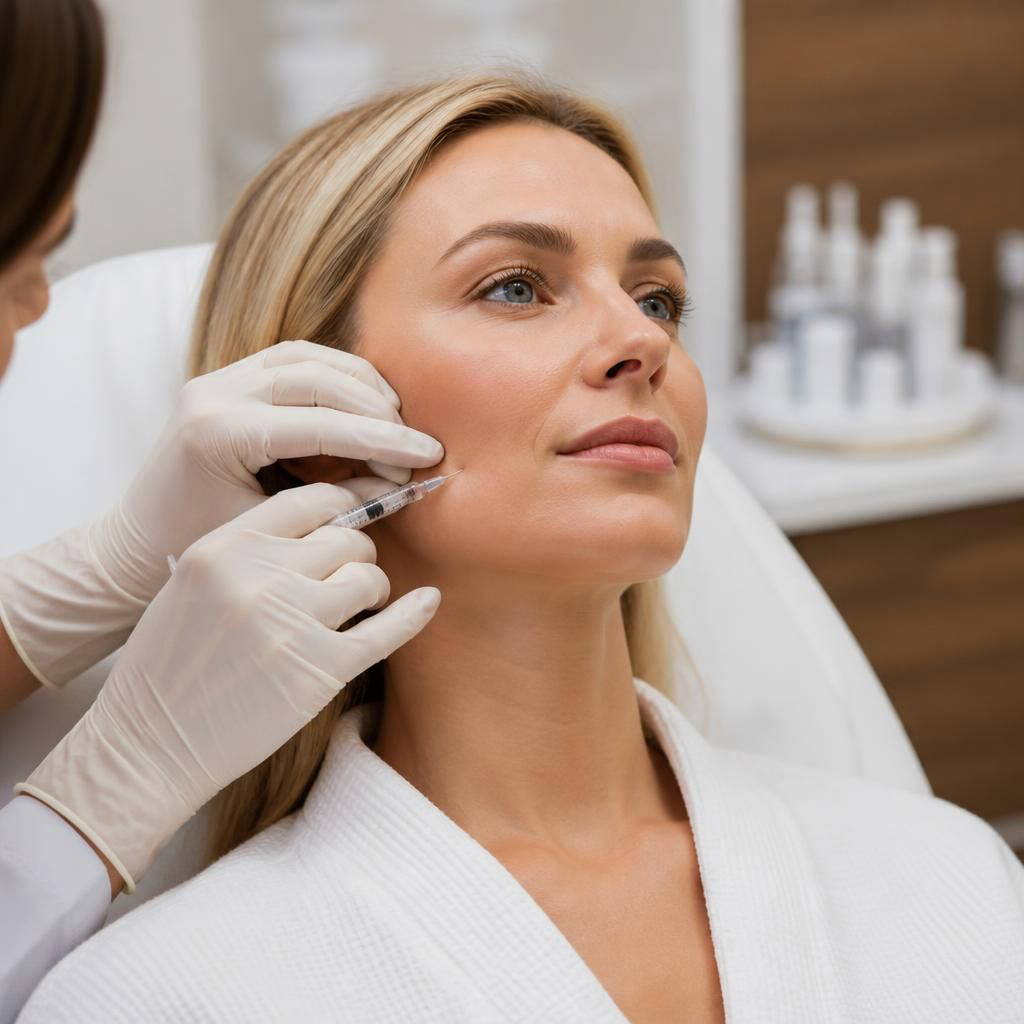
The type of filler or mesotherapy product used is a significant determinant of treatment cost. Premium products often carry higher prices due to their enhanced safety and effectiveness, making them a preferred choice for both practitioners and clients seeking quality results.
Practitioner expertise is another critical factor. Experienced practitioners who possess advanced skills and a successful track record typically charge more, reflecting the value of their expertise in delivering safe and satisfactory outcomes.
Additionally, clinic location influences pricing. Urban and high-demand areas may see higher treatment costs due to elevated operational expenses and a clientele willing to pay for convenience and exclusivity. Conversely, clinics in less central locations might offer more competitive pricing.