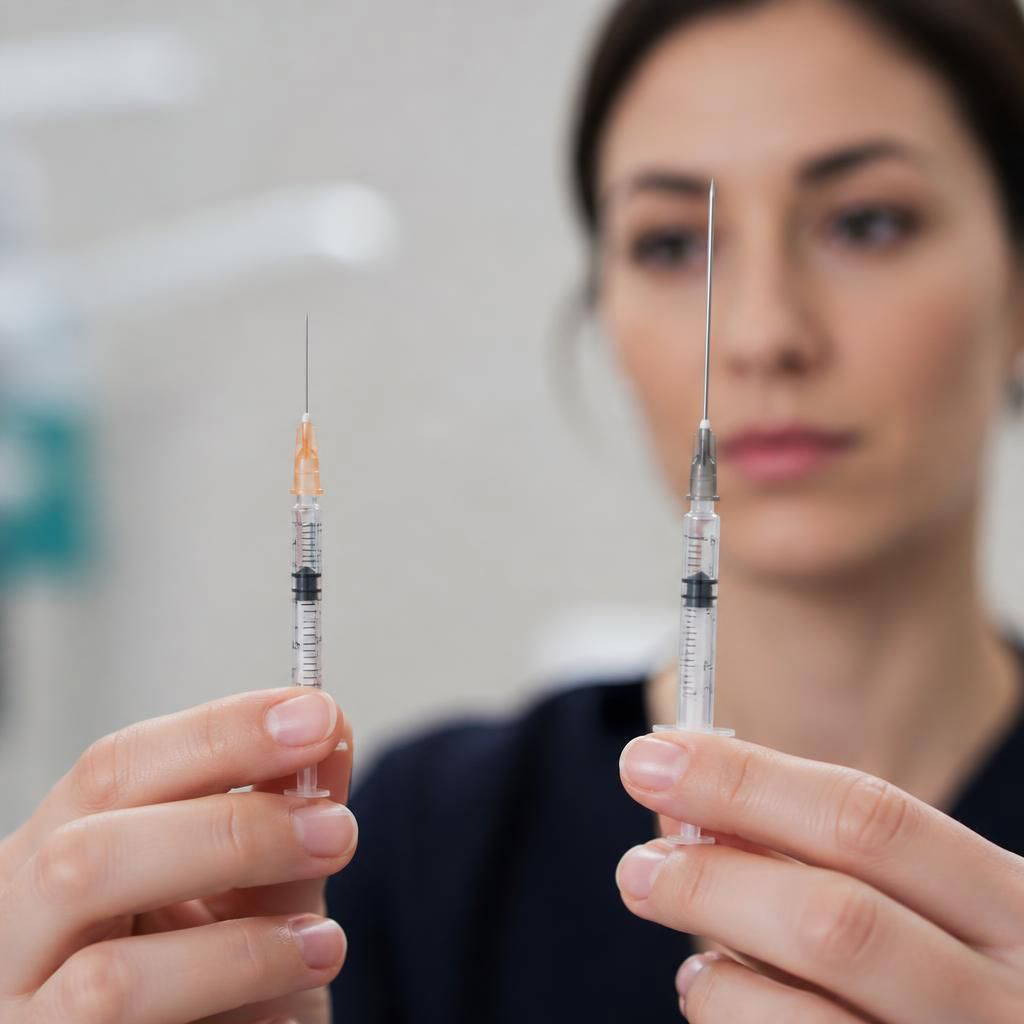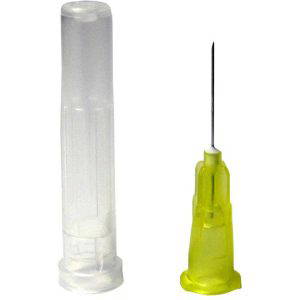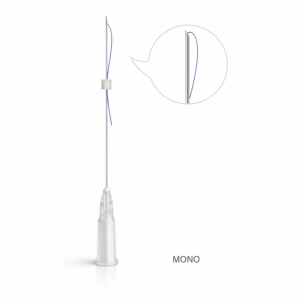

The primary difference between a 30 gauge needle and a 23 gauge needle lies in their diameter size. A 30 gauge needle is thinner and more delicate, while a 23 gauge needle is thicker and more robust. These differences impact the applications for which each needle is best suited, with the choice often depending on the specific medical or aesthetic procedure being performed.
Understanding Needle Gauge
Needle gauge refers to the diameter of the needle; the higher the gauge number, the thinner the needle. A 30 gauge needle is exceptionally fine, often used when precision is paramount, such as in delicate facial procedures or when administering treatments that require minimal discomfort. In contrast, a 23 gauge needle is thicker and is generally used for procedures that require the injection of more viscous substances or when faster delivery is needed. The choice between the two depends significantly on the intended use and patient comfort.
Applications and Considerations
The choice of needle gauge impacts the injection experience and the outcome of the procedure. A 30 gauge needle is typically used in aesthetic treatments where minimal tissue trauma and high precision are required, such as in administering botulinum toxin or other facial injectables. Its fine size reduces discomfort and bruising, making it ideal for sensitive areas. On the other hand, a 23 gauge needle is more commonly used in medical settings where a larger volume of liquid needs to be delivered efficiently, such as in intramuscular injections or in drawing blood.
Patient Comfort and Procedure Efficiency
The comfort of the patient and the efficiency of the procedure are critical considerations when selecting a needle. A thinner needle, like a 30 gauge, is preferred in scenarios where patient comfort is a priority, as it causes less pain and tissue damage. However, for injections requiring a larger volume or thicker substances, a 23 gauge needle may be necessary despite the potential for increased discomfort. The practitioner must weigh these factors to ensure the best outcomes for both the patient and the procedure.
Injections require careful consideration of the needle gauge to match the specific needs of the procedure. For delicate and precise applications, such as facial aesthetics, a 30 gauge needle is favoured due to its fine diameter, which minimises discomfort and reduces bruising. This makes it ideal for treatments requiring high precision and patient comfort.
Conversely, a 23 gauge needle is more suitable for procedures that involve larger volumes or thicker substances, such as intramuscular injections. Its larger diameter allows for quicker administration and is often preferred in medical settings where efficiency is crucial. However, it may result in slightly more discomfort for the patient.
Ultimately, the choice between a 30 gauge and a 23 gauge needle should be made based on the specific requirements of the procedure, the nature of the substance being injected, and the desired balance between patient comfort and procedural efficiency.