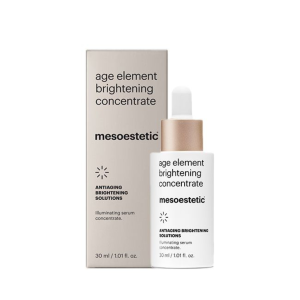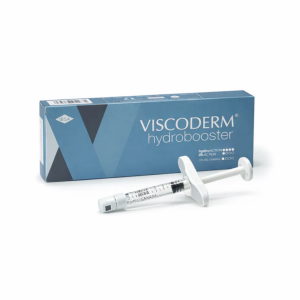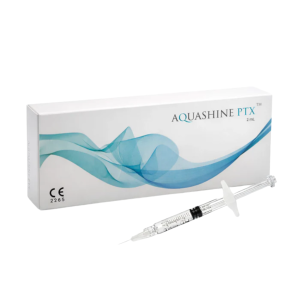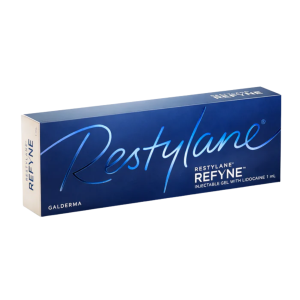

The aesthetic equipment add-ons provided meet rigorous safety standards to ensure they are reliable and effective for clinical use. These standards are in place to protect patients and practitioners alike, ensuring that the equipment functions correctly and safely during aesthetic procedures. Compliance with these standards is essential for maintaining trust and delivering high-quality care in any medical setting.
Compliance with Regulatory Bodies
All aesthetic equipment add-ons must adhere to regulations set by authoritative bodies such as the Medicines and Healthcare products Regulatory Agency (MHRA) in the UK. These regulations ensure that all products meet specific safety and quality criteria before they can be used in clinical settings. This includes thorough testing and evaluation of the materials and components used in the equipment. Compliance with these standards not only guarantees the safety of the equipment but also helps clinics maintain their reputation for providing high-quality care.
Quality Assurance and Testing
Before any aesthetic equipment add-on is released to the market, it undergoes rigorous quality assurance processes. This includes a series of tests to evaluate the efficacy and safety of the product in real-world scenarios. Testing ensures that the equipment can withstand the demands of clinical use and continue to function optimally over time. These quality assurance measures are crucial for ensuring that the equipment performs as expected and does not pose any risk to patients or operators.
Continuous Monitoring and Improvement
Even after aesthetic equipment add-ons have been approved for use, continuous monitoring and improvement processes are in place to ensure ongoing safety and effectiveness. This involves regular reviews of the equipment’s performance, as well as feedback from practitioners who use the products in their clinics. Any issues identified during these reviews can lead to improvements in design or functionality, ensuring that the equipment remains at the forefront of safety and innovation in the aesthetic industry.
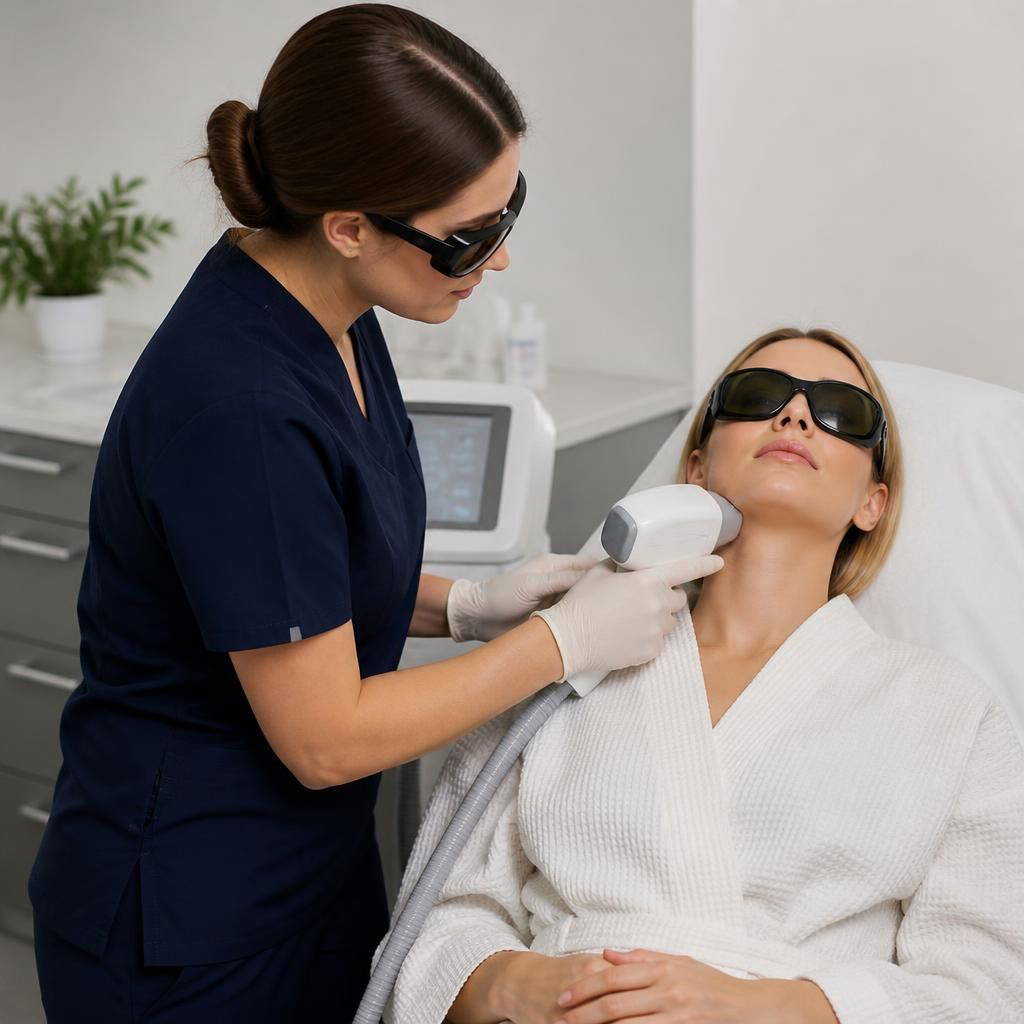
Ensuring the safety of aesthetic equipment add-ons is a top priority for manufacturers and regulatory bodies alike. By adhering to stringent safety standards, these products provide peace of mind to both practitioners and patients, knowing that they are using equipment that has been thoroughly vetted for quality and reliability.
The rigorous testing and quality assurance processes that aesthetic equipment add-ons undergo are designed to identify any potential issues before they reach clinical settings. This proactive approach helps to maintain high standards of safety and performance, reducing the likelihood of complications during aesthetic procedures.
Ultimately, the continuous monitoring and feedback mechanisms in place for aesthetic equipment add-ons ensure that these products remain at the cutting edge of safety and innovation. By consistently evaluating and improving these products, manufacturers can provide practitioners with the tools they need to deliver safe and effective care to their patients.