
Face resurfacing treatments at a professional beauty clinic typically involve a series of procedures aimed at rejuvenating the skin by removing the outer layers, promoting new skin growth, and improving overall texture and appearance. Clients can expect a consultation to discuss their skin concerns and goals, followed by a customised treatment plan. The procedure itself may involve techniques such as laser resurfacing, chemical peels, or microdermabrasion, which are selected based on skin type and desired results.
Initial Consultation and Assessment
The journey to radiant skin begins with an initial consultation. During this session, a qualified practitioner will assess your skin type, condition, and discuss your specific concerns and expectations. This is a crucial step, as it helps in tailoring the treatment to your individual needs. The practitioner will also explain the different types of resurfacing techniques available and which would be most suitable for achieving your desired outcome.
The Resurfacing Procedure
Once the treatment plan is established, the actual resurfacing procedure will be scheduled. The process varies depending on the technique chosen. For instance, laser resurfacing involves using concentrated beams of light to remove layers of skin, while chemical peels use a chemical solution to exfoliate the skin. Microdermabrasion, on the other hand, uses a minimally abrasive instrument to gently sand the skin. Regardless of the method, the aim is to remove damaged skin cells and stimulate the production of new, healthy skin.
Post-Treatment Care and Recovery
After the procedure, proper post-treatment care is essential to ensure optimal results and minimise any potential side effects. Your practitioner will provide specific aftercare instructions, which may include avoiding sun exposure, using prescribed skincare products, and staying hydrated. Recovery times can vary; some treatments may require only a few days of downtime, while others might need a longer recovery period. It is important to follow the aftercare guidelines closely to achieve the best possible outcome.
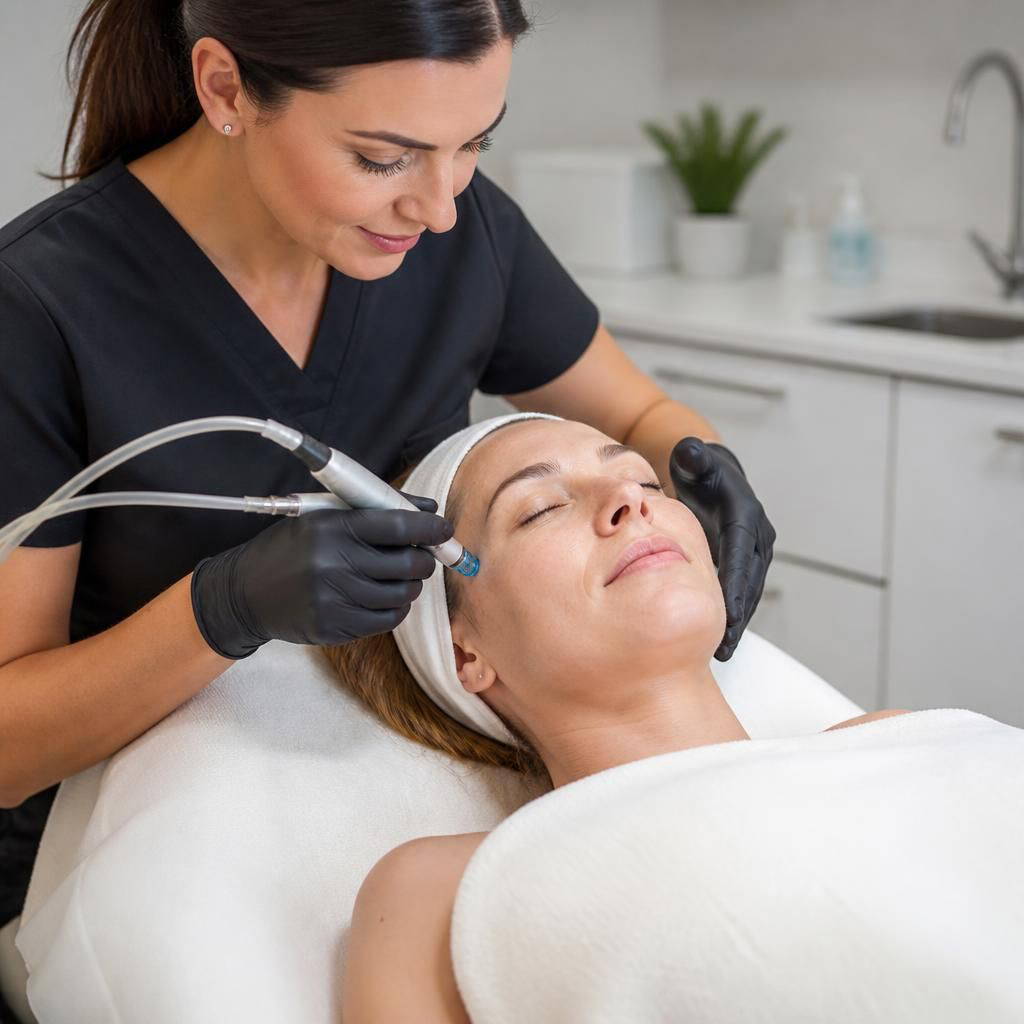
Face resurfacing treatments offer significant benefits, including improved skin texture, reduced appearance of fine lines and wrinkles, and a more even skin tone. These procedures can address various skin concerns, from acne scars to sun damage, providing a refreshed and youthful appearance. The choice of technique will depend on individual skin needs and desired results.
Clients should be prepared for some level of discomfort during the procedure, although most clinics offer options for pain management or anaesthesia to ensure client comfort. The practitioner will discuss these options during the consultation, ensuring you are fully informed and comfortable with the chosen method.
Ultimately, the success of a face resurfacing treatment lies in the combination of professional expertise and client adherence to aftercare instructions. By understanding what to expect and following the recommended guidelines, clients can enjoy the benefits of rejuvenated and vibrant skin.