
Derma rollers and microneedles have gained popularity as tools for enhancing skin texture and appearance. However, their safety and efficacy can vary depending on individual skin types. Generally, these tools are considered safe when used correctly and by trained professionals. Yet, certain skin types may require caution or specific considerations, making it crucial to assess individual skin characteristics before proceeding with treatment.
Understanding Different Skin Types
Skin types are typically classified into categories such as normal, oily, dry, combination, and sensitive. Each type reacts differently to treatments, including microneedling. For instance, individuals with sensitive skin may experience more pronounced irritation or redness post-treatment compared to those with less sensitive skin. Oily skin types might benefit from the treatment’s ability to reduce pore size, while dry skin types could experience increased moisture retention. A thorough understanding of these variations helps in predicting treatment outcomes and ensuring safety.
Potential Risks and Considerations
While derma rollers and microneedles are generally safe, they are not without risks. Potential side effects include temporary redness, irritation, and in some cases, infection if the equipment is not sterilised properly. Individuals with active acne, eczema, or psoriasis should exercise caution as these conditions could be exacerbated by microneedling. Additionally, those with darker skin tones may be at a higher risk of post-inflammatory hyperpigmentation. It is advisable to consult with a skincare professional to weigh the benefits against potential risks.
Ensuring Safe Practice
For optimal safety, it is essential that derma rollers and microneedles are used by trained practitioners. These professionals can tailor the treatment to suit individual skin needs, minimising risks and enhancing efficacy. Proper sterilisation of equipment and adherence to post-treatment care instructions are vital components of a safe microneedling procedure. By maintaining these standards, practitioners can offer effective treatments that cater to a variety of skin types while prioritising safety.
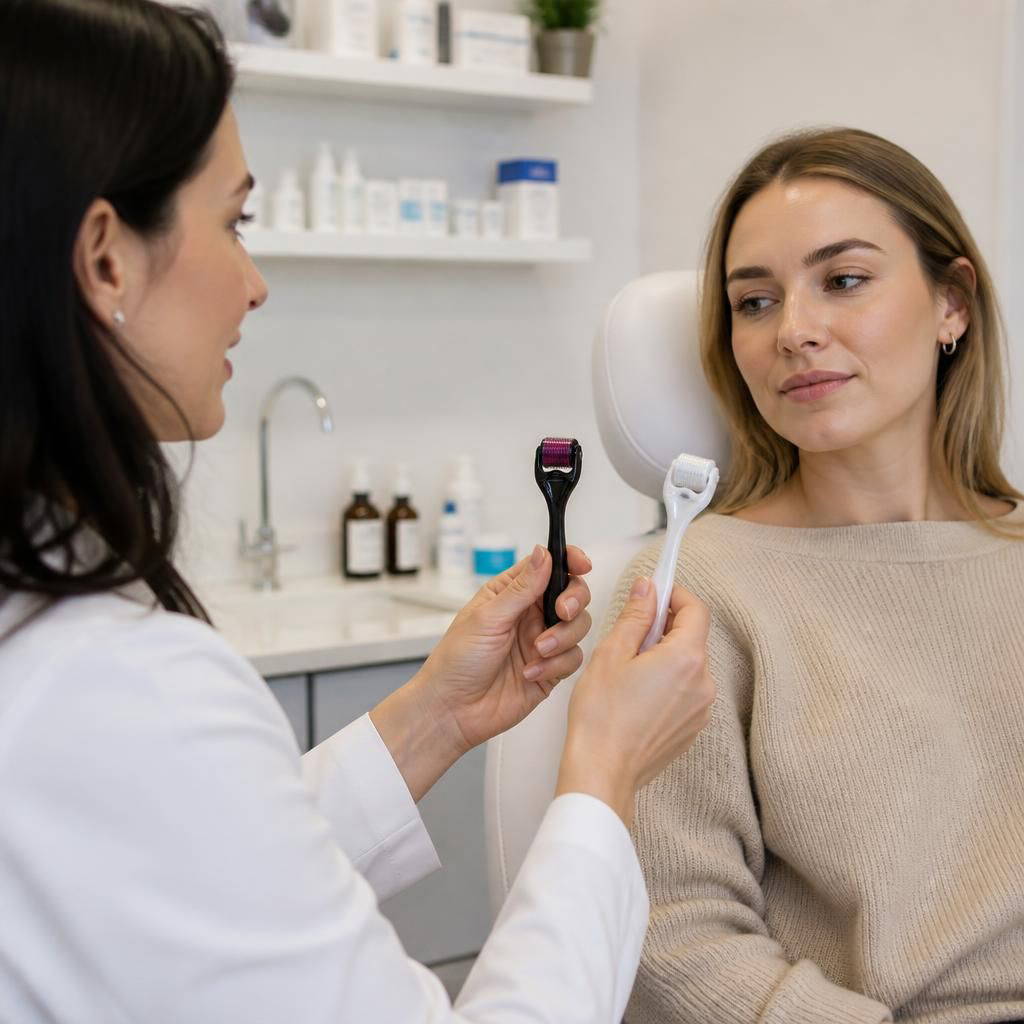
Derma rollers and microneedles are versatile tools that can benefit many skin types when used appropriately. However, the key to their safe application lies in recognising individual variations in skin characteristics and conditions. Consulting with a qualified skincare professional ensures that treatments are tailored to each person’s unique needs, thereby maximising safety and effectiveness.
It is crucial to avoid self-administration without proper knowledge and training, as this can lead to adverse effects. Professionals are equipped to handle the nuances of different skin types and can mitigate risks such as infection or hyperpigmentation. Their expertise is invaluable in achieving desirable outcomes while maintaining the highest safety standards.
The importance of post-treatment care cannot be overstated. Following aftercare instructions diligently can significantly reduce the risk of complications and enhance the overall results. By taking these precautions, individuals can enjoy the benefits of microneedling across various skin types, ensuring both safety and satisfaction.