
Yes, at-home microneedling can potentially aid in reducing the appearance of acne scars. However, it is essential to approach this treatment with caution and proper understanding of the procedure. Microneedling involves creating tiny punctures in the skin to stimulate collagen production, which can help in improving skin texture and reducing scarring. While professional treatments are often recommended for severe cases, at-home microneedling can be a supplementary option for mild to moderate acne scars.
Understanding Microneedling
Microneedling is a cosmetic procedure that involves using a device equipped with fine needles to create controlled skin injuries. This process promotes the skin’s natural healing response, encouraging the production of collagen and elastin. These proteins are crucial for maintaining skin elasticity and firmness, which can improve the appearance of acne scars over time. While professional microneedling is performed by trained practitioners, at-home devices have become increasingly popular for their convenience and cost-effectiveness.
Choosing the Right At-Home Device
When considering at-home microneedling, selecting the appropriate device is crucial. At-home microneedling tools, such as derma rollers or derma pens, typically have shorter needles than professional devices. This is to ensure safety and minimise the risk of damaging the skin. It is important to choose a device with high-quality needles and to follow the manufacturer’s instructions carefully. Additionally, maintaining strict hygiene standards is essential to prevent infection or irritation.
Precautions and Aftercare
Although at-home microneedling can be effective, it requires careful handling to avoid adverse effects. Proper skin preparation and aftercare are vital to maximise the benefits of the treatment. Before starting, cleanse the skin thoroughly and apply a suitable numbing cream if necessary. After microneedling, use a gentle cleanser and apply a hydrating serum or moisturiser to support the healing process. Avoid direct sun exposure and use sunscreen to protect the treated area. Consulting with a skincare specialist before starting at-home microneedling is advisable, especially for individuals with sensitive skin or underlying skin conditions.
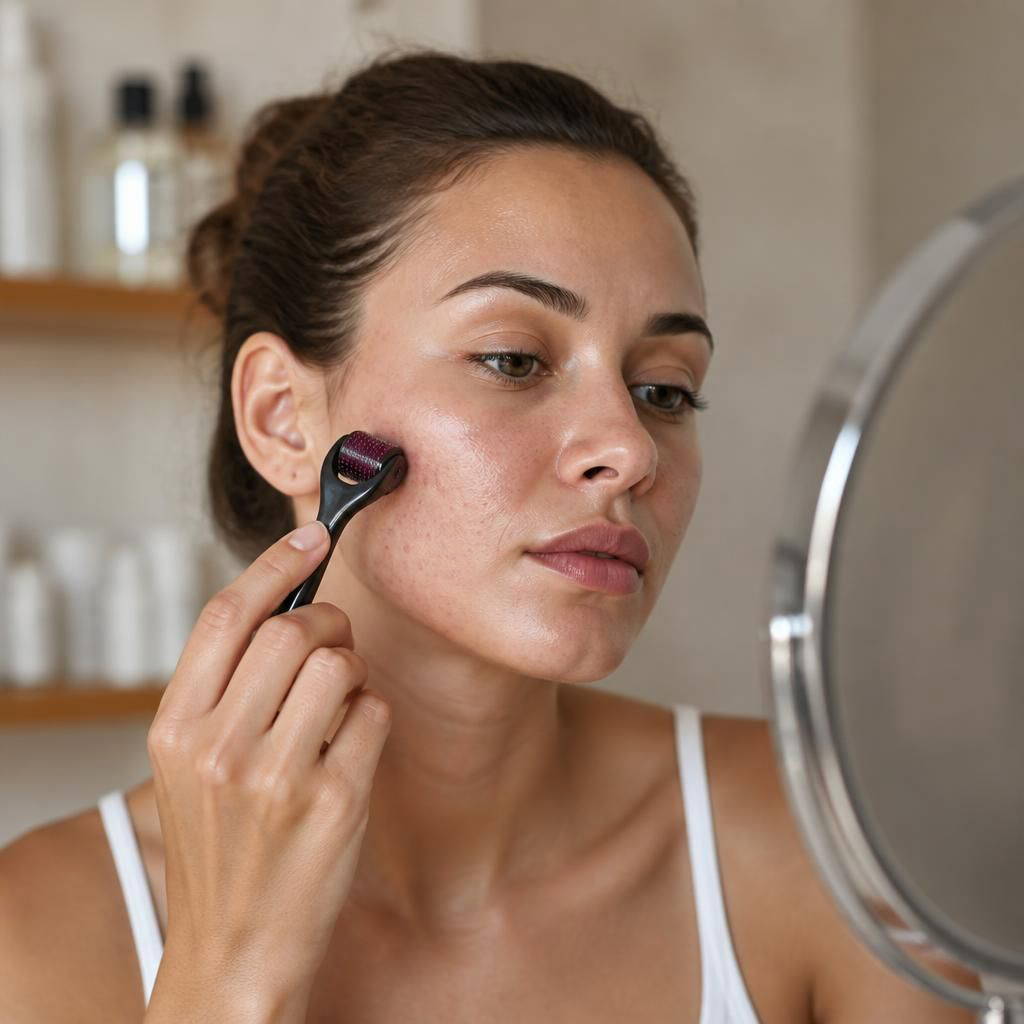
At-home microneedling can be a valuable addition to a skincare routine aimed at reducing acne scars, provided it is done correctly. The main benefit lies in its ability to stimulate collagen production, which is essential for improving skin texture and reducing the visibility of scars. However, it is important to manage expectations, as results may vary depending on the severity of the scarring and individual skin types.
For effective results, consistency is key. Regular sessions, typically spaced a few weeks apart, can gradually improve the skin’s appearance. It is crucial to follow all safety guidelines to minimise the risk of complications. This includes sterilising the device before each use and avoiding aggressive pressure during the procedure.
Ultimately, while at-home microneedling offers a convenient and cost-effective option for treating mild acne scars, severe cases might require professional intervention. Consulting with a dermatologist or skincare expert can provide personalised advice and ensure the treatment aligns with individual skin needs and goals.