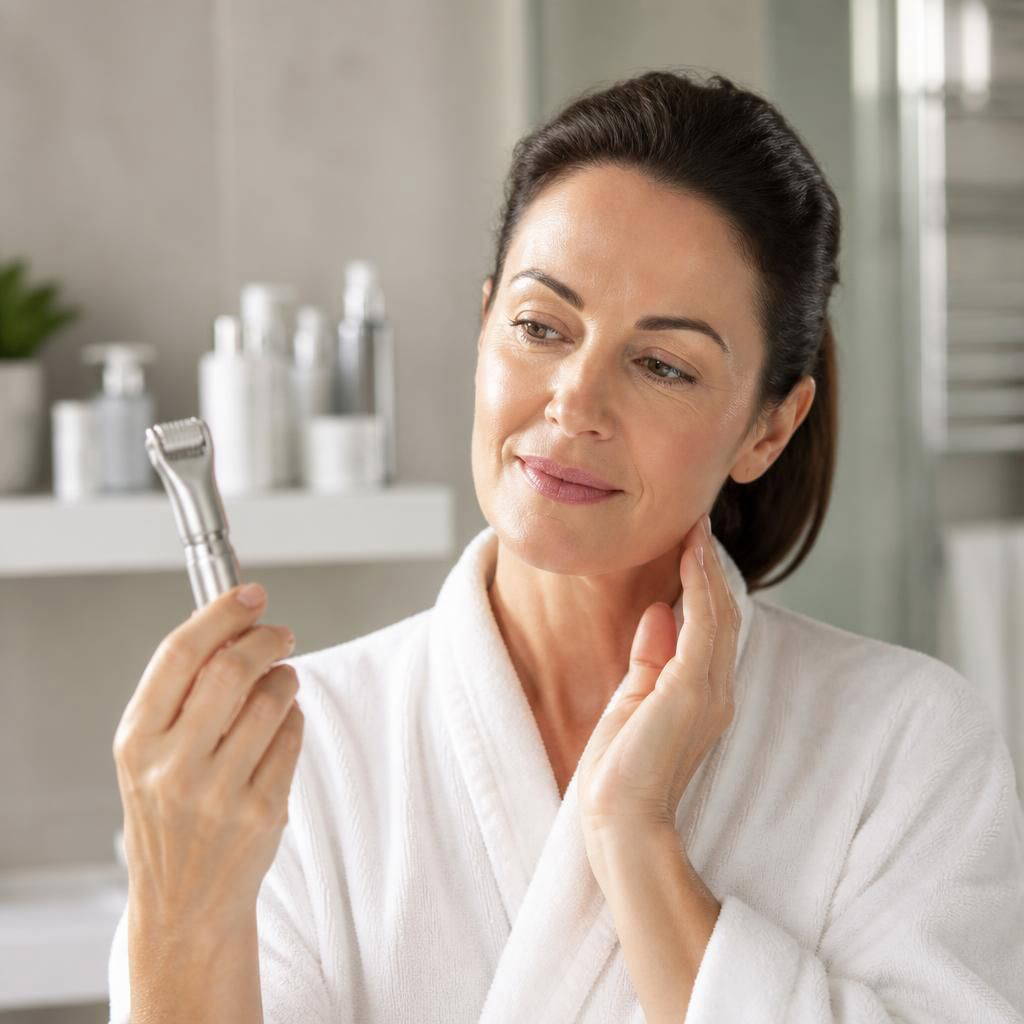

Choosing the right dermastamp microneedling tool for your skin type is essential for achieving optimal results while minimising potential risks. The key factors to consider include needle length, needle density, and the specific concerns you wish to address. By understanding your skin’s unique needs, you can select a dermastamp that targets your concerns effectively, whether it’s acne scars, fine lines, or skin texture improvement.
Understanding Needle Length
Needle length is a critical factor in selecting a dermastamp. Shorter needles, typically ranging from 0.25mm to 0.5mm, are suitable for superficial treatments like enhancing product absorption and improving skin texture. They are ideal for sensitive skin types or for those new to microneedling. Conversely, longer needles, such as 1.0mm to 1.5mm, are better suited for deeper concerns like acne scars or wrinkles. It’s important to choose a needle length that aligns with your skin’s tolerance and the treatment goals you wish to achieve.
Needle Density Considerations
Another vital aspect is the needle density of the dermastamp, which refers to the number of needles per unit area. A higher needle density can provide more coverage and is often recommended for larger treatment areas. For more targeted treatments, such as addressing specific scars or fine lines, a lower needle density might be more appropriate. Understanding your skin concerns and the area you wish to treat will guide you in selecting the correct needle density for your dermastamp.
Addressing Specific Skin Concerns
When choosing a dermastamp, it’s crucial to consider your specific skin concerns. For instance, individuals focusing on acne scars might benefit from a dermastamp with longer needles and moderate density to penetrate deeper layers of the skin. On the other hand, if your primary goal is to improve overall skin texture or reduce the appearance of fine lines, a shorter needle length with higher density could be more effective. Tailoring your dermastamp choice to your unique skin concerns ensures that you optimise the benefits of microneedling while minimising any potential discomfort or adverse effects.
Microneedling with a dermastamp can be an effective way to enhance your skincare regimen, but selecting the right tool is crucial. Begin by assessing your skin type and specific concerns. If you have sensitive skin, opt for shorter needles to minimise irritation. For deeper skin issues, such as acne scars, longer needles may be necessary for more profound results.
Consider the frequency of your treatments as well. Regular but not overly frequent sessions can lead to better outcomes without causing undue stress to your skin. Ensure you follow all aftercare instructions to maintain skin health and maximise the benefits of your microneedling sessions.
Ultimately, matching the dermastamp’s specifications to your skin’s needs will lead to the best results. By considering factors such as needle length and density, as well as your personal skin concerns, you can make an informed decision that enhances your skincare routine.