
Proper maintenance and cleaning of microneedling tools are crucial to ensure their longevity and effectiveness. Regular and thorough cleaning prevents the build-up of bacteria and debris, which can compromise the quality of your treatments and pose health risks. By adhering to a systematic cleaning routine, you can maintain the performance of your tools and safeguard the well-being of your clients.
Why Cleaning is Crucial
Cleaning microneedling tools is not just about prolonging their life; it is essential for maintaining hygiene standards. These tools come into direct contact with skin, which means they can easily accumulate bacteria, dead skin cells, and other contaminants. Without proper cleaning, these substances can lead to infections or adverse skin reactions. Therefore, ensuring that your tools are thoroughly cleaned after each use is a non-negotiable part of any aesthetic practice.
Steps for Proper Cleaning
Begin by rinsing the microneedling tools under warm water to remove any surface debris. Next, soak them in a disinfectant solution specifically designed for medical-grade equipment. Follow the manufacturer’s instructions regarding concentration and soaking time to ensure effective sterilisation. After soaking, rinse the tools thoroughly with distilled water to remove any chemical residues. Allow them to air dry completely on a clean, sterile surface before storing them in a protective case or container.
Storage and Maintenance
Once your microneedling tools are clean and dry, store them in a cool, dry place away from direct sunlight or moisture. Proper storage not only prevents contamination but also protects the tools from physical damage. Regularly inspect your tools for signs of wear and replace any that are damaged or have become blunt. Consistent maintenance and timely replacement of worn tools ensure optimal performance and safety during treatments.
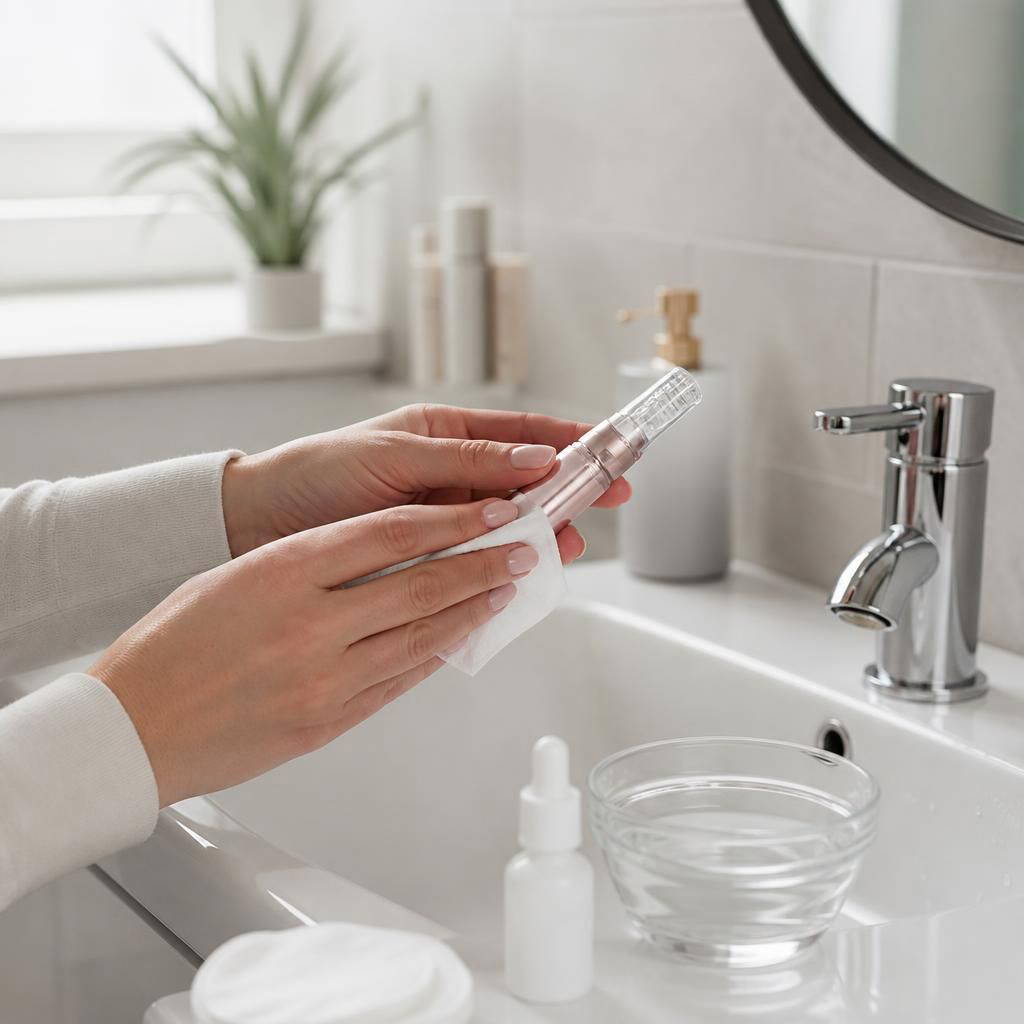
To effectively maintain microneedling tools, establish a routine that incorporates both cleaning and inspection. Consistency is key; ensure that each tool is cleaned immediately after use to prevent the build-up of contaminants. This routine should include rinsing, soaking in a disinfectant, and thorough drying.
In addition to cleaning, regular inspection of the tools is critical. Check for any signs of wear, such as bent or dull needles, which can affect the quality of the treatment and potentially harm the skin. Replacing worn-out tools is essential to maintain the effectiveness of your procedures.
Finally, ensure that your storage solutions are both practical and hygienic. Use protective cases or containers to prevent physical damage and contamination. By following these steps, you can ensure that your microneedling tools remain in optimal condition, providing safe and effective treatments.