
Microneedling is an effective treatment for melasma, a common skin condition characterised by dark, discoloured patches on the skin. It works by creating tiny, controlled injuries to the skin, which stimulates the body’s natural healing processes and promotes the production of collagen and elastin. This can help improve the appearance of melasma by enhancing skin texture and tone, making it a popular choice among individuals seeking to reduce hyperpigmentation.
Understanding Melasma and Its Challenges
Melasma is often triggered by factors such as hormonal changes, sun exposure, and genetic predisposition. The condition primarily affects areas of the skin that are frequently exposed to sunlight, such as the face, and can be difficult to treat due to its persistent nature. Traditional treatments like topical creams and chemical peels may offer limited results, which is why many people turn to microneedling as an alternative approach.
How Microneedling Works
The procedure involves using a device equipped with fine needles to create micro-injuries in the skin’s surface. This process encourages the skin to repair itself, enhancing its overall appearance. The increased production of collagen and elastin helps to reduce the visibility of melasma patches, leading to a more even skin tone. Additionally, microneedling can improve the absorption of topical treatments, further aiding in the reduction of hyperpigmentation.
Expectations and Treatment Costs
Patients considering microneedling for melasma should be aware that multiple sessions are often required to achieve optimal results. The number of sessions needed will depend on the severity of the condition and individual skin response. Treatment prices can vary, typically ranging from £100 to £300 per session in the UK. It is essential to consult with a trained practitioner to determine the most appropriate treatment plan and obtain accurate pricing information.
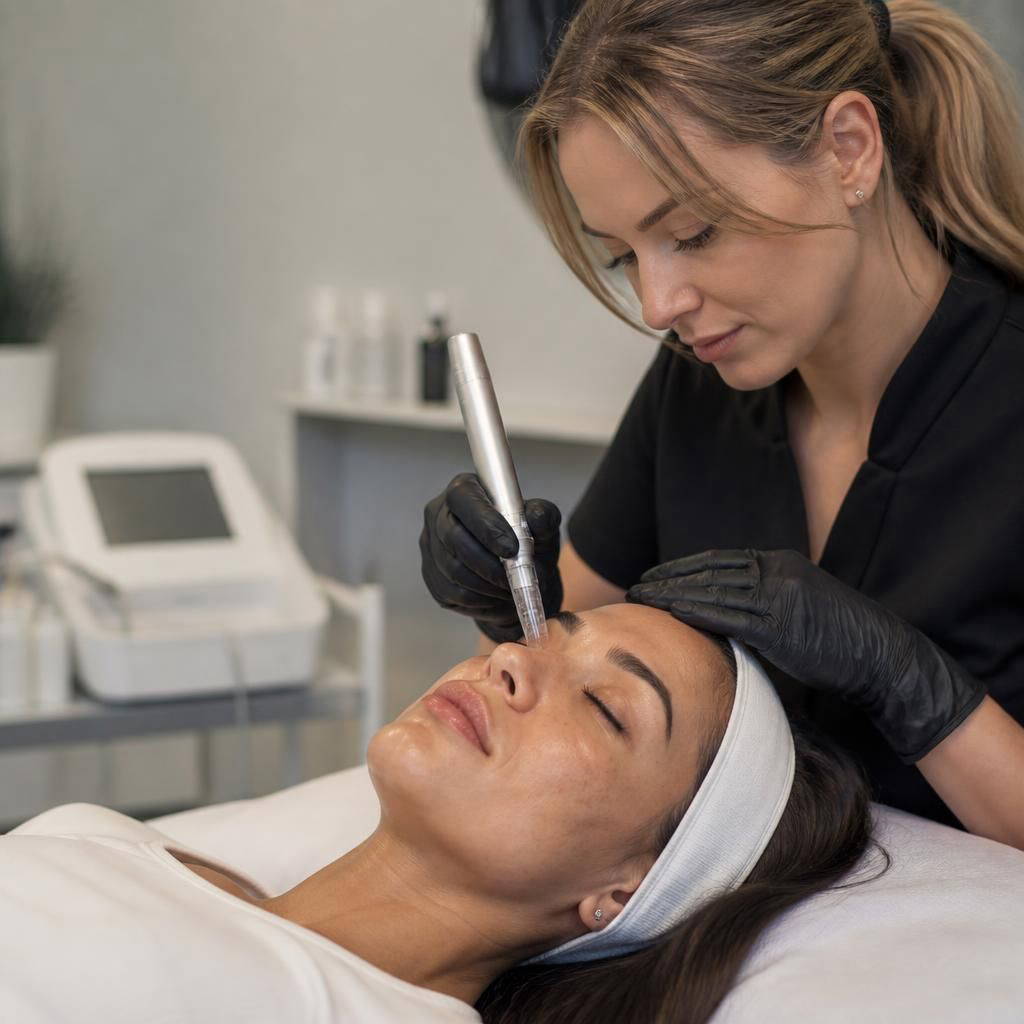
Microneedling offers a promising solution for individuals struggling with melasma by targeting the root cause—uneven pigmentation. The procedure’s ability to rejuvenate the skin and reduce hyperpigmentation makes it an appealing option for those seeking noticeable improvements.
Aside from its effectiveness, microneedling is generally considered safe when performed by qualified professionals. Patients may experience mild redness or swelling following the treatment, but these side effects typically subside within a few days. Consistent aftercare, including the use of sunscreen, is crucial to maintain results and protect the skin from further sun damage.
Ultimately, microneedling can be a valuable addition to a comprehensive skincare regimen for melasma. By consulting with a skilled practitioner, patients can receive personalised advice and treatment plans that cater to their specific needs, ensuring the best possible outcome for their skin concerns.