
When selecting the right 5ml syringe needle for cosmetic procedures, it is crucial to consider factors such as the type of procedure, the viscosity of the product, and the desired precision. The needle’s gauge and length play significant roles in ensuring optimal results and patient comfort. By understanding these elements, practitioners can enhance the effectiveness of treatments while minimising discomfort.
Understanding Needle Gauge and Length
Needle gauge refers to the thickness of the needle, with lower numbers indicating thicker needles. For cosmetic procedures, gauges typically range from 18 to 30. Thicker needles (18-23 gauge) are suitable for viscous substances like certain dermal fillers, as they allow for easier flow. Conversely, thinner needles (25-30 gauge) are ideal for more precise applications or less viscous products, providing greater control and reducing tissue trauma.
Procedure-Specific Considerations
Different cosmetic procedures require specific needle types. For example, mesotherapy and skin booster treatments often utilise 30-gauge needles to deliver small quantities of product into the superficial dermis. In contrast, procedures involving deeper tissue, such as the injection of dermal fillers, may require 27-gauge needles for optimal placement and effectiveness. Understanding the specific requirements of each procedure ensures the best outcome.
Patient Comfort and Safety
Patient comfort and safety are paramount when selecting syringe needles. Thinner needles generally cause less pain and are preferable for patients with needle sensitivity. Additionally, using the correct needle length helps avoid complications such as bruising or accidental intravascular injections. Adhering to best practices and guidelines ensures that procedures are performed safely and effectively, enhancing patient satisfaction.
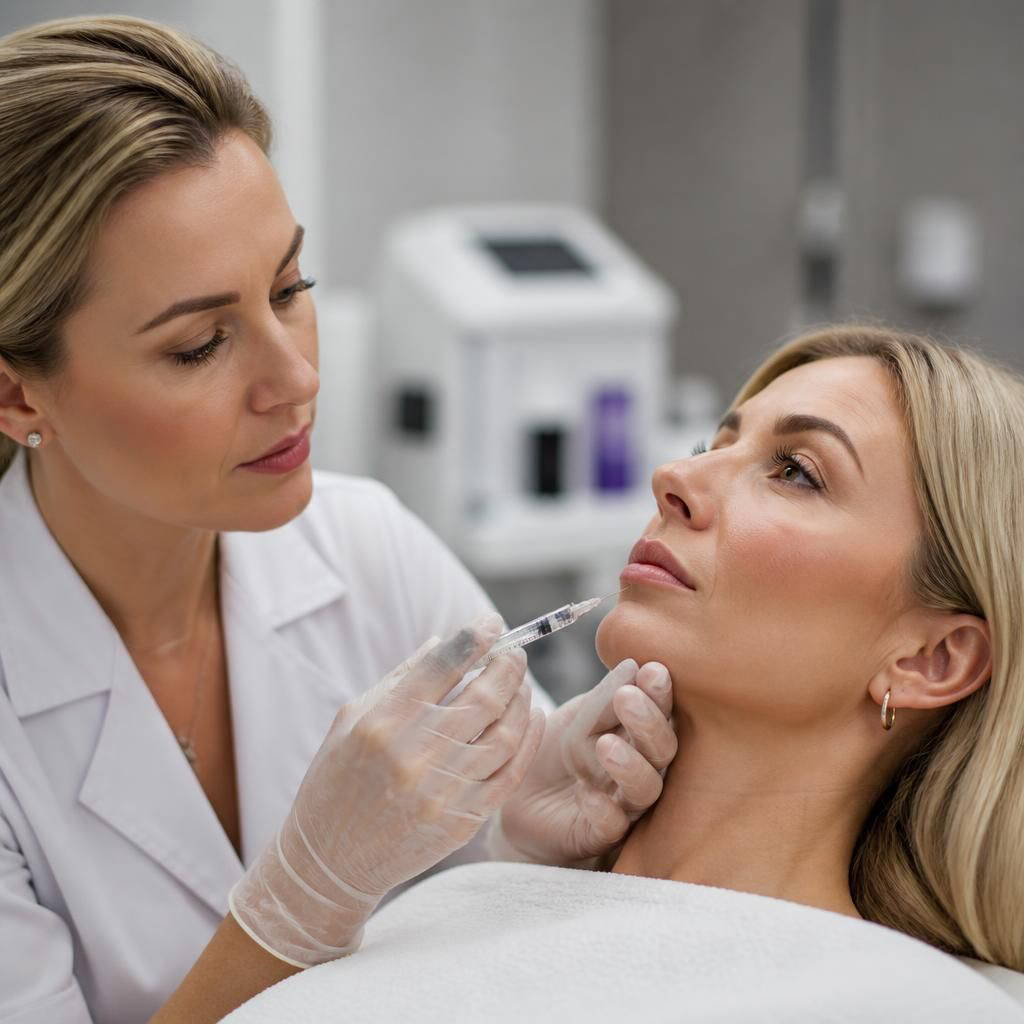
Choosing the right 5ml syringe needle involves balancing several key factors. Firstly, the gauge and length must align with the specific requirements of the procedure. This ensures that the product is delivered efficiently and effectively, minimising discomfort and maximising results.
Secondly, practitioners should consider the viscosity of the substance being injected. Thicker substances may require larger gauge needles to facilitate smooth administration. Conversely, thinner needles are more suitable for less viscous products, allowing for precise application and reducing the risk of tissue damage.
Finally, prioritising patient safety and comfort is crucial. Selecting the appropriate needle size can help minimise pain and potential complications, fostering a positive experience for the patient. By taking these factors into account, practitioners can ensure optimal outcomes for their cosmetic procedures, ultimately enhancing their clinic’s reputation and patient satisfaction.