
The use of 23G and 30G needles in clinical settings offers several benefits, primarily in enhancing the precision and comfort of procedures. These needle sizes are particularly valued for their ability to improve patient outcomes by reducing discomfort and facilitating effective delivery of treatments. Clinics often choose between these gauges depending on the specific requirements of the procedure and the desired level of precision.
Precision and Control
23G and 30G needles provide distinct advantages in terms of precision and control. The 23G needle, being slightly larger, is often used for procedures requiring more substantial product delivery, such as certain types of dermal fillers. Its size allows for a more controlled flow of material, making it ideal for treatments where volume and depth are crucial. Conversely, the 30G needle, with its finer gauge, is preferred for more delicate procedures, where precision and minimal invasiveness are key. This makes it suitable for treatments around sensitive areas, ensuring that the patient experiences minimal discomfort while the practitioner maintains optimal control over the procedure.
Enhanced Patient Comfort
One of the primary concerns in clinical procedures is patient comfort, and the choice of needle can significantly impact this. The 30G needle, due to its smaller diameter, is less likely to cause pain or bruising, which is a significant consideration for patients undergoing aesthetic treatments. Its use can lead to a more pleasant experience, reducing anxiety and increasing the likelihood of patient satisfaction and return visits. On the other hand, the 23G needle, while slightly larger, is designed to deliver treatments efficiently, minimizing the time the needle is in contact with the skin, which also contributes to a more comfortable experience.
Versatility and Application
The versatility of 23G and 30G needles is another factor that makes them a preferred choice in clinics. The 23G needle is versatile enough to be used in a variety of procedures, from administering thicker solutions to performing more substantial interventions. Its robustness ensures that it can handle a range of viscosities, making it a reliable tool in the hands of skilled practitioners. Meanwhile, the 30G needle’s fine gauge makes it perfect for precision work, such as mesotherapy and superficial injections. This adaptability allows clinics to cater to a wide range of treatments, ensuring that they can meet the diverse needs of their clientele.
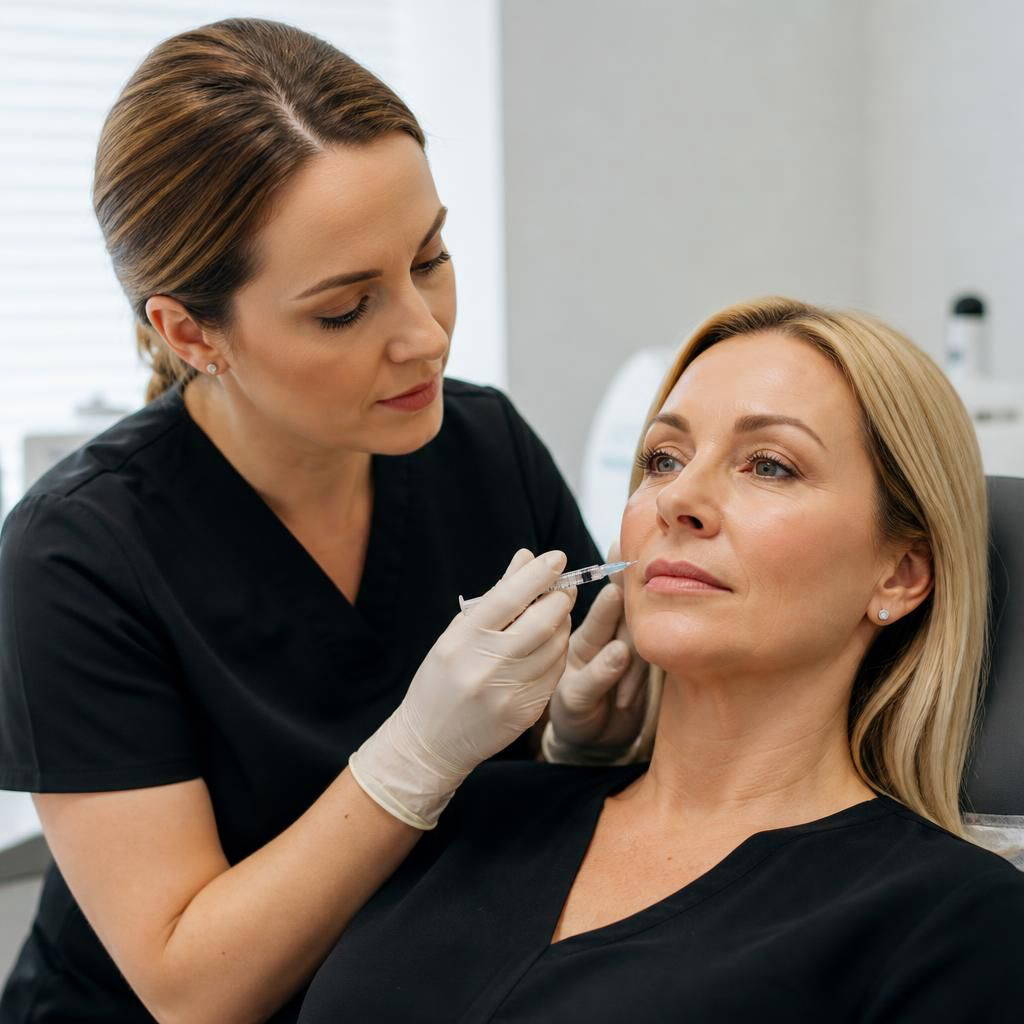
Choosing the correct needle size is crucial for optimal clinical outcomes. The 23G needle is often selected for its ability to handle more viscous solutions, making it indispensable for treatments requiring substantial product delivery. Its size allows for the efficient administration of materials, ensuring that treatments are both effective and swift. This efficiency is particularly valuable in busy clinical settings where time and patient turnover are critical.
On the other hand, the 30G needle’s fine gauge is ideal for procedures requiring high precision and minimal invasiveness. Its use can significantly enhance patient comfort, reducing pain and the risk of bruising, which is essential in aesthetic treatments. This needle size is particularly beneficial for procedures around sensitive facial areas, where precision is paramount.
Ultimately, the choice between 23G and 30G needles depends on the specific clinical requirements and patient needs. Both sizes offer unique benefits that, when used appropriately, can enhance the quality and outcomes of clinical procedures.