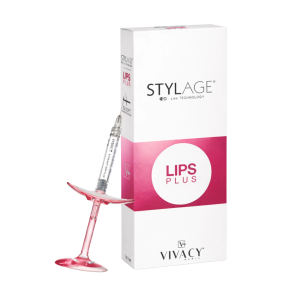

Using a 5ml syringe with a needle in professional settings requires adherence to best practices to ensure safety and precision. These practices involve proper handling, accurate dosing, and maintaining sterility to prevent contamination and ensure effective treatment delivery.
Handling and Preparation
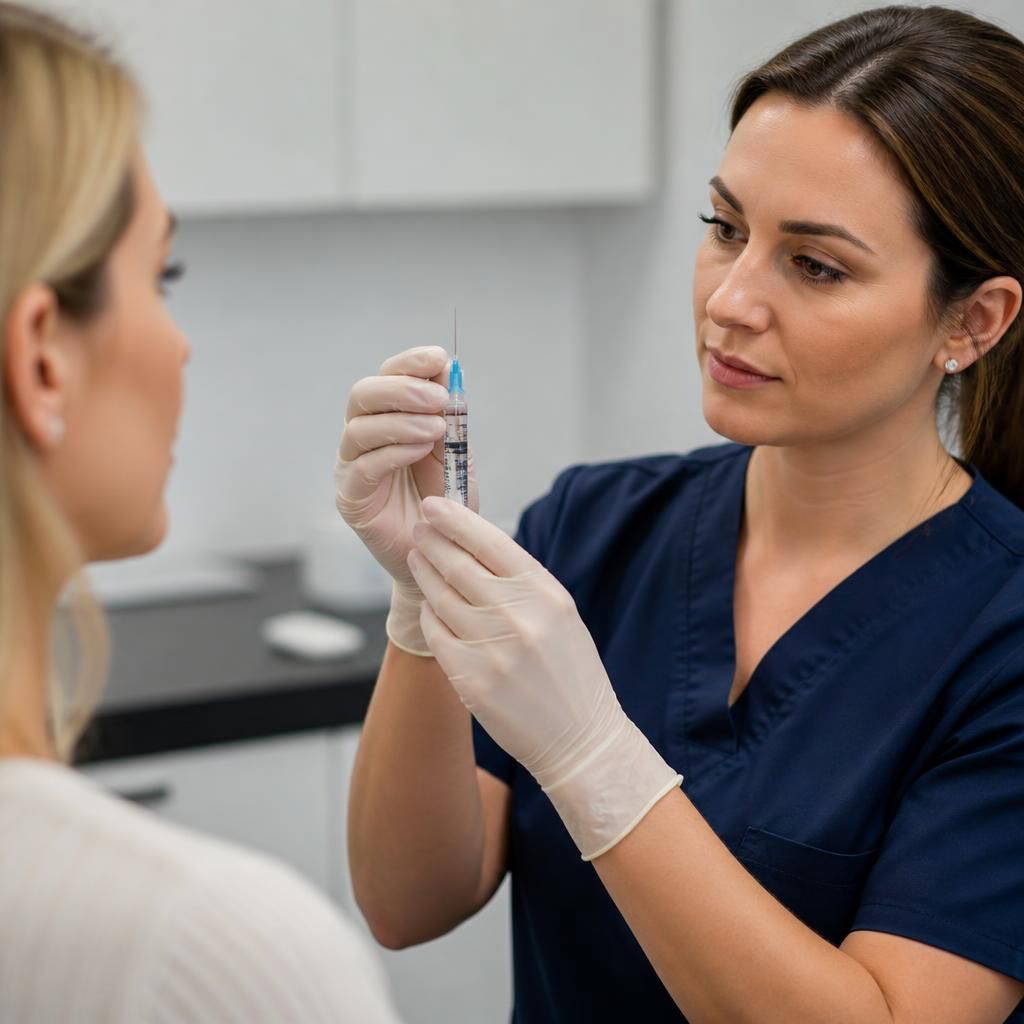
Proper handling and preparation of a 5ml syringe are crucial for maintaining sterility and ensuring accurate dosing. Before use, it’s essential to inspect the syringe and needle for any damage or contamination. Any compromised equipment should be discarded immediately. When preparing the syringe, practitioners should ensure that the needle is securely attached to prevent leakage or accidental dislodgement during use. Drawing up the exact amount of liquid required is critical; this can be achieved by aligning the plunger with the measurement markings on the syringe barrel, ensuring precision in dosing.
Ensuring Sterility
Maintaining a sterile environment is paramount to prevent infections and ensure patient safety. Practitioners should always use gloves and ensure that the injection site is clean. The syringe and needle should be kept sterile until the moment of use. Any contact with non-sterile surfaces requires the equipment to be replaced. After use, the syringe should be disposed of in a sharps container to prevent needle-stick injuries and cross-contamination.
Safety and Compliance
Adhering to safety protocols and compliance regulations is essential for professional settings. This includes following the guidelines set by health authorities for the use and disposal of syringes and needles. Regular training and updates on these protocols should be part of the routine practice in clinics. Additionally, keeping accurate records of the products used, including batch numbers and expiry dates, is vital for traceability and accountability in case of any adverse reactions.
In professional settings, the use of a 5ml syringe with a needle demands precision and adherence to established protocols. Practitioners should be well-versed in the correct techniques for drawing up and administering medications to ensure patient safety and treatment efficacy. This includes understanding the appropriate angles and depths for injections, which can vary depending on the treatment type and patient profile.
Moreover, maintaining a sterile environment is non-negotiable. This involves not only using sterile equipment but also ensuring that the injection site is prepared correctly. Practitioners should also be aware of the potential for needle-stick injuries and take preventative measures, such as using needle-safe devices and proper disposal methods.
Continuous education and training are essential for staying updated with the best practices and evolving guidelines. This ensures that practitioners are equipped with the latest knowledge and techniques, ultimately enhancing patient care and clinic performance.