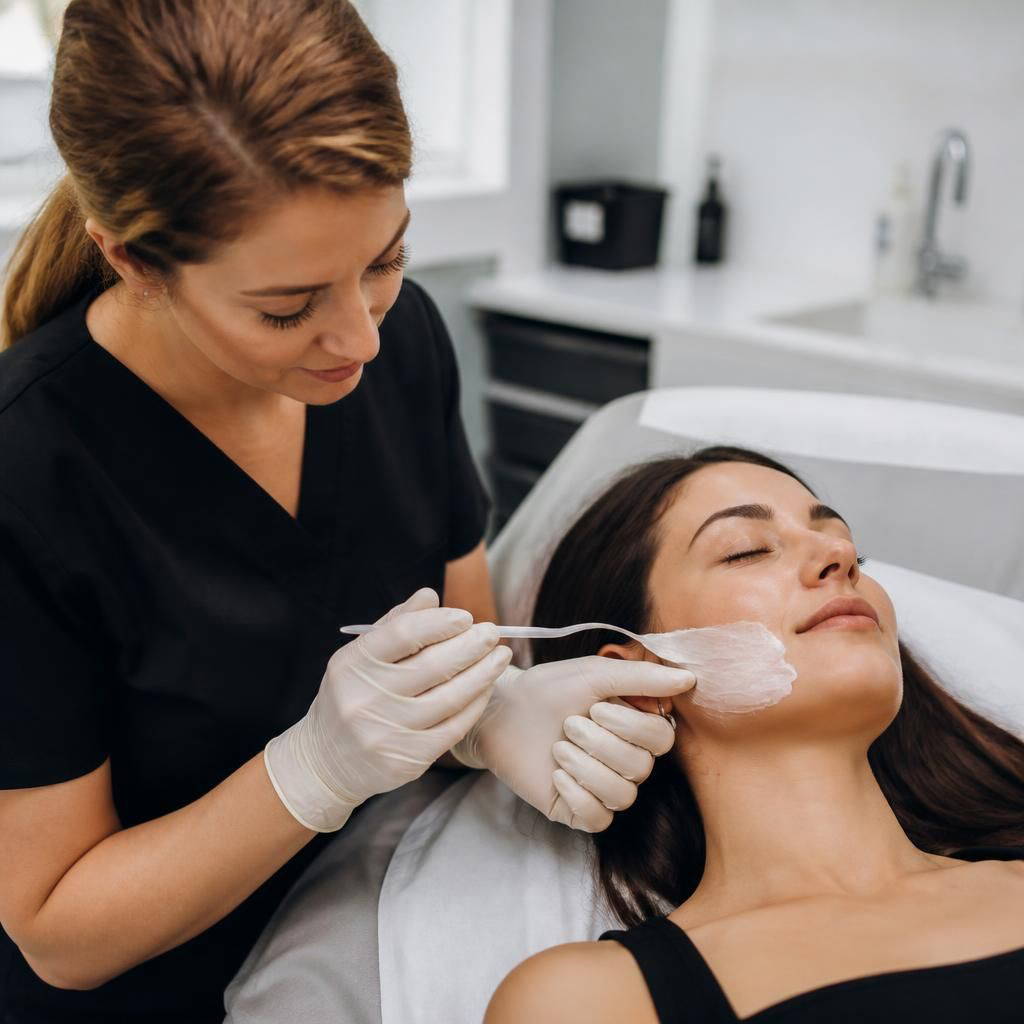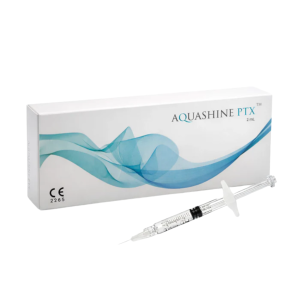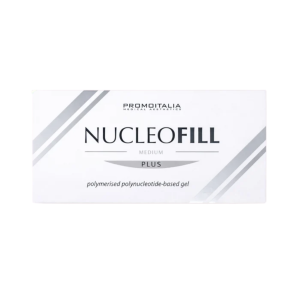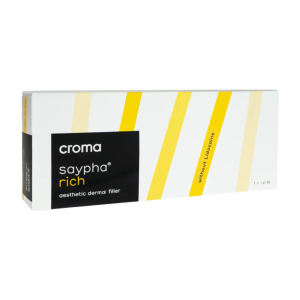

The use of numbing solutions in Polynucleotide treatments is not only recommended but often essential to ensure patient comfort. Polynucleotide treatments, which are known for their rejuvenating effects on the skin, can sometimes cause discomfort during the procedure. To mitigate this, certain numbing solutions have been found to be particularly effective, allowing for a more pleasant experience for the patient.
Understanding Polynucleotide Treatments
Polynucleotide treatments are an innovative approach in the field of aesthetic medicine, focusing on skin regeneration and repair. These treatments utilise nucleotides, which are the building blocks of DNA, to stimulate cell growth and repair damaged tissues. The procedure can involve injections or topical applications, depending on the desired outcome and treatment area. While highly effective, some patients may experience pain or discomfort during the procedure, making the use of numbing solutions a crucial consideration for practitioners.
Types of Numbing Solutions
There are various types of numbing solutions available that can be used in conjunction with Polynucleotide treatments. Topical anaesthetics, such as lidocaine creams, are commonly used due to their efficacy in numbing the skin surface. These creams are applied to the treatment area prior to the procedure, ensuring that the patient experiences minimal discomfort. In some cases, practitioners may also use injectable anaesthetics for deeper numbing effects, particularly in more sensitive areas.
Choosing the Right Solution
When selecting a numbing solution for Polynucleotide treatments, it is important to consider the specific needs of the patient and the nature of the procedure. Factors such as the patient’s pain threshold, the area being treated, and any potential allergies or sensitivities must be taken into account. Practitioners should ensure that the chosen numbing solution is appropriate for the treatment and that it does not interfere with the efficacy of the Polynucleotide application.
Polynucleotide treatments, while beneficial, can cause discomfort, making numbing solutions an integral part of the process. These treatments often involve injections, which can be uncomfortable for some patients. Therefore, using a numbing solution such as a topical anaesthetic cream can significantly enhance patient comfort.
Topical anaesthetics like lidocaine are frequently recommended due to their effectiveness in numbing the skin’s surface. They are easy to apply and can reduce the sensation of pain during the procedure. In certain cases, especially for more sensitive areas, injectable anaesthetics might be used to provide deeper numbing effects, ensuring the patient remains comfortable throughout the treatment.
Ultimately, the choice of numbing solution should be tailored to each patient’s needs, taking into consideration their pain threshold and any allergies. By selecting the appropriate numbing solution, practitioners can ensure a smoother, more comfortable experience for their patients during Polynucleotide treatments.