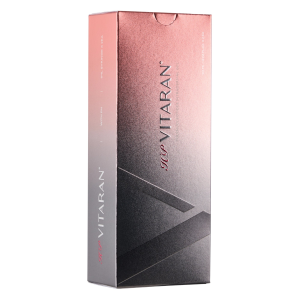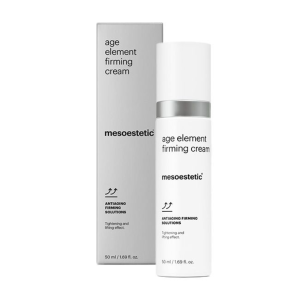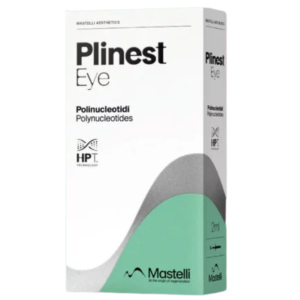

Aftercare for clients who have undergone polynucleotide treatments is crucial to ensure optimal results and client satisfaction. The primary focus should be on hydration, gentle skincare practices, and sun protection. Clients should be advised on maintaining a consistent aftercare routine to aid the healing process and enhance the treatment’s effectiveness.
Hydration and Moisturisation
Post-treatment, the skin may experience dryness or sensitivity. It is essential to encourage clients to maintain high hydration levels by drinking plenty of water and using moisturisers that are free from harsh chemicals. Products containing hyaluronic acid can be particularly beneficial as they help retain moisture in the skin, promoting a more supple and hydrated appearance.
Gentle Skincare Practices
Clients should be instructed to avoid using exfoliants or any abrasive skincare products immediately after polynucleotide treatments. Instead, they should opt for gentle cleansers and avoid rubbing the skin harshly. It is also advisable to avoid applying makeup for at least 24 hours post-treatment to allow the skin to breathe and recover naturally without any potential irritants.
Sun Protection
Protection from the sun is vital following polynucleotide treatments. Clients should be advised to apply a broad-spectrum sunscreen with a high SPF daily, even on cloudy days. This will help prevent any UV-induced skin damage and protect the treatment results. Wearing hats or seeking shade during peak sun hours can also be beneficial in shielding the skin from direct sunlight.
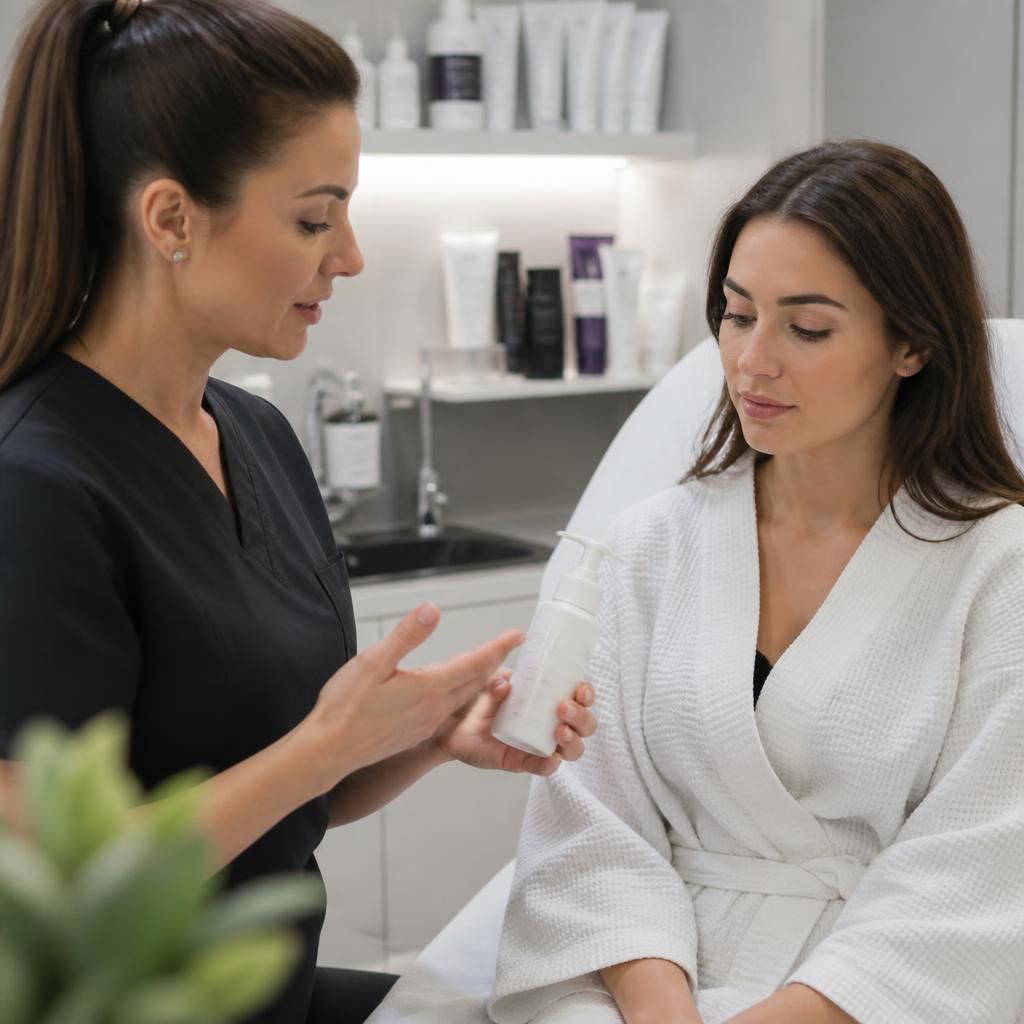
Clients should be reminded of the importance of adhering to the aftercare instructions provided to ensure the best possible outcomes. This includes avoiding strenuous activities that may cause excessive sweating, as this can irritate the treated area. Additionally, they should be discouraged from touching or picking at the skin, which can lead to infection or scarring.
Implementing a follow-up schedule can be an effective way to monitor the client’s progress and address any concerns they may have. Regular check-ins provide an opportunity to reinforce aftercare instructions and make any necessary adjustments to their skincare routine.
Finally, educating clients on the expected stages of recovery and setting realistic expectations can help alleviate anxiety and improve overall satisfaction. By providing comprehensive aftercare guidance, practitioners can foster a trusting relationship with their clients, ensuring they feel supported throughout their post-treatment journey.